STTY Toys
The Global Character Plush Manufacturing Industry: A Comprehensive Analysis
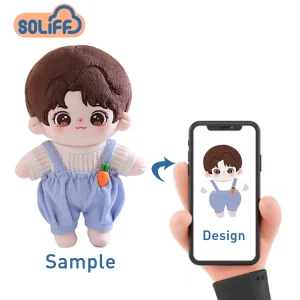
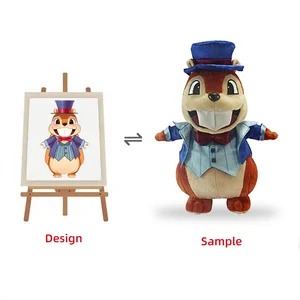
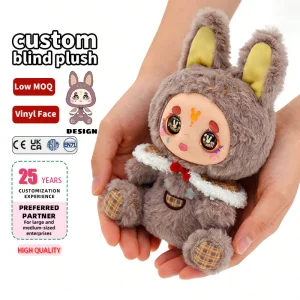
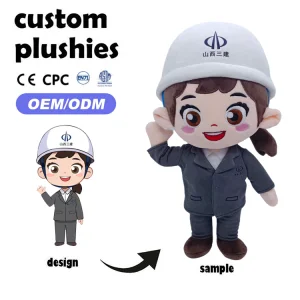
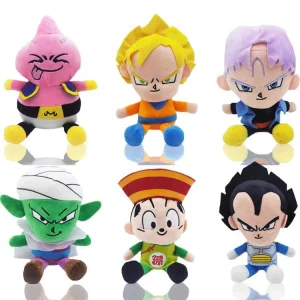
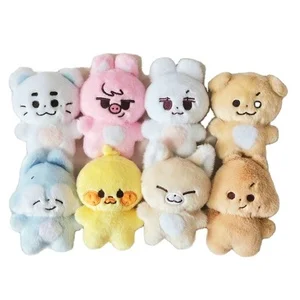
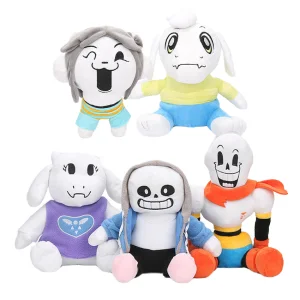
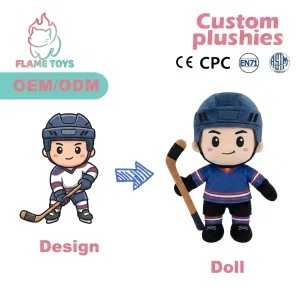
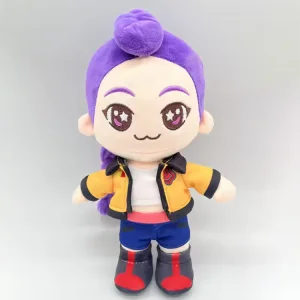
In the contemporary global entertainment, IP licensing, and corporate merchandising sectors, character plush toys have evolved from simple childhood comfort items to sophisticated, high-margin, and high-equity cultural assets. The transformation of a two-dimensional intellectual property—whether originating from gaming franchises, serialized animation, K-pop groups, or brand mascots—into a tactile, physical character plush doll requires an advanced industrial manufacturing setup. This engineering integration process spans high-fidelity design synthesis, advanced polymer and fabric technology, and strict compliance paradigms.
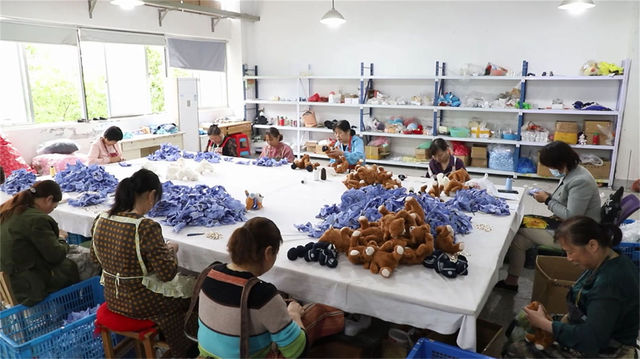
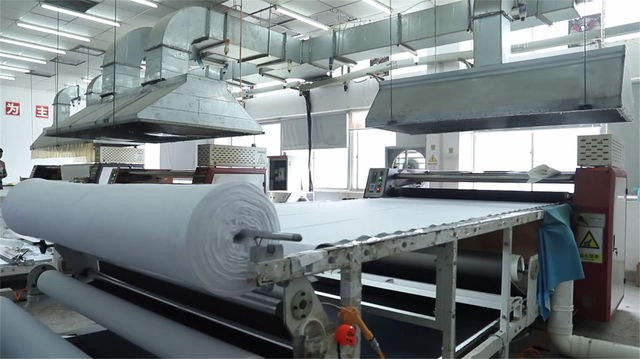
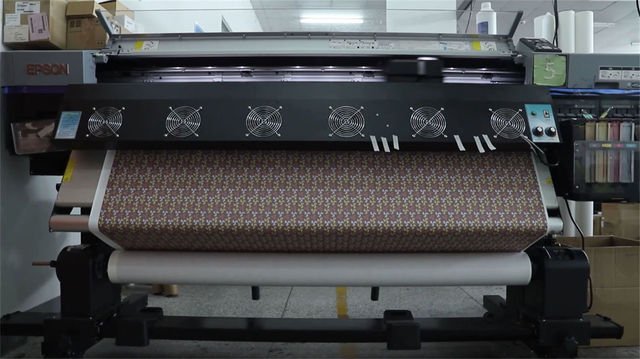
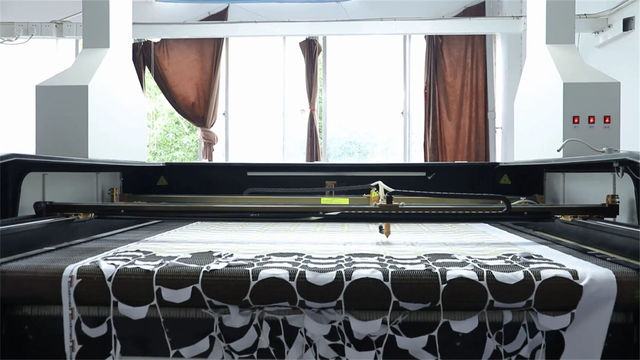
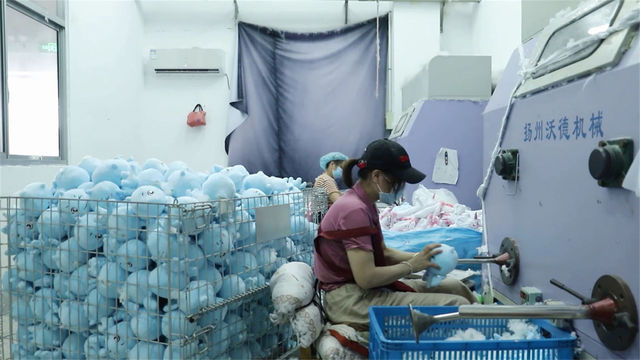
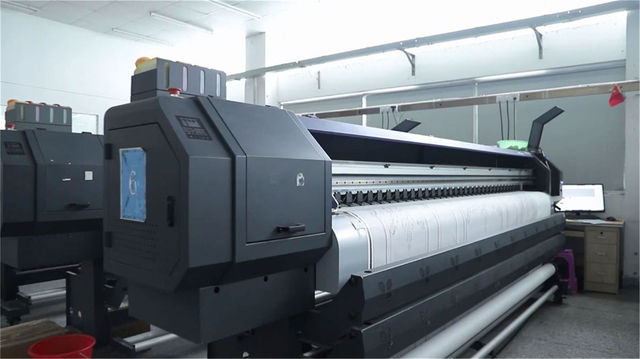
Today's supply chain for character plush toy fabrication has centralized in advanced technological clusters, notably within Dongguan, China. This centralization leverages raw-material sourcing flexibility, high-precision computerized textile processing machinery, and a highly specialized labor force capable of execution in hand-sewing, internal armature engineering, and complex fabric embroidery.
Geometric Fidelity challenges
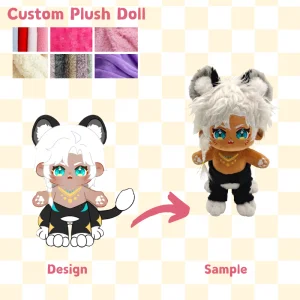
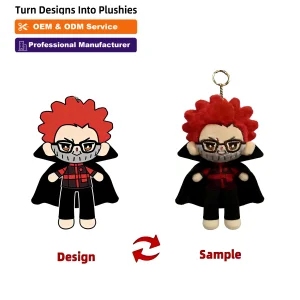
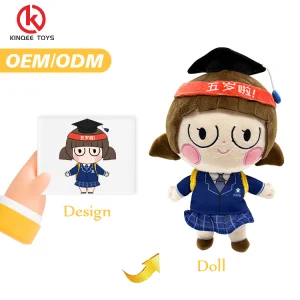
Translating 2D character sheets into three-dimensional soft structural hulls. Requires advanced pattern digitization and volumetric sizing techniques.
Strict Material Compliance
Managing standard physical and chemical metrics to pass domestic and international toy regulations (ASTM F963, EN71, CPSIA) without losing tactile comfort.
Scale Customization Logistics
Balancing high volume industrial runs with small-batch boutique character drops, requiring flexible manufacturing setups (FMS) in core production lines.