Analyzing the paradigm shift from traditional playthings to high-value emotional assets, brand anchors, and "kidult" collectibles.
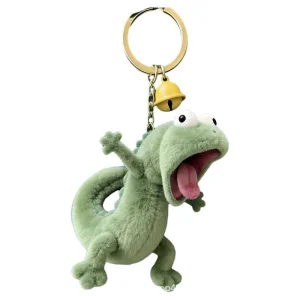
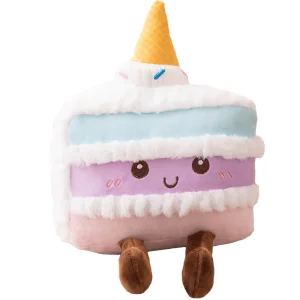
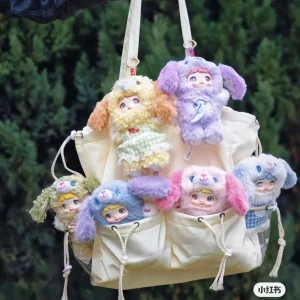
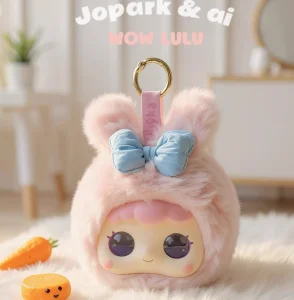
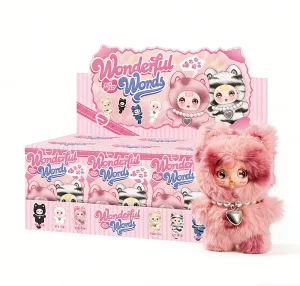
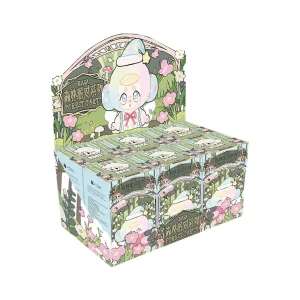
The global plush toy market is undergoing a significant structural transformation. Once considered exclusive to early childhood development, plush products—particularly those designed with the Japanese-influenced "Kawaii" (cute) aesthetic—have captured the high-spending adult demographic. This "kidult" phenomenon is no longer a niche subculture; it is a primary driver of industry growth. Market intelligence reports suggest that consumers aged 18 to 35 now account for over 35% of global plush sales. This demographic seeks comfort, stress-relief, and emotional resonance in soft toys, propelling custom characters, blind boxes, and anime-themed designs into mainstream high-margin retail channels.
From a commercial perspective, Kawaii plush toys represent a massive vector for brand monetization and customer retention. Major e-commerce aggregators, lifestyle boutiques, corporate conglomerates, and theme parks rely on high-fidelity custom plushies to establish tangible physical connections with their audiences. Whether it is a brand mascot, a viral social media icon, or a specialized interactive companion, plush products serve as tactile ambassadors of brand identity. Consequently, purchasing directors and retail developers are shifting away from off-the-shelf catalog items in favor of highly customized, premium-tier OEM/ODM solutions that offer a competitive edge in design and quality.
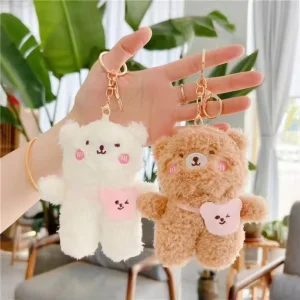
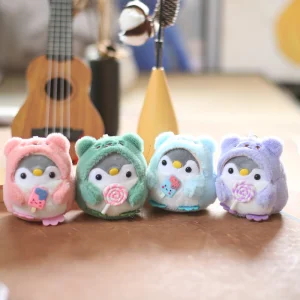
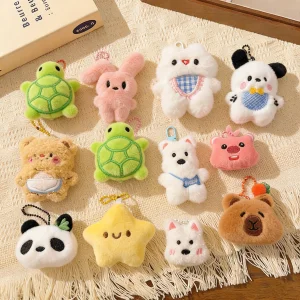
Kawaii design principles leverage specific proportions—oversized heads, large eyes, and minimal facial features—to trigger nurturing instincts and emotional attachment. Successful B2B sourcing translates this aesthetic directly into higher conversion rates and retail premiums.
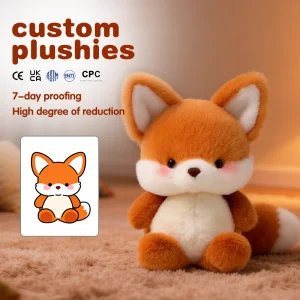
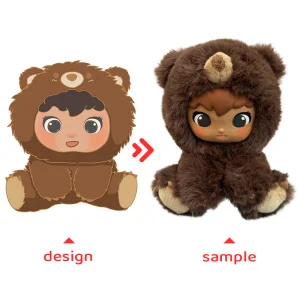
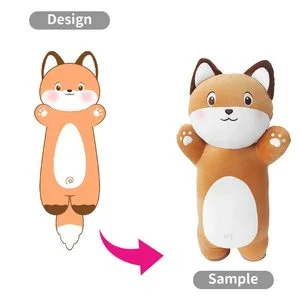
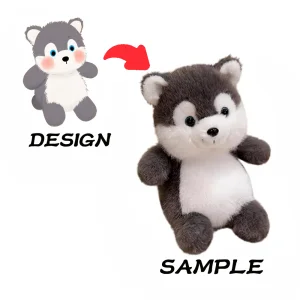
Intellectual Property (IP) owners rely heavily on high-quality plush physicalizations to capture high margins. Precision replication of 2D concept art into a 3D plush format is the cornerstone of profitable modern toy merchandising.
Corporate procurement demands absolute clarity: compliance with domestic safety regulations, supply chain transparency, competitive unit pricing at minimum order quantities, and reliable logistics timelines.
Discover how the integration of smart manufacturing, CAD-optimized layouts, and strict quality control keeps Chinese suppliers ahead of global competition.
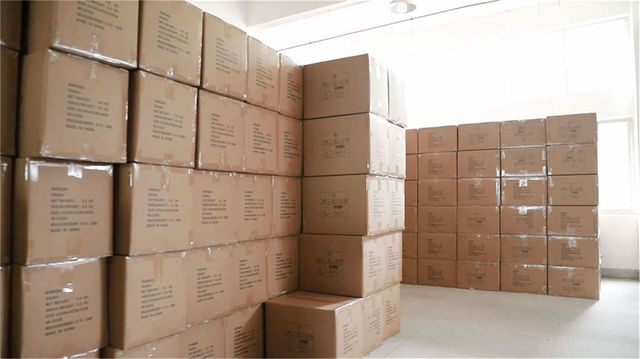
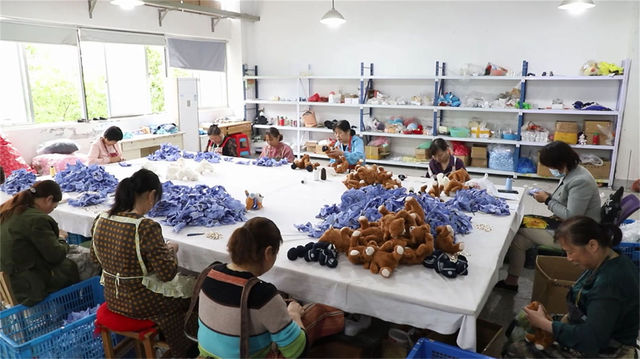
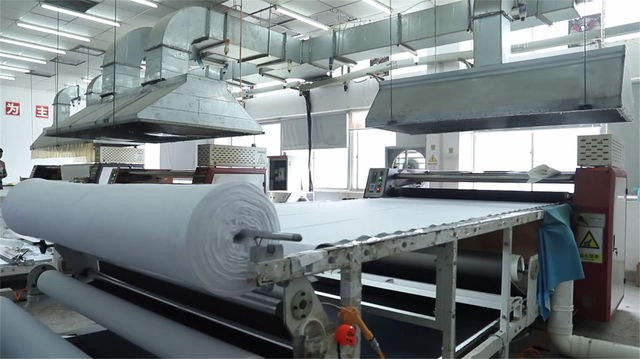
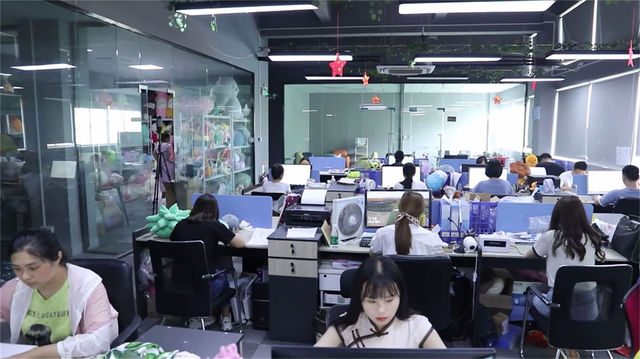
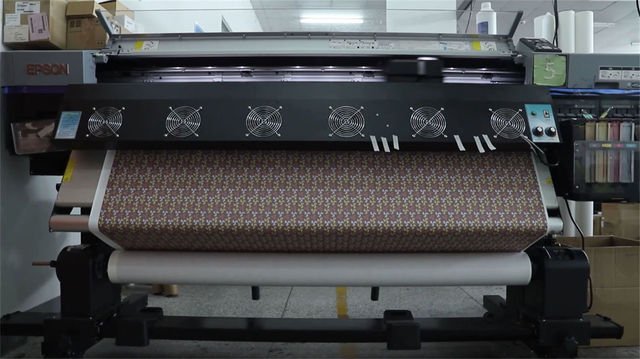
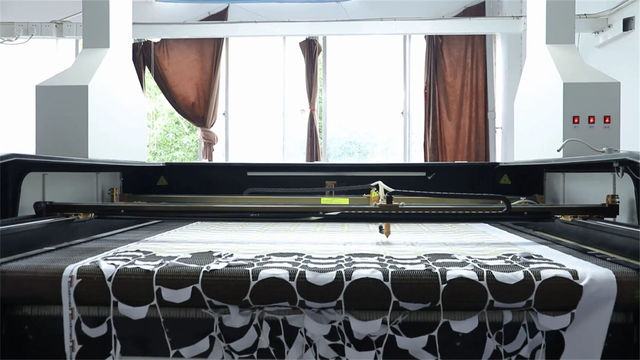
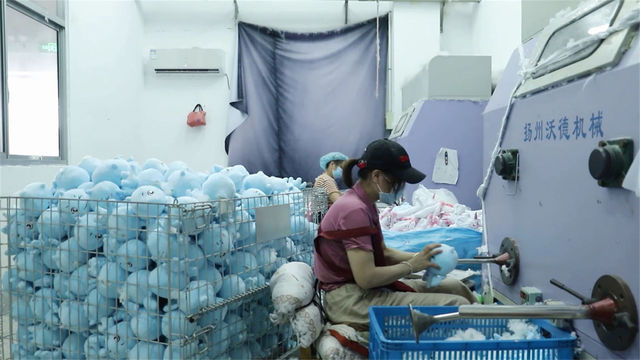
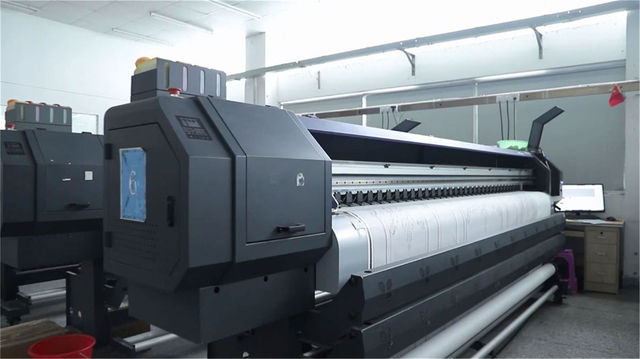
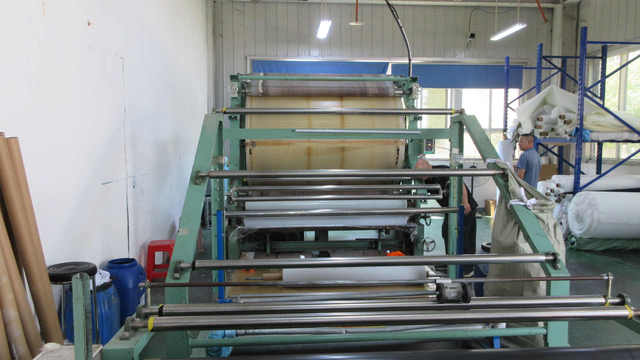
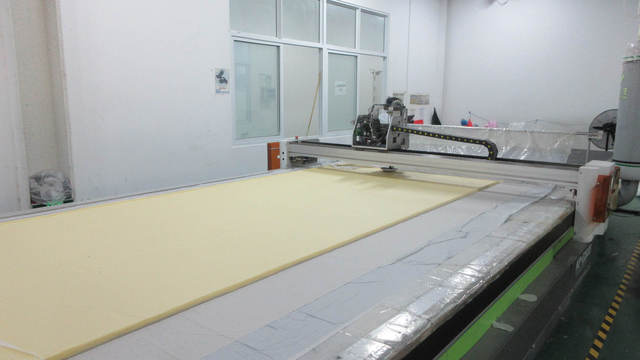
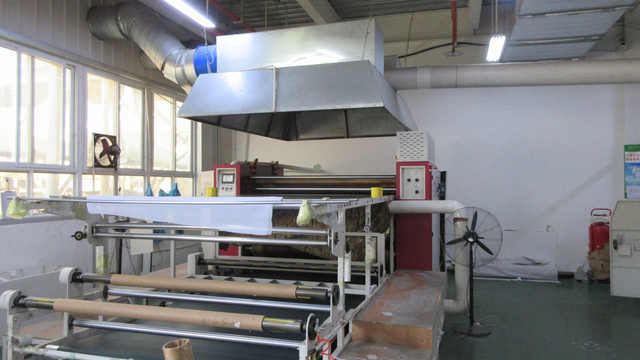
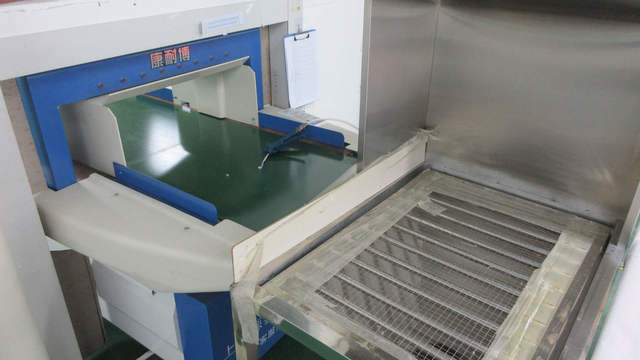
The modern plush manufacturing cluster in China, particularly in Dongguan, has evolved far beyond basic manual assembly. Today, it operates as a sophisticated ecosystem powered by **Factory 4.0 methodologies**. Lead times have been compressed from months to weeks, and raw material waste has been reduced through advanced optimization. Dongguan STTY Toys Co., Ltd. is at the forefront of this industrial transformation. By merging traditional artisan craftsmanship with automated industrial systems, the company offers unparalleled design translation accuracy, fast prototyping, and massive scale adaptability.
Key technological integrations that define China's modern plush toy factories include:
Moreover, the industrial concentration in Guangdong ensures a resilient supply network. Sourcing accessories like custom zippers, electronic components, rattle boxes, poly-fill variants, and sustainable packaging takes hours rather than days. This complete local ecosystem enables factories to handle unexpected material shortages or spikes in consumer demand, making Chinese suppliers a reliable partner for global businesses.
A deep B2B analysis of fabrics, stuffing materials, chemical criteria, and international toy safety norms.
For B2B buyers sourcing plush products globally, safety and raw material quality are paramount. Compliance failures can lead to product recalls, legal liability, and brand damage. Understanding the materials and testing standards is critical to establishing a reliable supply chain.
The aesthetic appeal and longevity of a Kawaii plush toy depend on its exterior shell. Major categories used by premium manufacturers include:
A toy's tactile feedback is determined by its stuffing. Factories utilize premium **3D hollow conjugated siliconized polyester fiber (PP cotton)**, which offers high loft and compression recovery. For specialized applications, weighted glass beads or PE pellets are added to the lower section to provide stability and a premium hand-feel.
| Material Category | Technical Characteristics | Best Application Scenario | Safety Certifications Required |
|---|---|---|---|
| Crystal Velour | Short-pile, 100% polyester, highly printable, non-allergenic | Chibi character dolls, embroidered details | EN71-3, ASTM F963, REACH |
| Minky / PV Fleece | Medium to long pile, high elasticity, ultra-soft texture | Animal toys, cushions, comfort blankets | OEKO-TEX Standard 100 |
| Sustainable RPET | Eco-friendly, recycled source, slightly higher tensile stiffness | Green-themed brands, eco-focused promotions | Global Recycled Standard (GRS) |
| Weighted PE Pellets | High density, non-toxic, hermetically sealed | Beanie-style toys, desktop collectible bases | FDA Food-Grade Certification |
To access major global markets, plush toys must pass strict safety testing. B2B buyers must verify that their factory partner implements testing aligned with international standards:
Exploring the convergence of physical comfort and interactive technology, including voice processing, IoT, and mechanical movements.
The integration of technology into plush toys represents a major shift in the industry. Consumers are seeking more than passive decoration; they want responsive companions. By embedding sensory arrays, sound synthesis microchips, and interactive components, modern manufacturers are bridging the gap between hardware engineering and plush assembly.
Products like the AI Owl Mirumi Furry Robot Pet and AI Emotional Eye Smart Plush Toy showcase these capabilities. These advanced items combine standard plush fabrication with smart elements:
Successfully integrating these components requires a manufacturer with expertise in both fabric design and electronics assembly. The production process must shield electronic modules from static damage and ensure that battery compartments are secure, accessible, and compliant with toy safety directives like the Toy Safety Directive 2009/48/EC.
How customized plush products support retail lines, IP merchandise, corporate promotions, and hospitality campaigns.
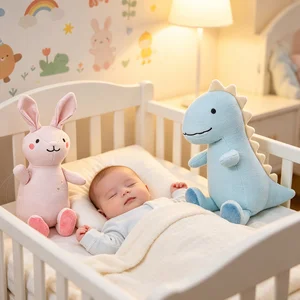
Custom plush products serve a wide variety of commercial functions. Successful procurement requires tailoring the product design to its specific application scenario:
Dongguan STTY Toys Co., Ltd. provides end-to-end support for these diverse scenarios, guiding buyers from initial sketches and prototyping through to regulatory testing and final shipping, ensuring a smooth B2B procurement experience.
Direct, actionable answers to key questions asked by purchasing directors and import managers.
Partner with Dongguan STTY Toys for industry-compliant manufacturing, expert design services, and robust global logistics. Get in touch with our design and development team to receive a detailed quote.
Submit Sourcing RFP STTY Toys