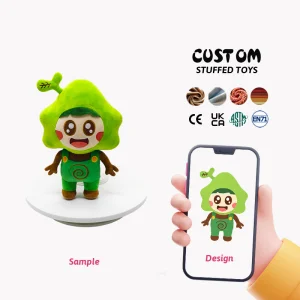
Explore our highly customized, safety-certified plush models manufactured using eco-friendly materials and advanced embroidery techniques.
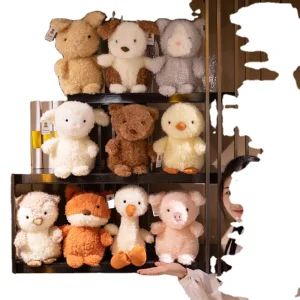
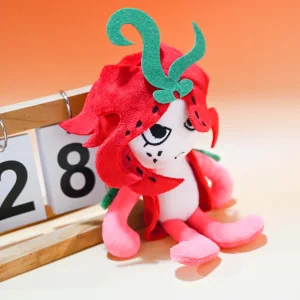
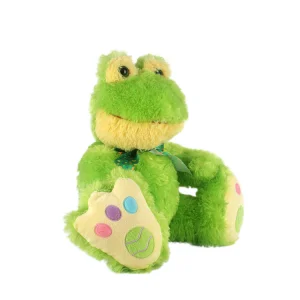
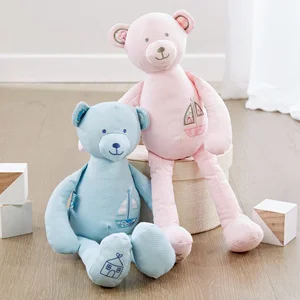
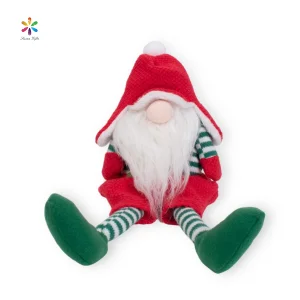
The global soft toy market is undergoing a structural transition from low-margin, simple playthings to high-value, emotionally interactive, and brand-building collector items. In 2024, semantic search trends and user intent signals monitored by search engines indicate that modern B2B buyers—ranging from retail brands, global toy distributors, IP holders, amusement parks, to corporate entities—are no longer searching simply for "cheap stuffed animals." Instead, query syntax has shifted towards "custom character plushies," "eco-friendly soft toys," and "OEM mascot development." This evolution highlights a deeper user intent: the quest for distinctiveness, brand alignment, and verified product safety.
Statistically, the global plush toy market is estimated to reach over USD 15 Billion by 2030, registering a compounding annual growth rate (CAGR) of over 6.5%. The driver of this demand is not just traditional children's toys, but the astronomical rise of "kidults"—adult buyers seeking nostalgia, stress relief, and aesthetic room decor. Moreover, licensing and IP merchandising (such as movie characters, anime franchises, and digital mascots) represent the fastest-growing sub-segment. For enterprises, securing a reliable, highly skilled custom plush manufacturer is a vital prerequisite for scaling their physical marketing assets or retail pipelines.
Information Gain Insight: The modern B2B buyer prioritizes "Material Tracing" and "Safety Conformity Documentation" over base pricing. E-commerce platforms and physical retailers cannot risk custom clearance holds or brand-damaging recalls due to chemical or physical safety violations.
Dongguan and the wider Guangdong manufacturing cluster serve as the primary locomotive for the global plush toy industry. The regional concentration of raw material fabric mills, automated cutting machinery, embroidery studios, and experienced sewing artisans creates an ecosystem that cannot be easily replicated in lower-cost markets. While some basic sewing assemblies have shifted to Southeast Asia, premium, complex, and highly customized plush designs still rely heavily on China's integrated supply chain for several structural reasons:
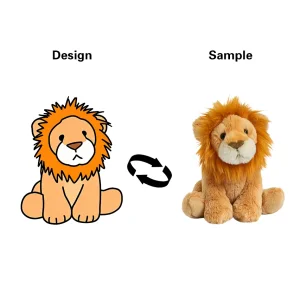
Translating 2D character concept art into 3D stuffed structures requires a high level of spatial engineering. Master pattern designers in Dongguan can turn a conceptual sketch into a physical sample in as little as 3 to 7 days, a speed unattainable elsewhere.
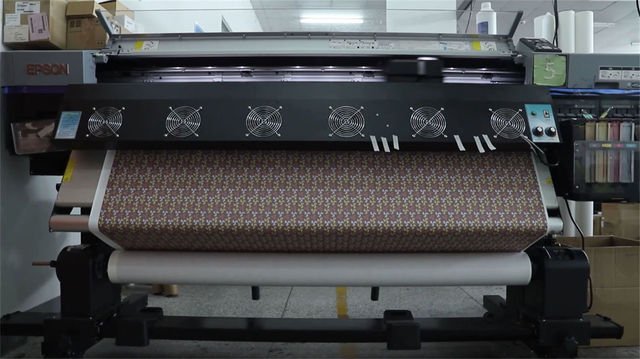
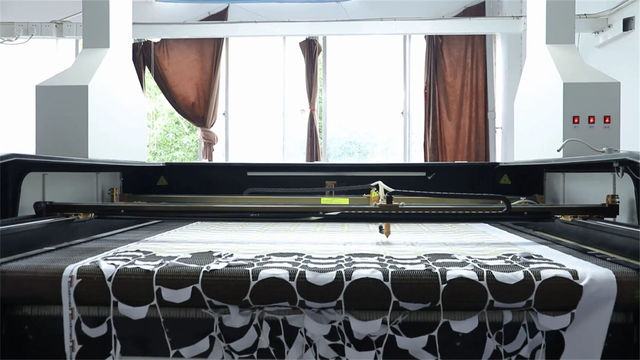
China-based plants utilize automated laser fabric cutters, multi-head computer embroidery machines, and ultrasonic testing equipment. This level of technical automation guarantees that stitching details, facial embroidery, and size dimensions remain identical across millions of units.
Whether you require standard PP cotton, premium hypoallergenic fibers, memory foams, super soft crystal velboa, PV fleece, or eco-friendly GRS-certified recycled polyester, the Chinese material markets offer immediate, cost-competitive access to these specialty fabrics.
For brands and corporations looking to launch a bespoke plush toy, understanding the engineering lifecycle from drawing to retail shelf is crucial. Dongguan STTY Toys Co., Ltd. has optimized this workflow to ensure transparency, quality control, and rapid time-to-market:
The client provides design files, which can range from high-fidelity 3D modeling files (OBJ/STP) to basic hand-drawn 2D illustrations. Our engineering team analyzes the proportions, identifies critical sewing points, and creates a flat-pattern template using specialized CAD software. This step determines the overall shape, curves, and posture of the final plush doll.
Based on the end-user age group and intended retail price, we select the optimal fabric weight, pile height, and stretch characteristics. For instance, high-end collector items use high-density, low-pile short plush to keep the facial embroidery clean and prevent distortion, while baby toys require organic, un-dyed, or certified hypoallergenic cotton fabrics.
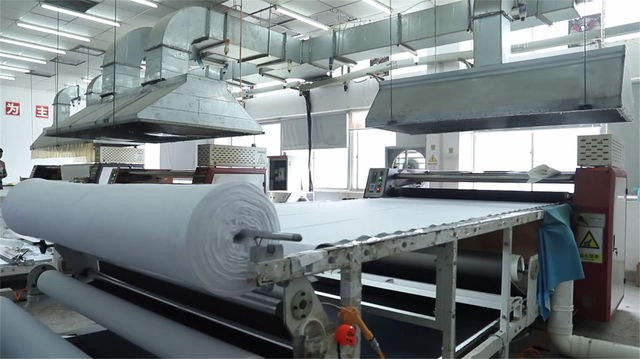
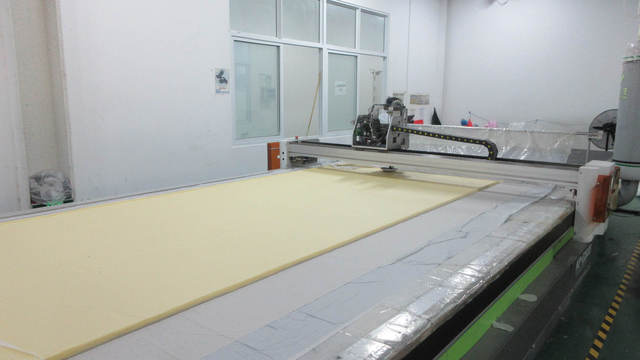
Instead of manual cutting which can introduce deviations of up to 10mm, STTY Toys uses laser cutting tables with precision to within 0.5mm. Facial expressions, logos, and intricate designs are handled by high-speed computerized embroidery machines, ensuring that every doll's facial proportions are mathematically identical.
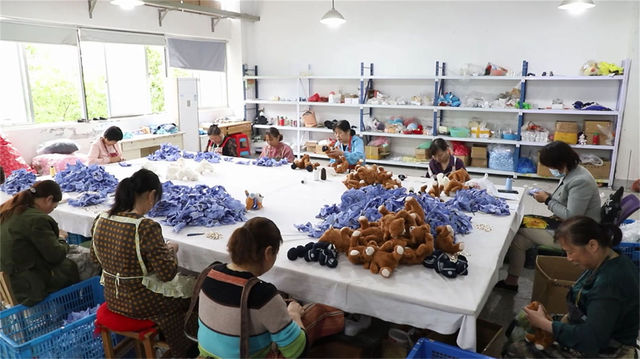
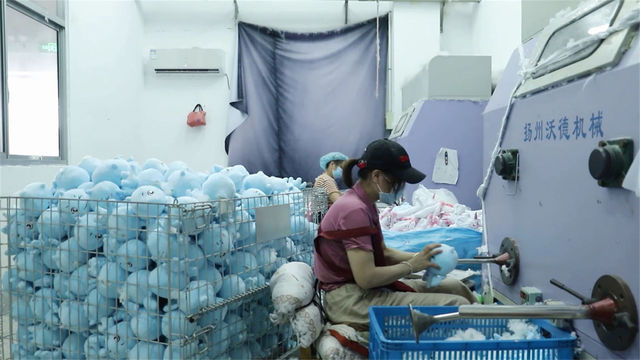
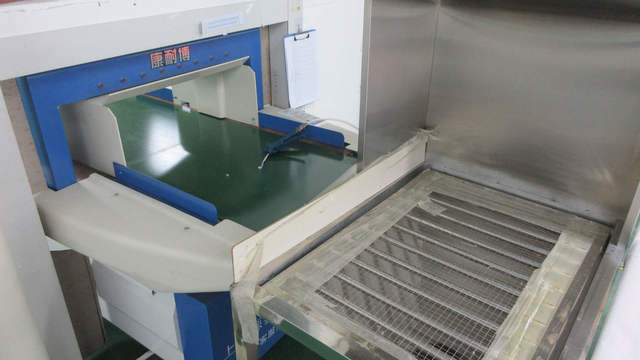
Skilled workers assemble the pattern pieces using lockstitch industrial sewing machines. Internal skeletal elements or sound/motion chips are embedded securely. Once stuffed with high-grade PP cotton or sustainable fibers, every single toy undergoes dual-pass industrial metal detection to guarantee absolutely zero needles or foreign metal objects are present.
When procuring custom plush toys globally, safety compliance is not optional—it is a critical legal barrier. Products intended for children under 3 years old are subject to the strictest regulatory oversight of any consumer goods category. As a premier Chinese plush factory, STTY Toys maintains rigorous compliance protocols to ensure seamless import processes for our global clients.
The core certifications required for major B2B markets include:
EEAT Trust Action: We proactively provide full lab test reports from third-party certification bodies (SGS, Intertek, or TÜV Rheinland) with every bulk delivery. This minimizes the risk of customs delays, and gives retailers complete confidence during product launches.
Navigating plush toy procurement can be optimized significantly if you understand the key cost drivers. The overall price of a custom plush toy is determined by: Fabric Complexity, Embroidery Stitch Count, Overall Dimensions (Volume), Packaging Requirements, and Total Quantity. To assist procurement teams in maximizing their ROI, we suggest the following strategies:
As technology and environmental consciousness advance, the soft toy industry is evolving. Modern buyers should adapt to these trends to remain competitive:
Consumer demand for green products has moved beyond packaging. Recycled PET (rPET) stuffing, organic bamboo fibers, and natural dyes are becoming standard requests from premium brands looking to reduce their carbon footprint.
Integrating NFC chips, Bluetooth sound elements, or glow-in-the-dark fabrics turns traditional plush toys into interactive gaming companions or calming sleep aids. These features add substantial value and command premium retail pricing.
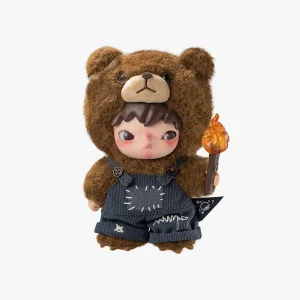
The line between child playthings and designer art is blurring. Highly detailed collector dolls, featuring complex clothing and distinct artistic aesthetics, target adult consumers who view plush toys as pieces of art.
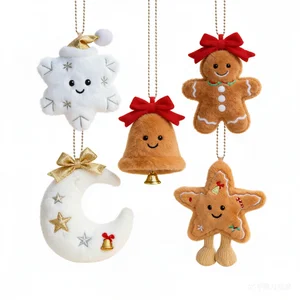
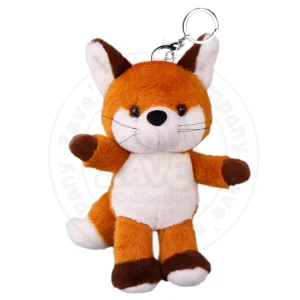
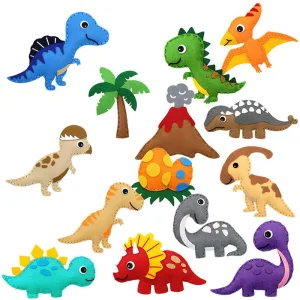
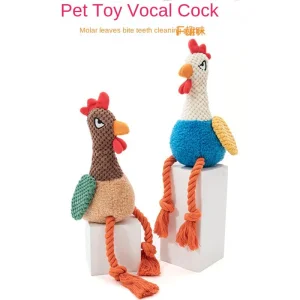
Discover our custom plush keychains, seasonal decorations, educational felt kits, and limited-edition designer art toys.
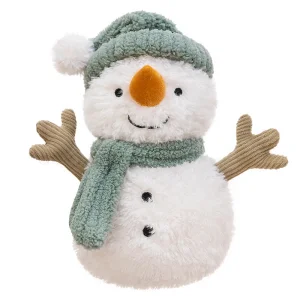
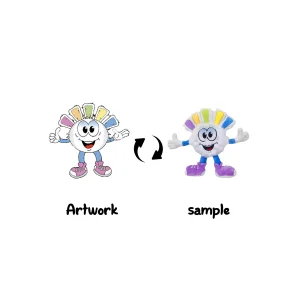
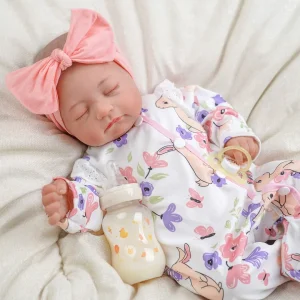
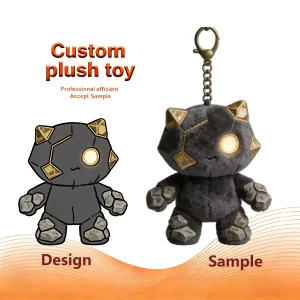
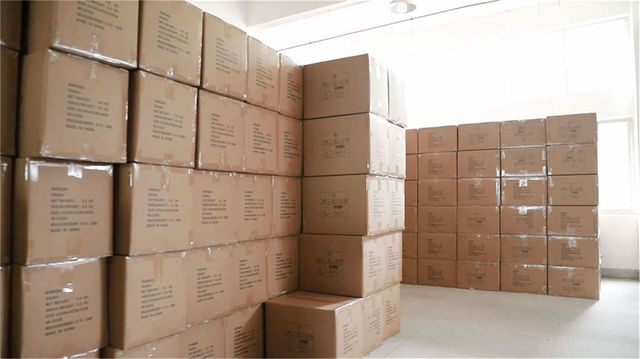
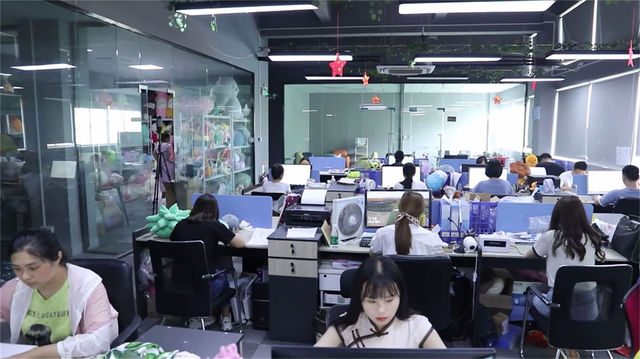
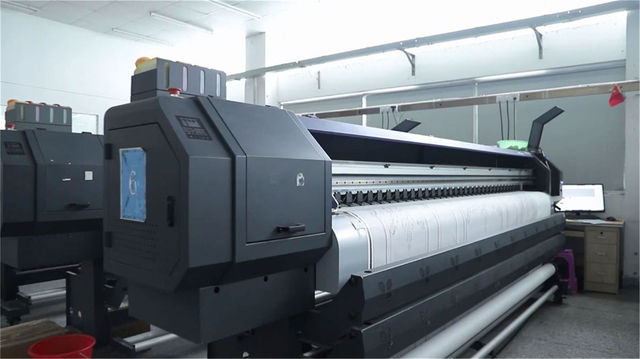
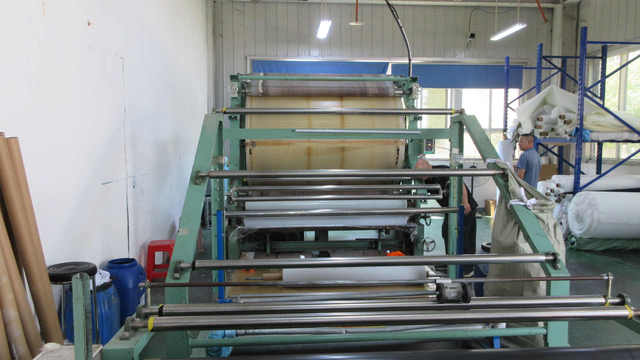
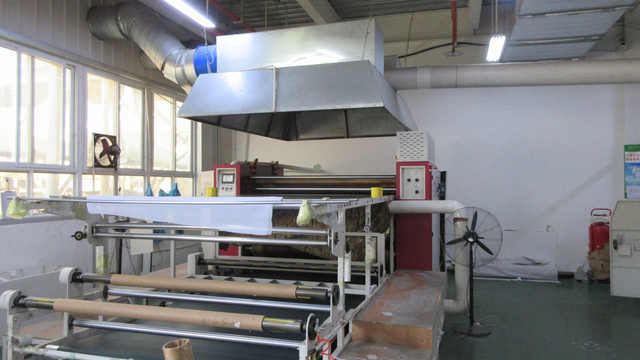
Dongguan STTY Toys Co., Ltd. operates a highly standardized, safety-certified manufacturing plant. Below is an overview of our production facility, showcasing our modern sewing floors, high-speed cutting machinery, embroidery line, and strict quality control stations.
 STTY Toys