Explore our top-tier customized, non-toxic, and interactive handmade toy innovations tailored for international retail brands and promotional events.
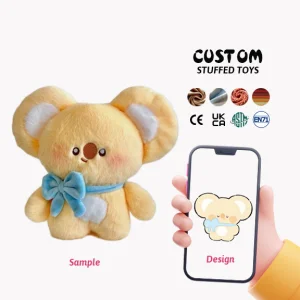
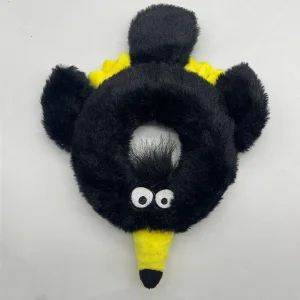
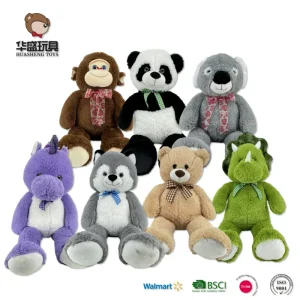
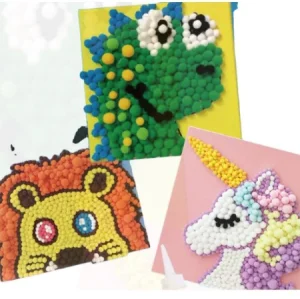
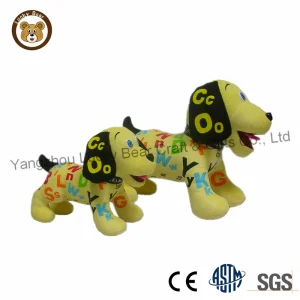
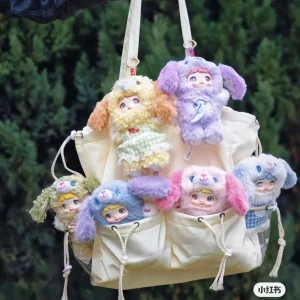
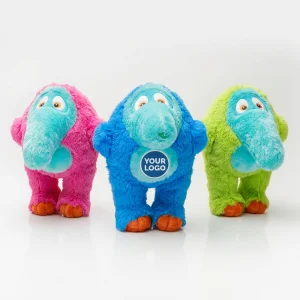
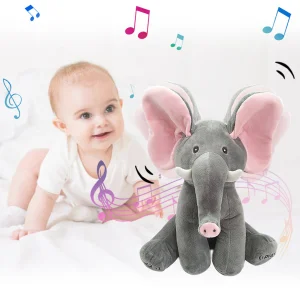
The global toy manufacturing sector is experiencing a deep paradigm shift. Historically driven by high-volume, low-cost plastic injection methods, the industry is realigning toward tactile warmth, physical safety, and cognitive stimulation. Today's commercial toy landscapes demand premium plush material and customized tactile designs that cannot be duplicated by rigid polymers. In search of distinct brand differentiators, retail distributors, corporate event organizers, and entertainment IP owners are turning to specialized handmade toy creations. Unlike standard mass-produced items, handmade plush toys bring a sense of uniqueness, artisan heritage, and structural complexity that resonates with consumers who prioritize longevity and eco-responsibility.
As leading players in this field, organizations like Dongguan STTY Toys Co., Ltd. represent the integration of custom-tailored artistry and robust industrial scalability. For modern global procurement managers, locating reliable manufacturers involves evaluating more than basic price quotes. The modern B2B sourcing ecosystem requires proof of stringent safety standards, raw material traceability, advanced design rendering, and highly responsive supply chains. This whitepaper analyzes these elements, outlining why optimized soft toy products are vital to consumer brand portfolios and explaining how modern Chinese production clusters maintain global quality standards.
The manufacturing of soft toys involves strict regulatory standards, as these items are categorized as high-scrutiny products designed for newborns, toddlers, and young children. Consequently, global procurement involves navigating complex regional regulatory frameworks. Failure to comply with these rules can result in shipping seizures, costly recalls, and long-term brand damage. Below is a detailed breakdown of the standard international requirements that manufacturers must meet:
Each major economic region maintains specialized test profiles targeting mechanical hazards, chemical composition, and flammability:
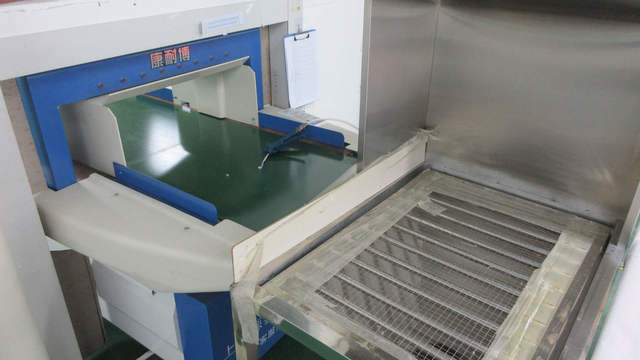
To consistently meet these requirements, manufacturers must focus on material traceabiity and supply chain management. Every element—from high-density PP cotton stuffing and plush velour outer shell fabrics to embroidered thread and internal structural wires—must be verified as hypoallergenic, flame-retardant, and non-toxic. At Dongguan STTY Toys Co., Ltd., safety measures include multi-stage needle detection processes to ensure no metallic fragments remain in finished plush toys. This systematic approach is a core requirement for brands that want to protect their intellectual property and maintain consumer trust.
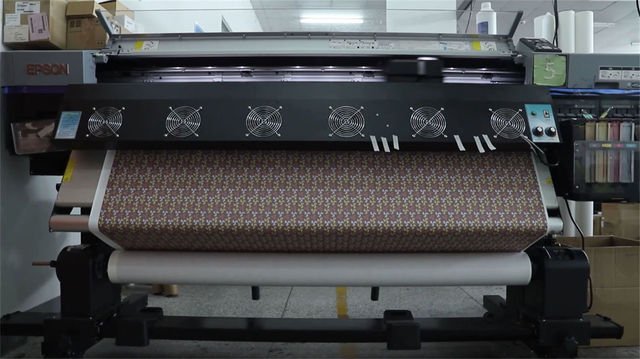
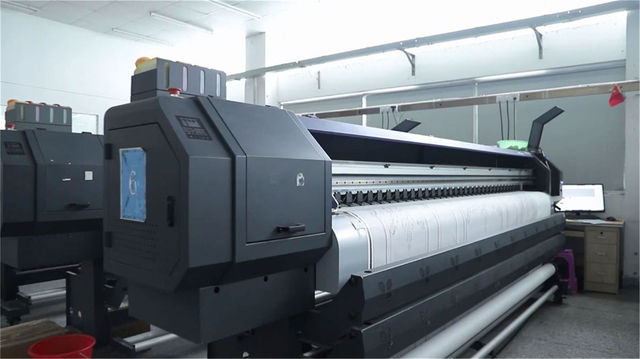
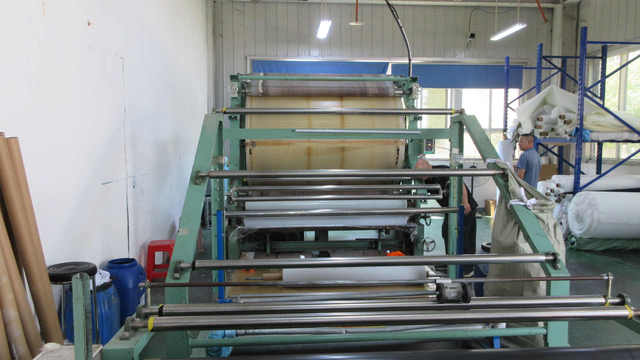
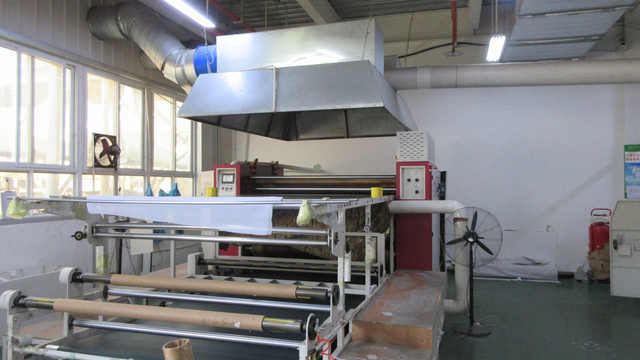
Modern toy production in China has evolved beyond simple assembly-line labor. Through the implementation of Industry 4.0 principles, manufacturing centers like Dongguan have transformed traditional craft techniques into digitalized, agile production systems. This approach maintains the high-touch quality of hand-stitched detailing while providing the scalability needed for major global product launches.
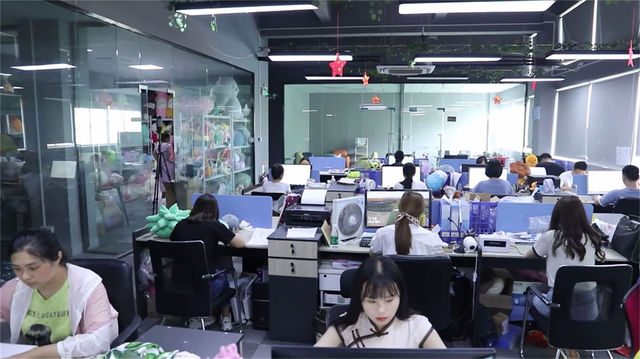
Translating complex character sketches into flat sewing patterns is completed using 3D modeling and CAD software. This digital design stage minimizes material waste, ensures accurate physical proportions, and allows for rapid prototype iterations before start of manufacturing.
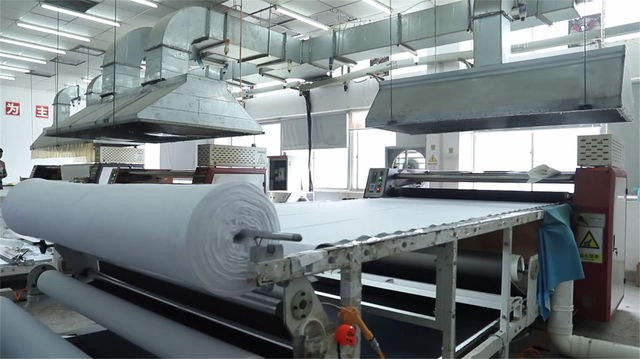
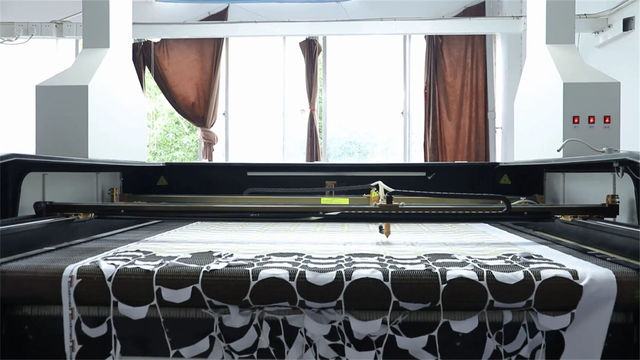
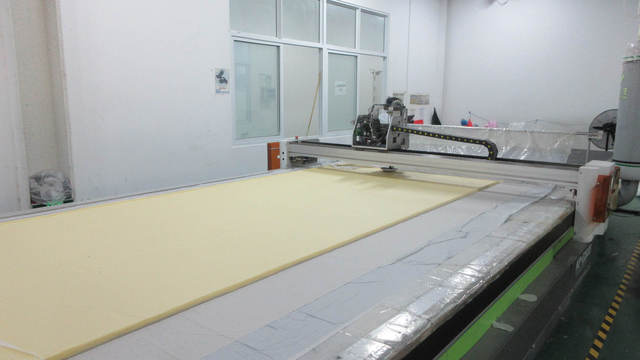
Computer-controlled laser cutting tables slice through stacked layers of short plush, velour, and felt with sub-millimeter accuracy. This process seals edges cleanly, prevents fraying, and ensures identical structural shapes across high-volume production runs.
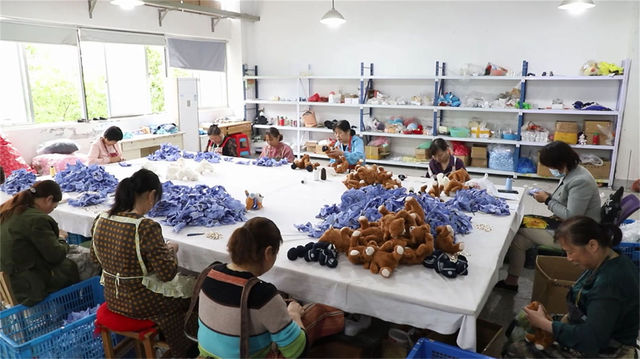
While raw materials are processed using high-precision machines, critical detailing—like facial structuring, hand-stitching, and final inspection—is performed by experienced craftsmen. This hybrid model delivers both structural consistency and artistic finish.
This technological infrastructure gives China's supply chains strong structural advantages. By keeping fabric weaving mills, custom dye houses, plastic component extruders, design offices, and shipping ports in close geographic proximity, companies like STTY Toys can compress design-to-delivery cycles down to weeks. This integrated ecosystem allows the industry to adapt quickly to changing consumer demands, global shipping logistics, and raw material cost fluctuations.
Successful custom plush manufacturing depends on a structured, step-by-step product development workflow. The illustration below outlines the design, prototyping, and manufacturing process that Dongguan STTY Toys Co., Ltd. uses to bring initial customer concepts to life as completed retail products:
Clients provide design files, sketches, dimensional targets, and specific material requests. Development teams analyze safety needs, estimate budgets, and propose the best manufacturing methods.
Pattern engineers generate templates and build pre-production physical prototypes. This allows clients to assess fabrics, density, facial expressions, and overall tactile feel.
Following sample approval, fabrics undergo safety and regulatory testing. Approved materials are cut using automated laser systems to prepare for sewing.
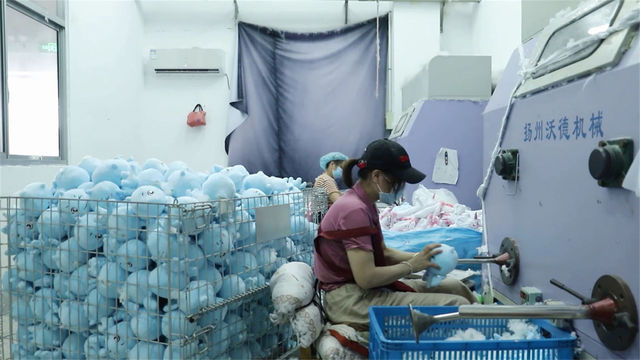
Skilled operators assemble the outer fabric shells using reinforced lock-stitches. Next, the shells are stuffed with premium PP cotton using pneumatic fiber injection systems to ensure uniform density.
Following assembly, each plush creation undergoes final finishing steps, including embroidery detailing, accessory attachment, and safety inspections. Products are passed through multiple sensitivity metal detectors to identify and remove any stray metallic particles, such as sewing needles, before final packaging. This careful quality control process protects downstream retailers from safety liabilities and ensures that every shipped product meets customer expectations.
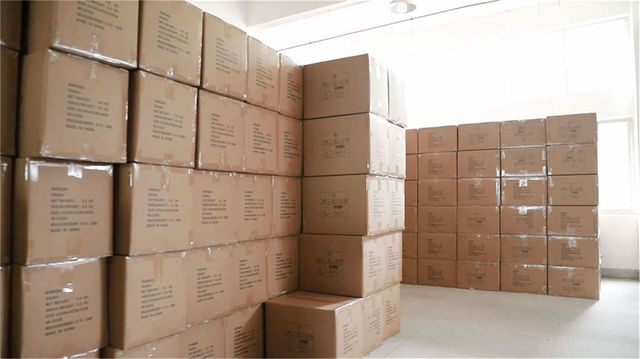
Based in the manufacturing center of Dongguan, China, Dongguan STTY Toys Co., Ltd. is a specialized OEM and ODM plush toy manufacturer. The company produces custom stuffed animals, promotional plush mascots, developmental toys, and private-label soft products for a global customer base. Our facilities combine advanced design machinery with skilled handcrafting to handle orders ranging from small-batch specialized runs to large-scale retail shipments.
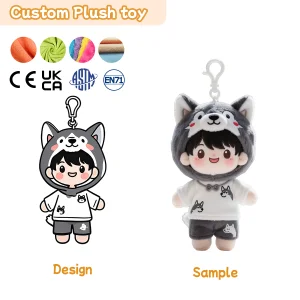
Our product development team works directly with clients to translate hand-drawn concepts, 2D vector illustrations, or digital 3D models into market-ready plush designs. We support brands through every step of the process, including pattern creation, fabric matching, safety certification, custom packaging design, and global logistics coordination.
By choosing STTY Toys, clients gain access to a reliable supply chain partner committed to safety, quality, and transparent communication. We source certified non-toxic fabrics and implement strict quality control protocols at every stage of production, helping brands successfully launch custom soft toy collections in competitive global markets.
The global demand for custom plush toys is growing across several key market segments. To capture these opportunities, brands are designing products tailored for specific channels and demographics:
Consumers are increasingly seeking sustainable products. Retail brands are updating their lines with RPET (recycled polyethylene terephthalate) fabrics made from ocean-bound plastics, filled with organic cotton, bamboo fibers, or biodegradable cornstarch pellets.
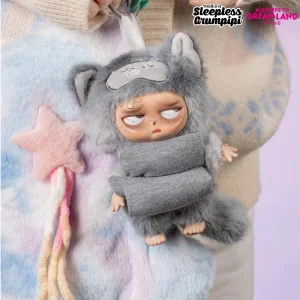
The rise of collectible culture has made mini-plush blind boxes highly popular among Gen Z and adult collectors. These products combine vinyl bases with soft plush details to create high-value, collectible character figures.
Integrating technology into soft toys is a growing trend. Adding sound chips, NFC tags, and washable electronic components creates interactive toys that support early childhood development and digital connectivity.
Localization also plays a key role in product success. For example, North American educational organizations often source custom plush toys to teach emotional intelligence or environmental science. In European markets, the focus is heavily on organic material certifications (such as OEKO-TEX or GOTS) and minimal packaging designs. Meanwhile, in corporate promotion and event marketing, high-quality plush mascots are used as durable, memorable alternatives to low-value plastic giveaways, helping brands build stronger connections with their target audiences.
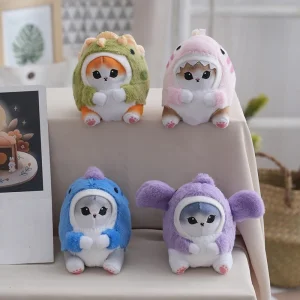
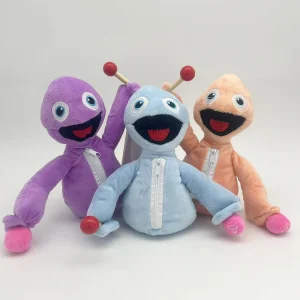
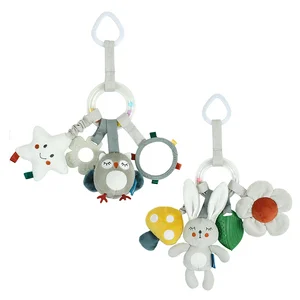
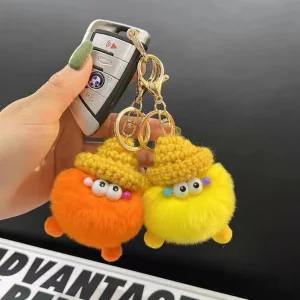
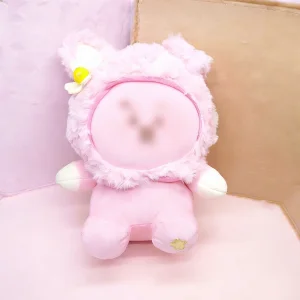
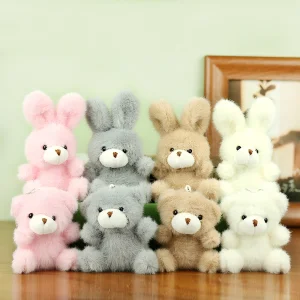
Explore our additional handmade designs, mini-plush keychains, and collectible soft figures designed to meet international B2B standards.
This FAQ section covers key sourcing, regulatory, and production questions to help procurement managers make informed supplier decisions.
 STTY Toys