Discover our premium range of custom sustainable soft toys, sensory playsets, and novelties designed under strict global compliance framework.

The industrial landscape is undergoing a monumental transition toward ecological responsibility. Historically, consumer soft goods and toys relied extensively on virgin petrochemical derivatives, such as standard polyester (PES), polyurethane (PU) foams, and synthetic dyes containing trace heavy metals. Today, driven by stringent global environmental legislation and evolving consumer expectations, the mandate for sustainable material engineering has moved from a niche marketing advantage to a baseline compliance requirement.
Under regulations like the European Union's Ecodesign for Sustainable Products Regulation (ESPR) and the United States' updated FTC Green Guides, brands are held accountable for the entire life cycle of their products. This legal pressure, coupled with carbon border adjustment mechanisms, has compelled leading OEM and ODM factories to transform their supply chains. The integration of GRS-certified recycled polymers, organic textiles, and biodegradable plant fibers has emerged as the definitive path forward for high-volume consumer goods.
As a leading industry hub, Dongguan STTY Toys Co., Ltd. has established a robust ecosystem of sustainable materials. By combining advanced textile science with efficient OEM/ODM execution, the company assists global retail brands, theme parks, and corporate clients in achieving carbon reduction targets without compromising on tactile quality, safety, or structural durability.
Sourcing and processing eco-friendly materials requires deep technical expertise. Natural fibers, recycled synthetics, and bioplastics exhibit distinct physical profiles that demand specialized manufacturing processes. STTY Toys' material science division relies on a rigorous taxonomy of sustainable alternatives to virgin synthetic inputs:
Fabricated from post-consumer plastic beverage containers. Mechanical recycling processes clean, shred, melt, and extrude the PET into high-tenacity filament yarns. This process bypasses petroleum extraction, directly converting waste into premium plush fabric and inner fiberfill with equivalent tensile strength and soft-touch attributes.
Certified under the Global Organic Textile Standard (GOTS). Grown without synthetic pesticides or nitrogen-heavy fertilizers, organic cotton reduces agricultural water consumption by up to 91%. Bamboo fibers provide natural hypoallergenic, thermoregulating, and antimicrobial features, ideal for baby products.
Derived from starch-rich crops such as corn, cassava, or sugar beet. Through fermentation and polymerization, these renewable sources form polylactide fibers. When utilized as internal stuffing, PLA delivers excellent resilience and loft while remaining industrially compostable, creating a circular end-of-life cycle.
| Material Category | Common Trade Applications | Environmental Benefit | Compliance Standards |
|---|---|---|---|
| Recycled Polyester (rPET) | Plush outer shell, structural felt, internal fiber stuffing | Diverts marine plastics; reduces oil dependence by 70% | GRS (Global Recycled Standard), Oeko-Tex Standard 100 |
| Organic Cotton | Baby toys, organic apparel, sensory fabrics | Eliminates toxic agricultural chemicals; preserves soil health | GOTS, OCS (Organic Content Standard) |
| Bio-based PLA Fibers | High-resilience stuffing, biodegradable packaging | Carbon-neutral agricultural absorption; compostable | ASTM D6400, EN 13432 |
| Water-Based Eco Dyes | All textile printing, yarn dyeing, sublimation printing | Zero discharge of hazardous chemicals; heavy metal free | REACH, ZDHC (Zero Discharge of Hazardous Chemicals) |
Transitioning to eco-friendly production is not merely about exchanging raw fibers; it requires restructuring the entire design and manufacturing process. As a highly integrated OEM/ODM Eco-Friendly Materials Manufacturer and Factory, Dongguan STTY Toys Co., Ltd. provides end-to-end industrial systems to ensure seamless green transition for clients.
During the prototyping stage, STTY’s engineering team works with clients to analyze the performance requirements of their designs. A specialized material selection matrix guides decisions based on tactile feel, flame retardancy, tensile strength, and target manufacturing cost, balancing performance with sustainability.
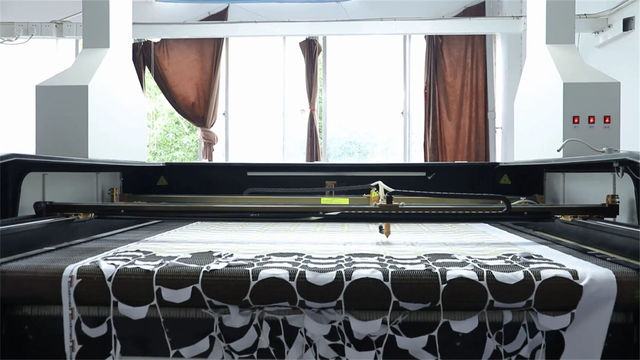
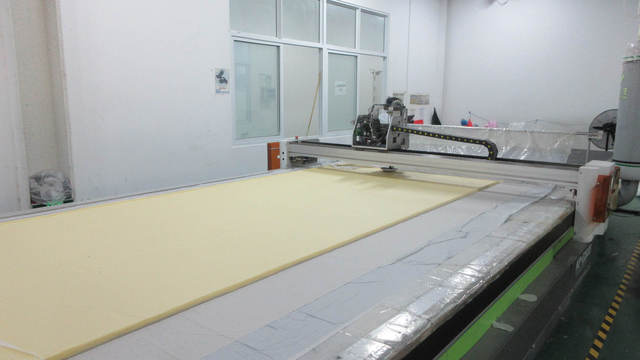
By leveraging advanced CAD and AI-assisted cutting technologies, STTY minimizes fabric scrap. Standard pattern layouts generate 15% to 25% waste, but optimized digital cutting paths reduce this waste to under 5%. The remaining scraps are gathered, shredded, and processed back into technical insulation felt or secondary backing material.
Sustainability claims require robust verification. STTY Toys enforces a strict chain of custody, ensuring that every batch of organic cotton or recycled polyester is accompanied by a Transaction Certificate (TC). This transparency allows global brands to confidently present verified sustainability metrics to their end consumers and regulators.
Regulatory requirements for consumer items vary significantly by region. A sustainable product must be adapted to local regulations to ensure market compliance and consumer safety.
For the United States and Canada, products must meet ASTM F963-17 physical and chemical criteria alongside CPSIA limits for lead and phthalates. Additionally, California's Proposition 65 requires strict reporting of chemical substances. STTY Toys ensures all eco-friendly fibers, non-toxic dyes, and internal components are tested by third-party laboratories (such as SGS or Intertek) to confirm complete compliance.
The European Union maintains strict regulations under EN71 (Parts 1, 2, & 3) and the European Toy Safety Directive. With the implementation of the CE Mark green transition guidelines, toys sold in Europe are evaluated for microplastic shedding and ease of disassembly. STTY Toys offers monomaterial design solutions, where both outer shells and inner stuffings are composed of the same polymer class (such as 100% rPET), facilitating post-consumer recycling.
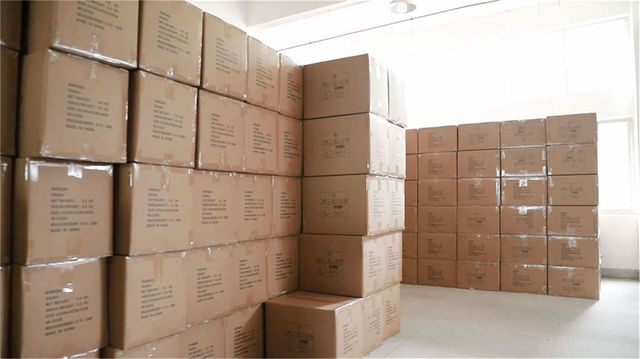
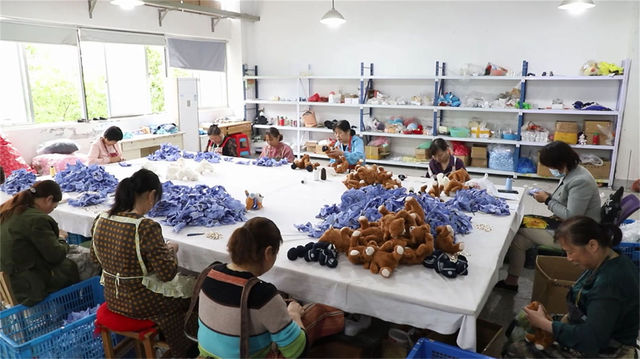
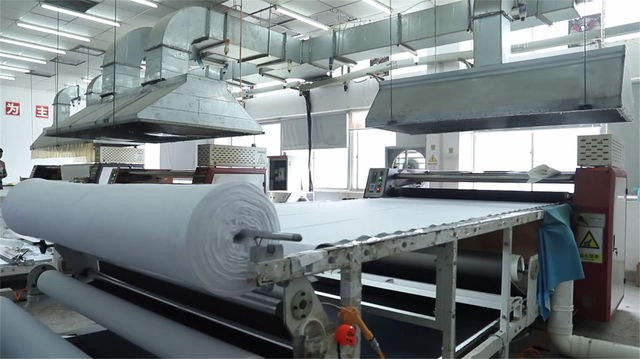
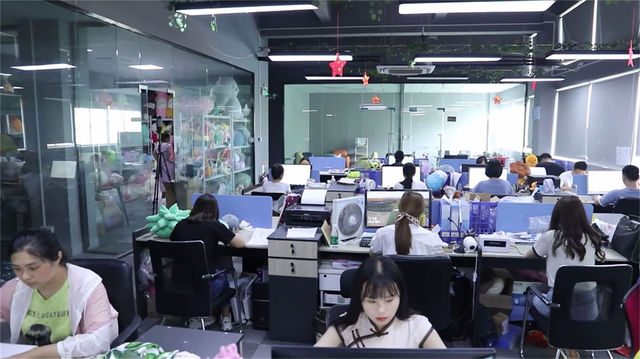
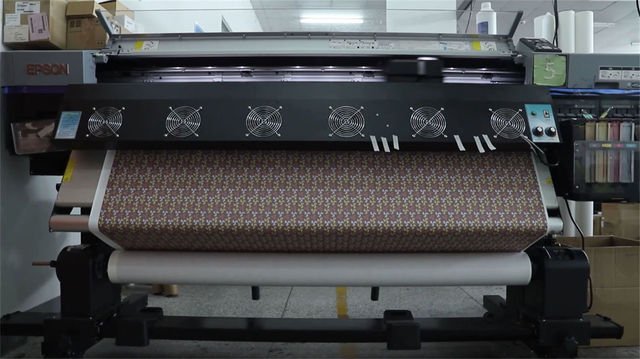
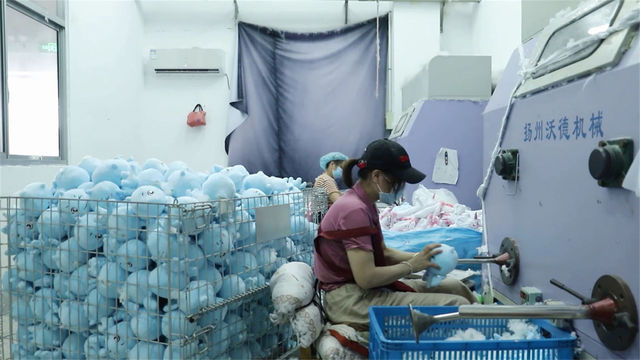
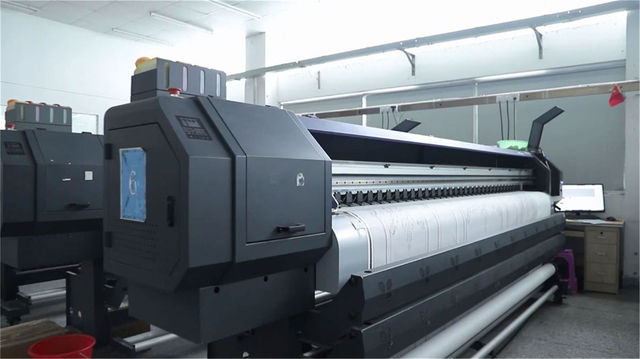
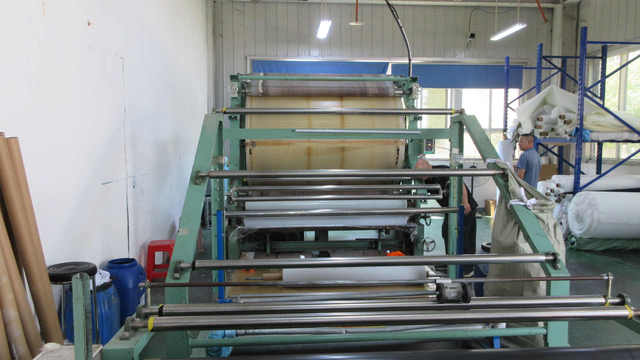
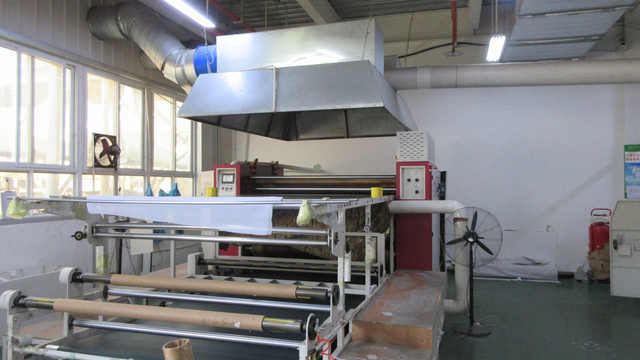
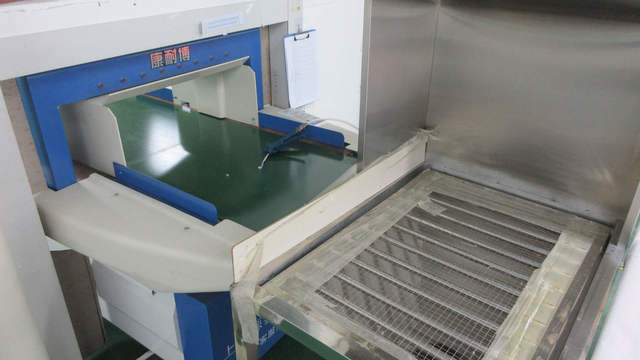
Inside our advanced manufacturing facility in Dongguan, China, showcasing our sewing workshops, material testing systems, and quality control departments.
Technical answers to critical procurement, chemical safety, and material sourcing challenges.
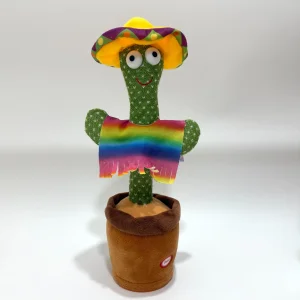
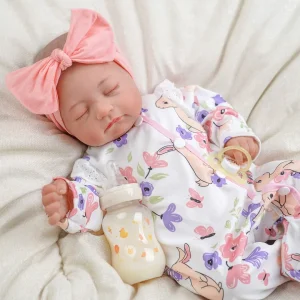
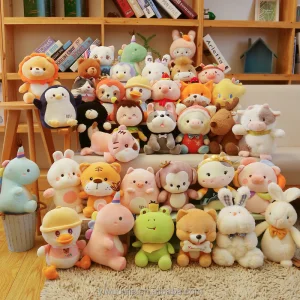
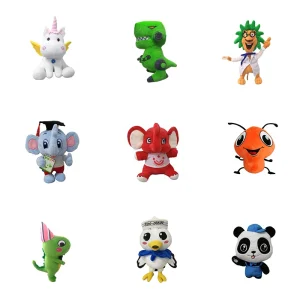
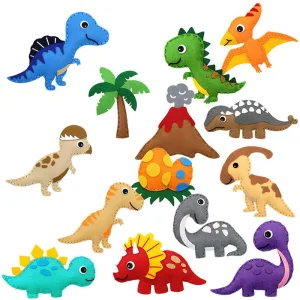
Discover more of our high-quality custom soft goods and toy designs, engineered with safety and sustainability in mind.

 STTY Toys