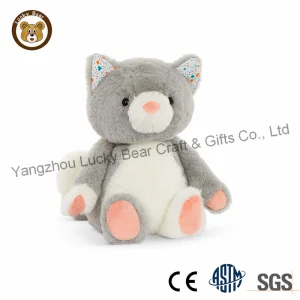
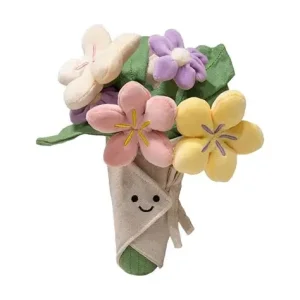
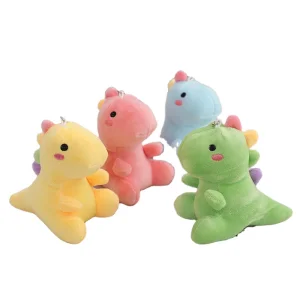
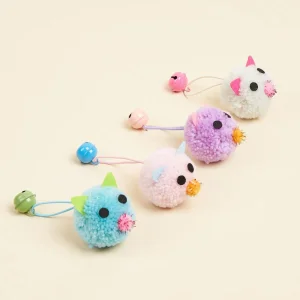
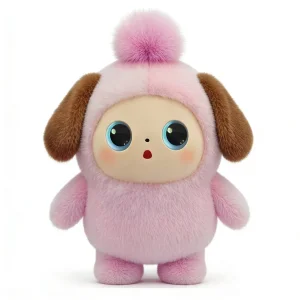
Explore our top-performing custom manufacturing solutions engineered for developmental play, high durability, and certified global safety compliance.
The global educational toy market has shifted dramatically from passive playthings to structured, multi-sensory cognitive tools. Driven by a surge in childhood developmental research, parents, educators, and institutional buyers now prioritize toys that foster cognitive load management, sensory processing, and Social-Emotional Learning (SEL). Soft toys and plush educational products play a pivotal role in this paradigm shift. Unlike rigid plastic construction sets, educational soft toys combine emotional security with sensory feedback, making them highly effective for early childhood intervention, language acquisition, and therapy.
According to international toy market analyses, the demand for STEAM (Science, Technology, Engineering, Arts, and Mathematics) aligned plush toys is growing at a compound annual growth rate (CAGR) of over 7.5%. B2B buyers—ranging from educational institutions to retail distributors—are demanding products that serve a dual purpose: emotional comfort and developmental enrichment. This intersection of comfort and education has forced modern manufacturers to rethink materials, embedding tactile elements, auditory components, and even smart AI integrations (such as conversational language interfaces) into the traditional textile format.
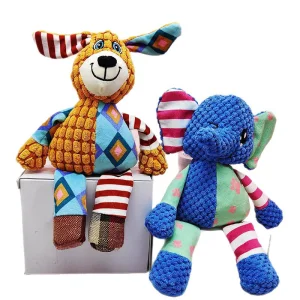
In response to these market requirements, leading manufacturers are moving away from simplistic designs toward rich cognitive structures. This includes toys with varying tactile zones (corduroy, velvet, sherpa fabrics) to stimulate infant sensory pathways, customizable sound boxes to aid in language development, and interactive components like hook-and-loop fasteners or zippers to improve fine motor skills. As global distribution lines become more sophisticated, importing organizations need a manufacturing partner capable of translating educational theories into highly durable, mass-produced physical assets.
Dongguan, located in the heart of China’s Pearl River Delta, is recognized globally as the premier industrial hub for toy manufacturing. The region hosts an integrated supply chain that spans raw material refinement, specialized textile weaving, high-precision electronic integration, and advanced logistics. Dongguan STTY Toys Co., Ltd. sits at the forefront of this industrial ecosystem, acting as a specialized China plush toy manufacturer that blends craftsmanship with advanced engineering.
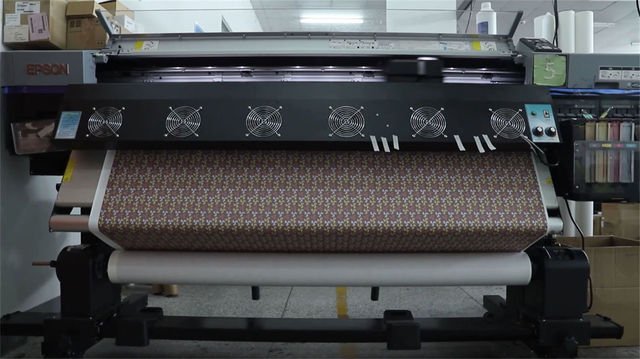
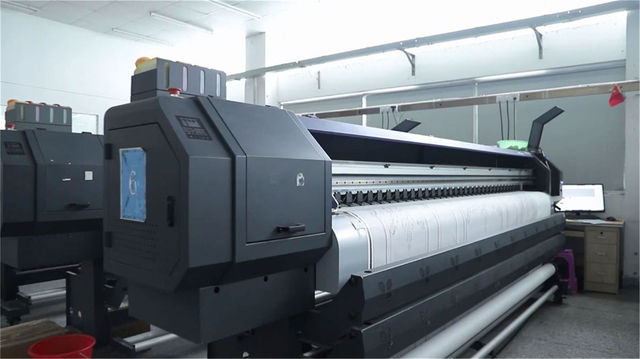
By operating directly in Dongguan, STTY Toys leverages unparalleled supply chain efficiencies. Our factory can source specific, non-toxic, flame-retardant textiles within hours rather than weeks, dramatically reducing lead times. The localization of specialized sub-industries—such as custom fiber stuffing, safety eye component injection molding, and digital textile printing—allows us to scale production up or down rapidly. Whether executing a low-MOQ run for a niche educational startup or scaling up to millions of pieces for a global retail campaign, our infrastructure prevents bottlenecking.
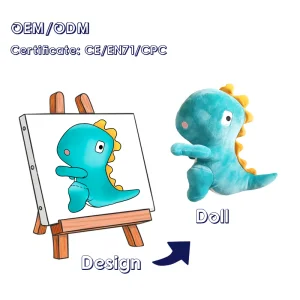
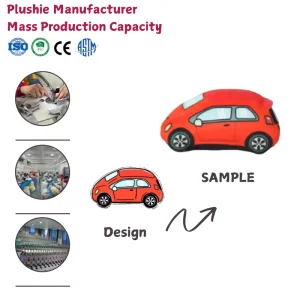
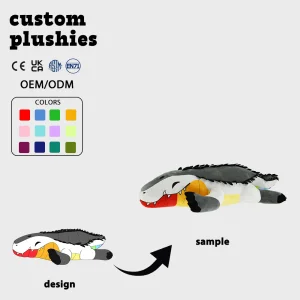
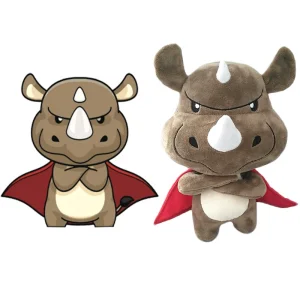
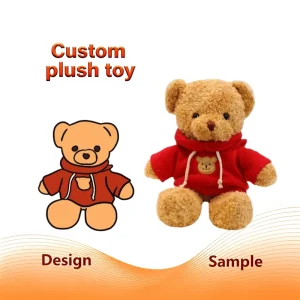
We convert complex vector illustrations, 2D photos, or 3D CAD files into physical soft toy prototypes. Our design department adjusts fabric contours, stitch tolerances, and internal densities to match customer goals.
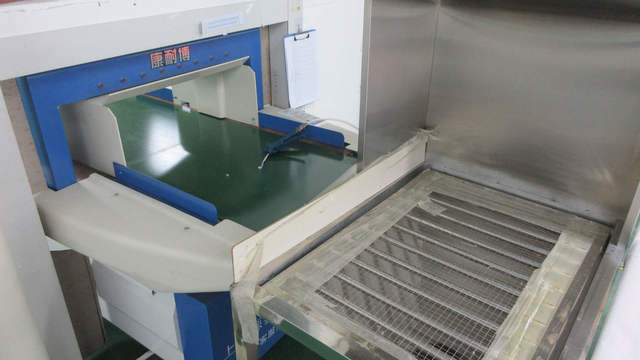
From initial fabric inspection to final needle detection and metal-scanning, STTY Toys enforces zero-defect quality control across every production line, meeting global import standards.
We provide full-spectrum design-to-delivery support, developing character plush, mascot figures, therapeutic sensory toys, and custom promotional soft products tailored to specific brand guidelines.
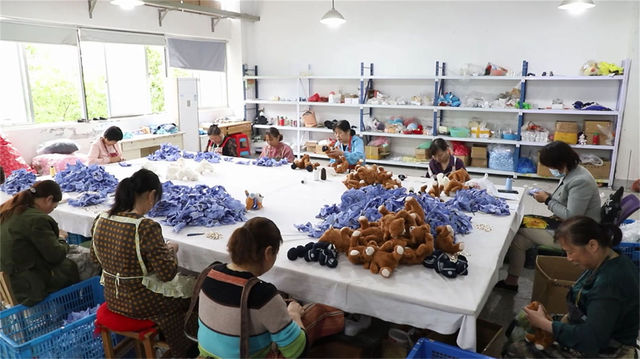
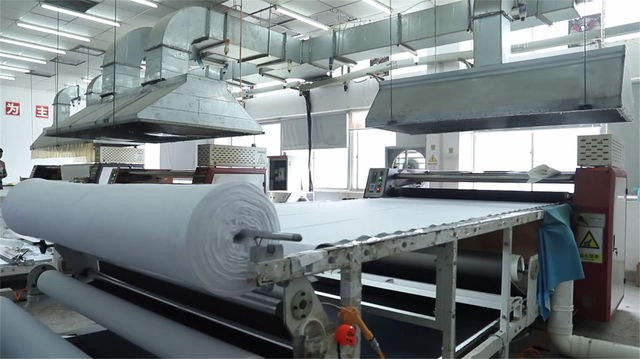
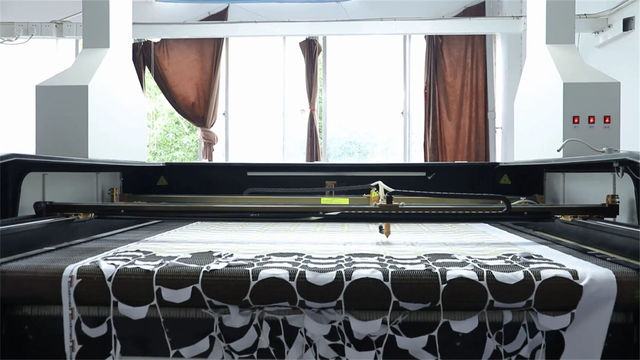
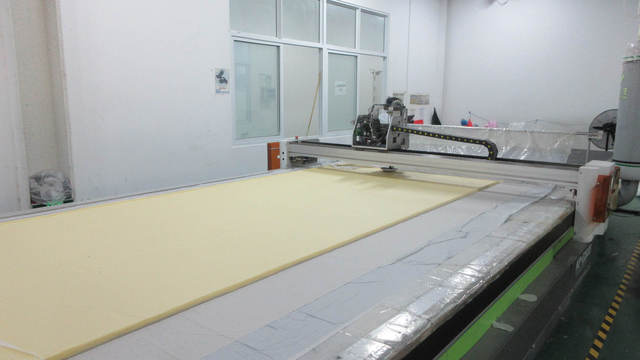
Our company understands that product consistency is vital. We utilize automated cutting machinery to ensure fabric panel precision down to the millimeter, which guarantees that the facial proportions and shapes of the final products match approved client designs. Furthermore, our sewing lines employ skilled operators trained in complex stitch patterns, giving each custom plush toy superior seam strength and longevity, even under high stress during active child play.
Educational plush toys are no longer confined to retail shelves. Their utility spans several professional and institutional settings, each requiring distinct design configurations and compliance priorities:
"The shift toward conscious consumerism requires that educational toys do more than teach. They must be safe, resilient, and manufactured under transparent, ethical guidelines. This forms the cornerstone of STTY Toys' manufacturing philosophy."
For international toy distributors and retail brands, regulatory compliance is the most critical factor in product sourcing. Failing a customs inspection or a domestic safety test can damage a brand's reputation and lead to costly product recalls. Dongguan STTY Toys Co., Ltd. builds safety and compliance directly into every phase of production, from raw material inspection to the packaging line.
We source all materials from certified suppliers who provide raw material test reports. We verify that all components, including polyester fabrics, inner fillings, printing inks, and plastic accessories, are free from harmful chemicals. Our production processes adhere to international standards, ensuring seamless importation into global markets:
The convergence of technology and traditional play has opened up new avenues for educational toys. In the past, interactive toys relied on simple, pre-recorded audio chips. Today, the integration of smart AI technology, such as conversational interfaces (ChatGPT or Gemini voice APIs), has transformed soft plush toys into active learning companions. These smart toys can engage children in natural conversations, answer educational queries, and adapt their teaching level to the child's developmental stage.
Simultaneously, environmental sustainability is no longer optional. B2B buyers are actively requesting eco-friendly products made from recycled materials. STTY Toys addresses this demand by offering RPET (Recycled Polyethylene Terephthalate) fabrics and fillings derived from recycled plastic bottles, along with organic cotton shells and water-based, non-toxic inks. Combining smart technology with sustainable manufacturing represents the future of the global educational toy market.
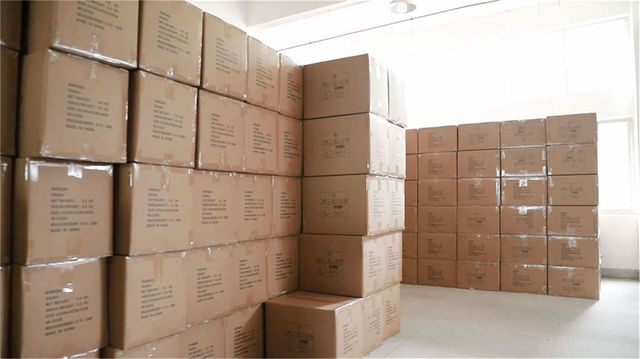
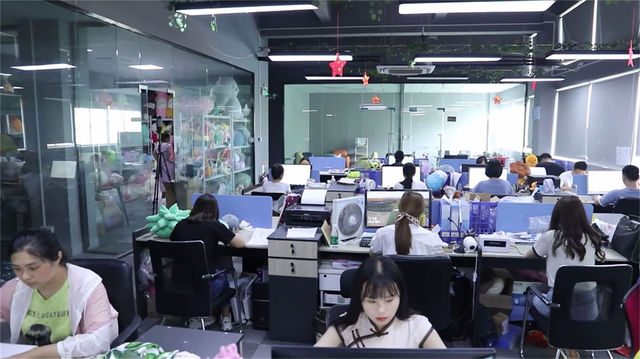
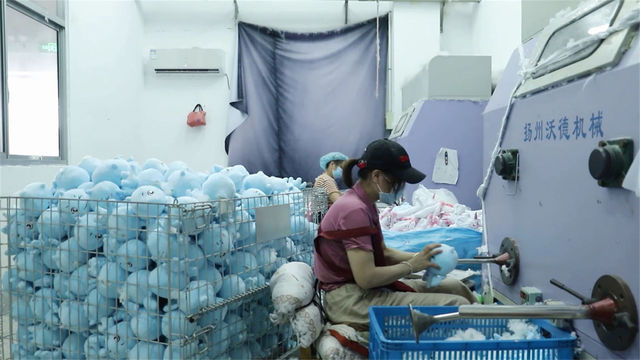
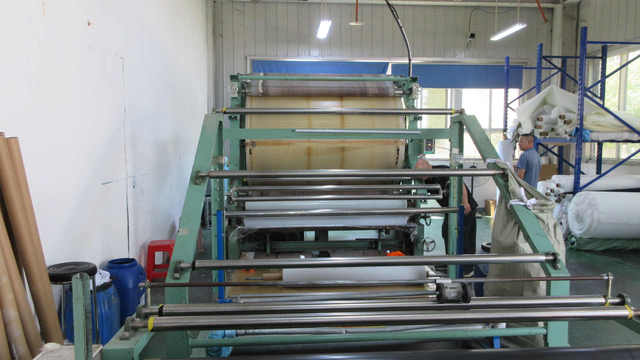
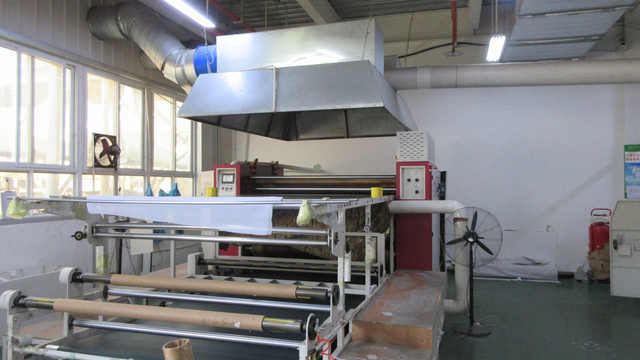
A transparent look inside the Dongguan STTY Toys Co., Ltd. workshops, showcasing our production standards, advanced equipment, and quality control processes.
Direct technical answers to help B2B buyers, product managers, and educational brands navigate the manufacturing process.
Explore more high-durability, safety-certified soft educational solutions for wholesale distribution and retail deployment.
 STTY Toys