Baby Plush Toys Manufacturer & Exporter for the Japan Market

Premium OEM/ODM Solutions Compliant with Japan Toy Safety (ST) Standards and Food Sanitation Law

Consult with Our Japan Market Specialists

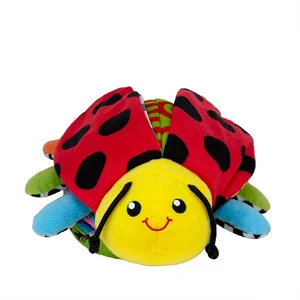
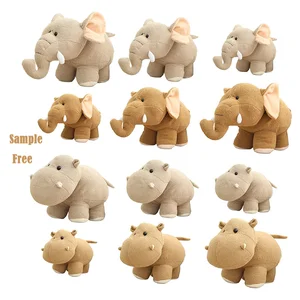
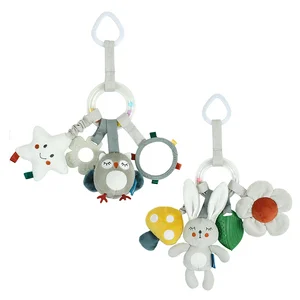
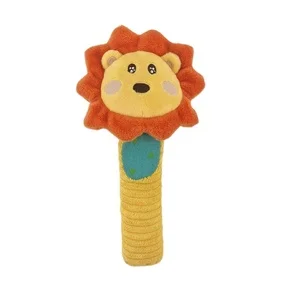
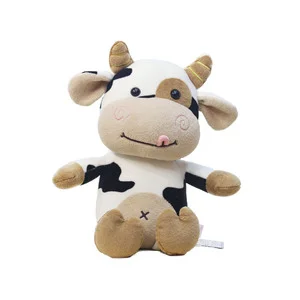
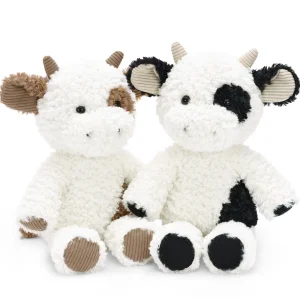
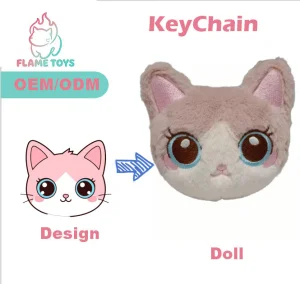
Featured Japan-Compliant Baby Plush Toys

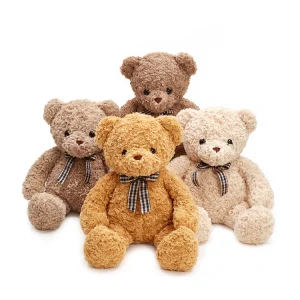
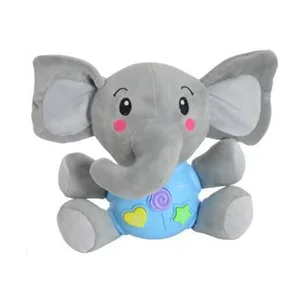
Curated high-safety selections optimized for Japanese infant safety regulations and sensory preferences.
INDUSTRY WHITEPAPER

Strategic Procurement of Baby Plush Toys for the Japan Market

In the global toy market, Japan represents one of the most lucrative yet demanding environments for baby plush products. Characterized by strict quality standards, stringent chemical limitations, and a highly safety-conscious consumer base, entering this market requires more than standard manufacturing. It demands a sophisticated understanding of local laws, safety standards, and user preferences. This document outlines the industrial standards, compliance protocols, and manufacturing paradigms necessary to export premium baby plush toys successfully to Japan.

100%
ST Test Pass Rate
3-Step
Needle Detection
0+ Mo
Age Appropriateness
15+ Yrs
Export Experience

1. Japan's Toy Market & Consumer Intent Analysis

The Japanese infant plush toy industry is undergoing a structural transition. Despite a declining birth rate, the market value of baby toys continues to grow. This is driven by "Premiumization"—parents, grandparents, and relatives are investing more per capita in high-quality, safe, and educational toys. Brands must target specific consumer intents when exporting to Japan:

  • Sensory Development (Gochi-Gochi/Mogu-Mogu): Toys that provide multiple textures, soft built-in crinkling paper, rattles, or baby-safe mirrors are highly sought after by Japanese parents to support early cognitive development.
  • Color Tone Preferences: While western markets sometimes prefer bright, primary colors, the Japanese baby products market leans heavily toward soft pastel tones, earthy neutrals (beige, sage green, dusty pink), and simple, elegant designs that blend into modern Japanese home aesthetics.
  • Hypoallergenic and Washable Materials: Japanese families prioritize cleanliness. Baby plush toys must be machine washable or easy to sanitize, and must not shed lint, minimizing allergy risks.

"The shift toward premium, long-lasting baby products in Japan has elevated the requirements for raw materials. Sourcing certified organic cotton and non-toxic dye is no longer optional—it is a baseline for competitive entry."

2. Regulatory Compliance & Toy Safety Standards (ST Standard)

Any company exporting baby plush toys to Japan must comply with the Safety Toy (ST) Standard, established by the Japan Toy Association (JTA), alongside the Japanese Food Sanitation Act (which covers toys designed for infants under 6 years/36 months of age who might put them in their mouths).

The ST Standard consists of three primary parts:

  1. Part 1: Physical and Mechanical Properties: This regulates safety issues such as choking hazards (small parts), sharp edges, and seams. For baby plush toys, the tension test is crucial. The eyes, noses, and seams must withstand strict pull tests to guarantee they won't detach.
  2. Part 2: Flammability: Ensures the fabric does not ignite easily or burn rapidly if exposed to a heat source.
  3. Part 3: Chemical Properties: This is highly strict. It bans or tightly restricts heavy metals, formaldehyde, and phthalate plasticizers. Formaldehyde regulations are particularly strict in Japan for infant products (0-24 months), requiring specialized raw material storage and manufacturing lines to avoid cross-contamination.

3. Technical Roadmap: AI & Advanced Quality Inspection

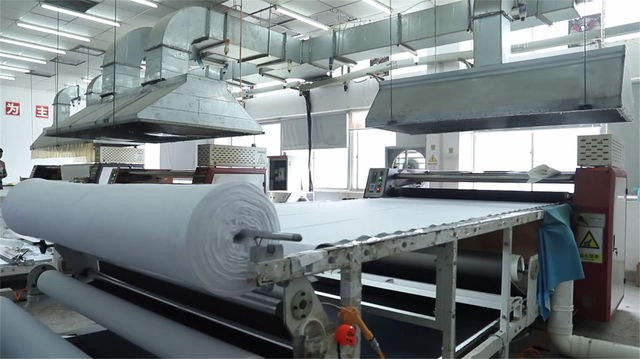
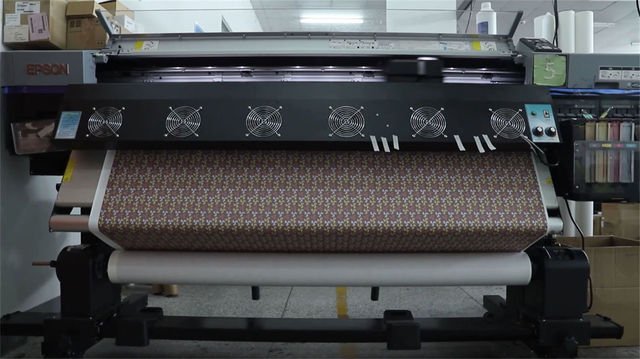
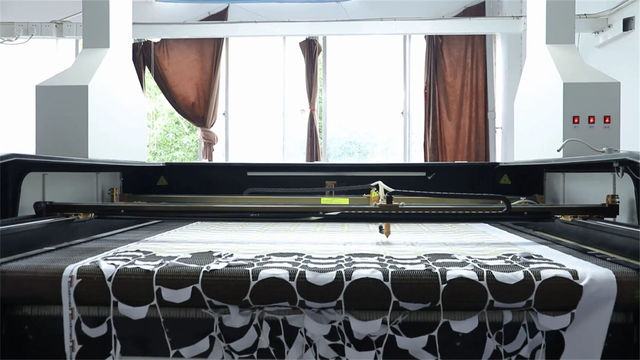
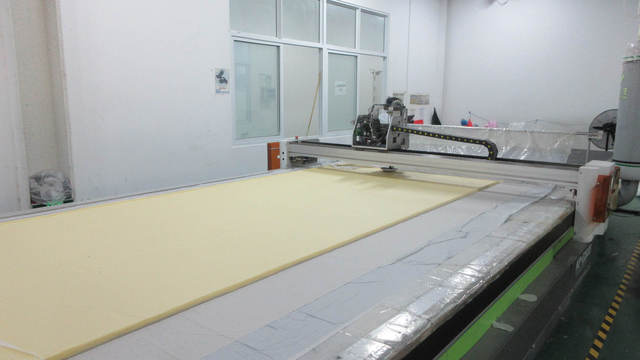
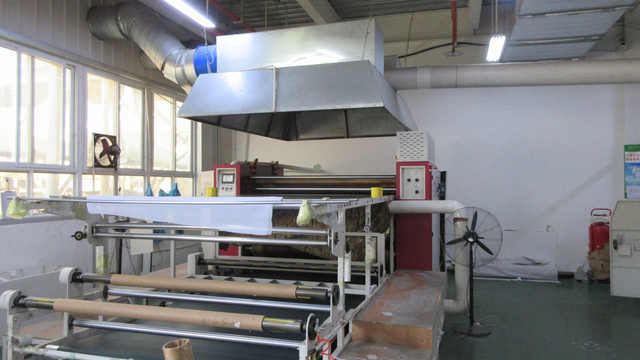
To eliminate manual errors, modern plush toy manufacturing must integrate digitalization and AI. At our factory, pattern making is digitized to reduce raw material waste and guarantee consistency in shape. Fabric cutting is performed using high-precision CNC laser cutters, which seal the edges of synthetic plush fabrics to prevent fraying and loose threads.

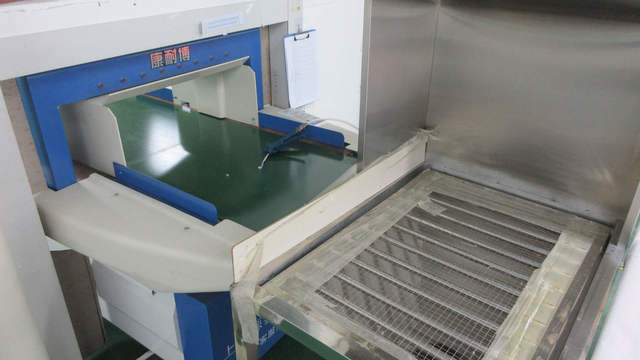
Our needle detection process is fully automated. Every single plush toy passes through a 3-step high-sensitivity conveyor-type metal detector. The system immediately rejects any item containing microscopic metal particles (such as broken sewing needle tips), guaranteeing 100% physical safety before packaging.

4. Factory Profile & Manufacturing Capacity (Dongguan STTY Toys)

Dongguan STTY Toys Co., Ltd. is a professional China plush toy manufacturer specializing in custom stuffed animals, promotional plush toys, educational plush products, and private-label soft toy solutions for global customers. With years of experience in plush toy design, development, and manufacturing, we are committed to delivering high-quality products that combine creativity, safety, comfort, and market appeal.

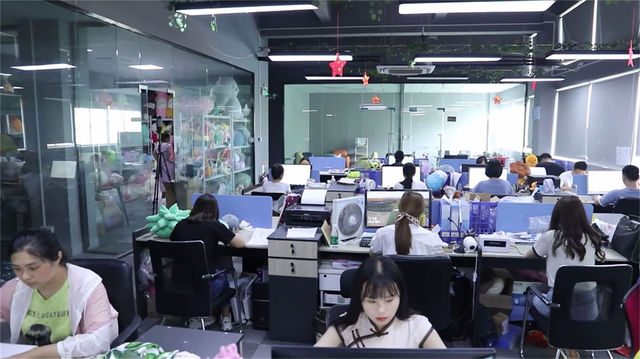
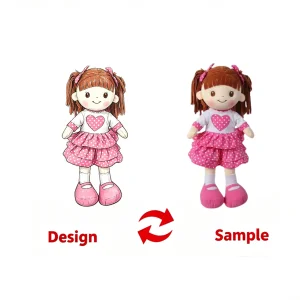
Our experienced design and engineering teams provide comprehensive OEM and ODM services, supporting customers from concept development and prototype creation to mass production and packaging. We work closely with clients to transform creative ideas into high-quality plush products that align with market trends and brand objectives. Quality and safety are fundamental to our manufacturing process, using carefully selected materials to ensure product consistency, durability, and compliance with international safety standards.
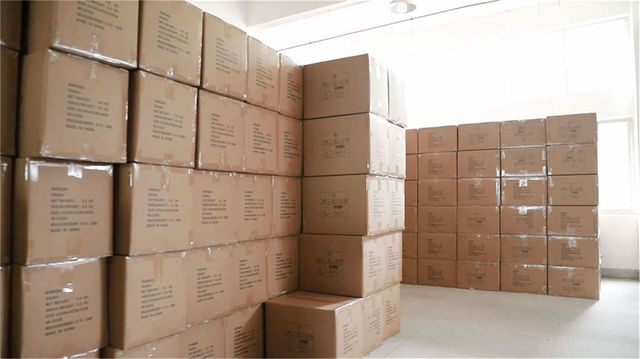
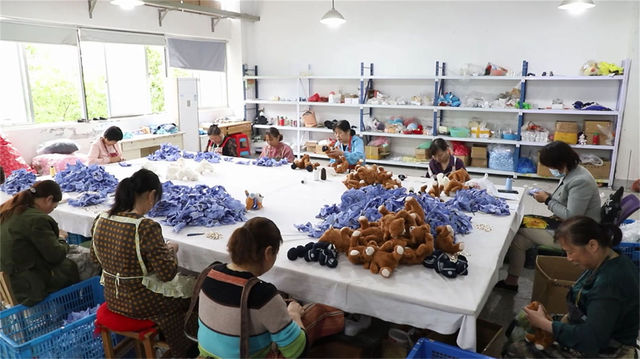
STTY Toys Factory Sewing Area
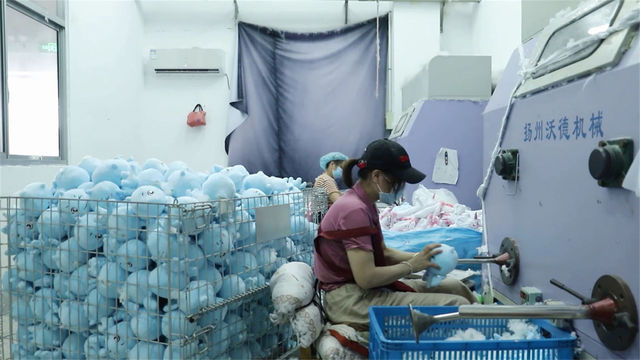
STTY Toys Factory Stuffing Process
STTY Toys Cutting Equipment
STTY Toys QC Department
STTY Toys Needle Detection Room
STTY Toys Production Line Assembly
STTY Toys Raw Material Storage
STTY Toys Embroidery Machine
STTY Toys Packaging Department
STTY Toys Sample Room
STTY Toys Certifications Showcase
STTY Toys Loading Container

5. FAQ (Search Intent Mining for Japanese Buyers)

Q1: How does STTY Toys comply with the Japanese Food Sanitation Act?
A1: For toys designed for infants under 36 months, we use materials that are certified lead-free, phthalate-free, and meet Japanese chemical restrictions. We partner with authorized labs (SGS/TUV/JTA-registered labs) to issue chemical compliance reports for customs clearance.
Q2: What is your minimum order quantity (MOQ) for custom designs exported to Tokyo/Osaka?
A2: Our standard MOQ for custom plush toys is 1,000 units per design. However, for initial market testing phases or high-end bespoke requests, we offer flexible volumes depending on fabric specifications and processing requirements.
Q3: Do you support double-needle detection protocols?
A3: Yes, we utilize advanced electromagnetic metal detectors. Every product is checked first after sewing and a second time right after packaging to guarantee absolutely no metal fragments remain.
Q4: Can we provide our own Japanese package/label design?
A4: Yes, we offer comprehensive OEM packaging support. We can print Japanese labels, warning sheets, and retail boxes, including ST logo printing once your toys pass JTA verification.

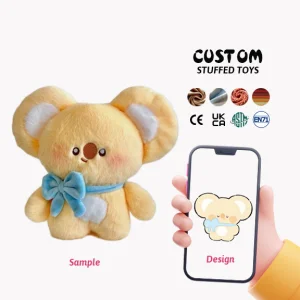
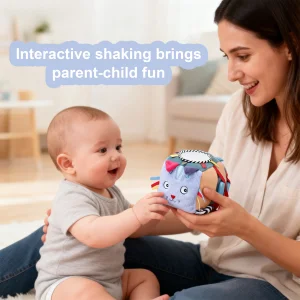
Complete Safe Baby Plush Product Line

Explore our full range of customizable stuffed toys, baby rattles, and educational soft products.
Ready to Expand Your Baby Plush Brand in Japan?

Consult with our structural safety engineers and import-export coordinators today. We provide fast prototyping, certification support, and guaranteed ST standard compatibility.

Send Inquiry Now