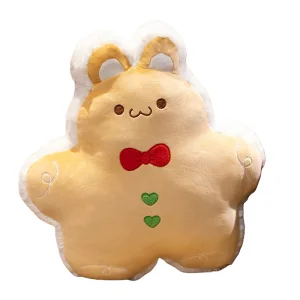
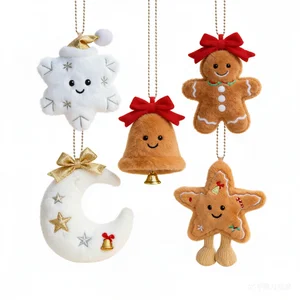
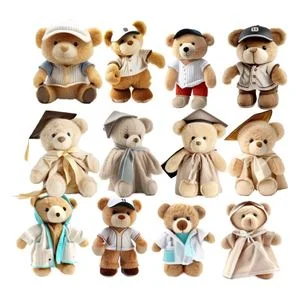
Explore our hot-selling custom solutions, direct-from-factory plushies, and eco-friendly products.
In the globalized custom gift and retail merchandise landscape, plush toys have transcended their traditional role as mere nursery accessories. Today, they represent critical instruments for intellectual property (IP) commercialization, powerful corporate branding tools, and high-margin retail products. For global enterprises looking to scale their soft toy lines, understanding the operational mechanics, compliance standards, and customization capabilities of Chinese manufacturers is essential. This whitepaper analyzes the advantages of partnering with top-tier Chinese plush factories, explores emerging supply chain trends, and examines the industry-leading standards maintained by manufacturing hubs like Dongguan STTY Toys Co., Ltd.
"Information Gain" Strategic Note: Top-tier plush toy manufacturing relies not only on competitive pricing, but on pattern engineering, fabric physics, and absolute compliance with safety standards (ASTM, EN71, CPSIA). Understanding this enables B2B buyers to optimize product lifecycle costs, reduce developmental cycles, and build brand equity.
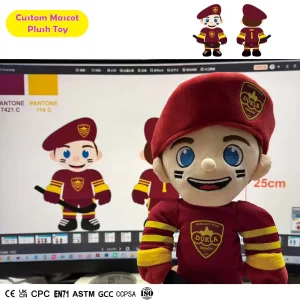
As a professional China plush toy manufacturer, Dongguan STTY Toys Co., Ltd. specializes in custom stuffed animals, promotional plush toys, educational plush products, and private-label soft toy solutions. Catering to a global customer base, STTY Toys leverages integrated development pipelines—spanning initial sketch-to-pattern design, fabric testing, automated prototyping, and scalable manufacturing—to deliver soft toys that combine aesthetic appeal with safety and structural integrity.
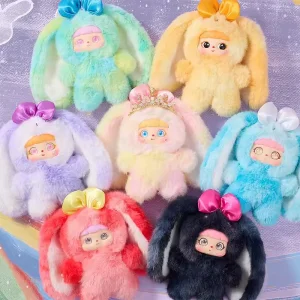
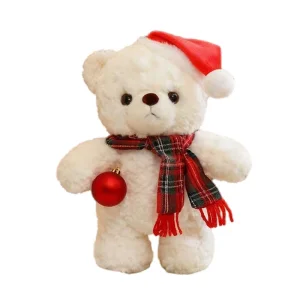
The company’s portfolio encompasses character plush toys, custom mascots, holiday-themed collections, educational sensory toys, and collectible blind box items. By combining traditional sewing craftsmanship with advanced production technologies like computerized embroidery and laser fabric cutting, STTY Toys supports international toy brands, educational organizations, theme parks, and global promotional campaigns.
Why Pearl River Delta cluster is the global epicentre of elite plush toy manufacturing.
Dongguan factories are supported by a complete ecosystem of raw material suppliers, offering instant access to thousands of fabric types, non-toxic dye houses, custom plastic accessories, and eco-friendly packaging options. This density reduces transport time and lead times.
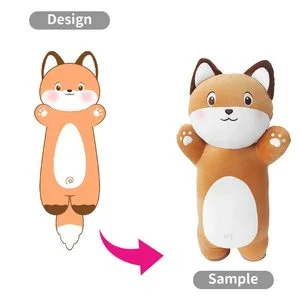
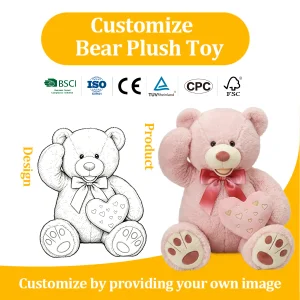
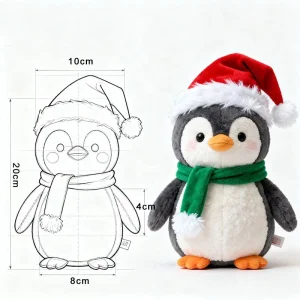
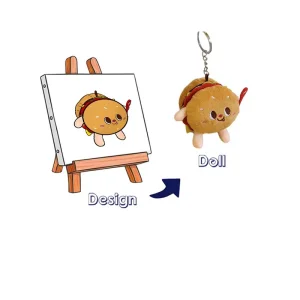
Transforming a flat two-dimensional design into a structured, expressive three-dimensional plush toy requires deep spatial engineering skill. Master pattern designers in Chinese hubs have decades of combined experience, allowing them to balance fabric tension and stitch strength.
Modern Chinese plush toy factories utilize automated laser fabric cutting, computerized embroidery machines, automated cotton stuffing injection, and metal detection lines. Technology ensures production consistency, precision, and safety.
The custom plush market is evolving beyond simple plush toys to prioritize sustainability, safety, and brand connection. Modern buyers are looking for solutions that align with shifting global consumer expectations.
Sustainability has shifted from a niche feature to a key procurement requirement. Leading organizations are requesting post-consumer recycled fabrics like rPET polyester, organic cotton, and biodegradable fiber fills. Using GRS-certified (Global Recycled Standard) materials allows brands to reduce their environmental impact. Chinese factories have adapted by securing supply chains that provide verified, non-toxic, eco-friendly textiles that meet global regulatory and ESG requirements.
The rise of pop-culture collectibles and designer plush toys demands precise manufacturing tolerances. Complex embroidery, custom hair patterns, and integrated mechanical joints require strict quality control. Prototyping must capture the subtle emotional details of the characters, ensuring consistency from initial design to final mass-market release.
The modern consumer expects interactive designs. Plush toys now incorporate heating packs, weighted internal pellets for sensory therapy, sound chips, and LEDs. Integrating electronics within soft toys requires specialized electrical safety testing, custom battery housing, and child-safe closures to ensure compliance with global toy safety regulations.
Inside our advanced manufacturing workshops, quality inspection labs, and raw materials warehousing.
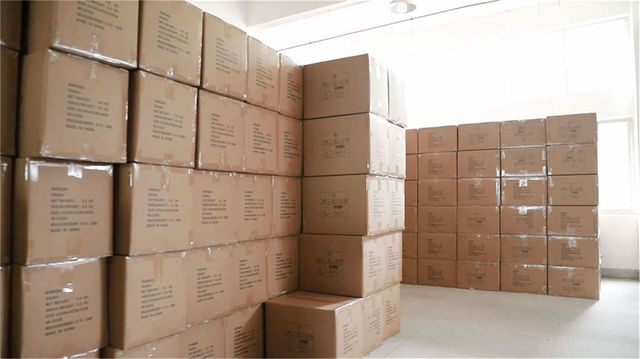
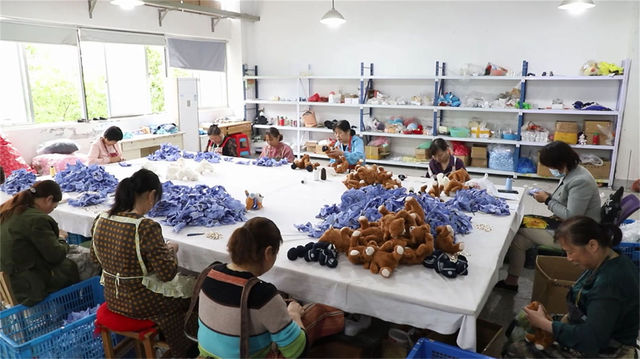
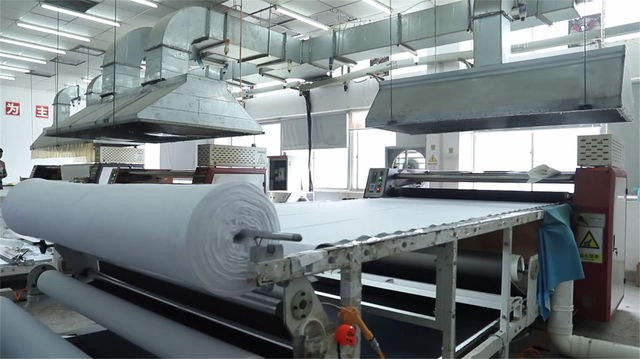
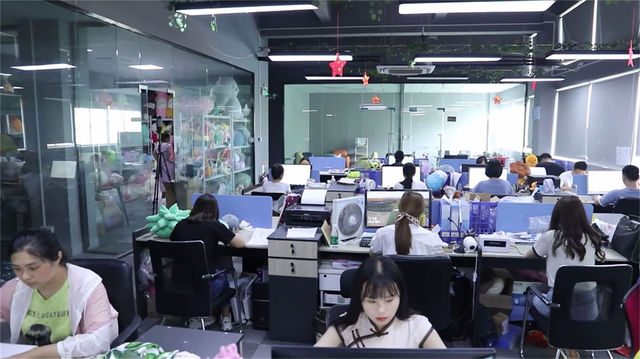
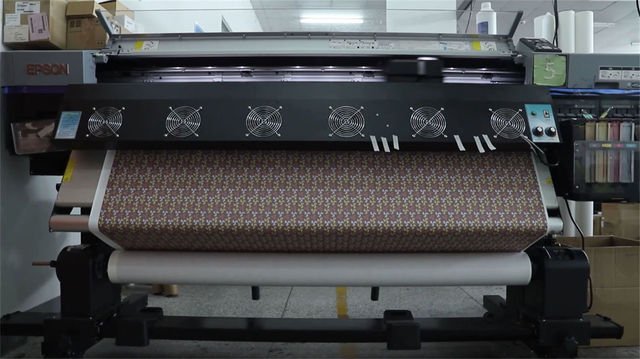
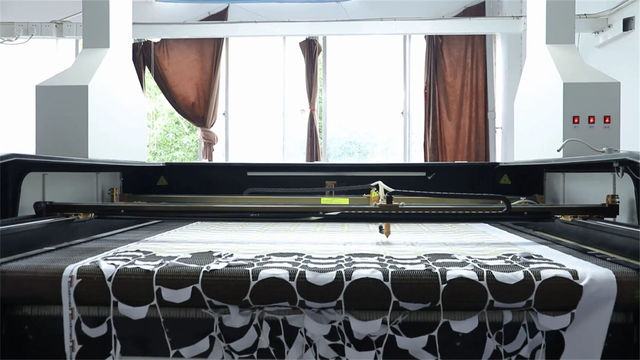
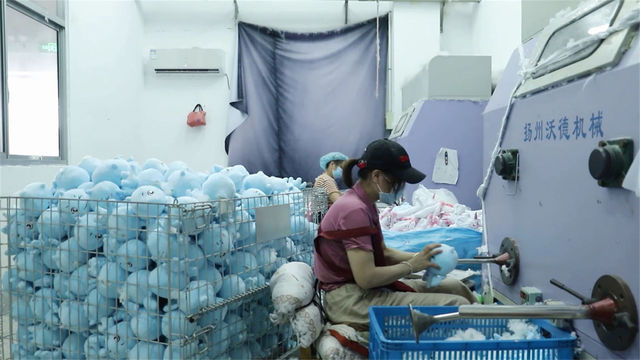
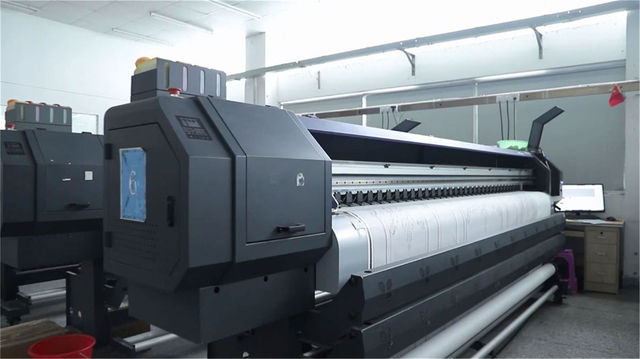
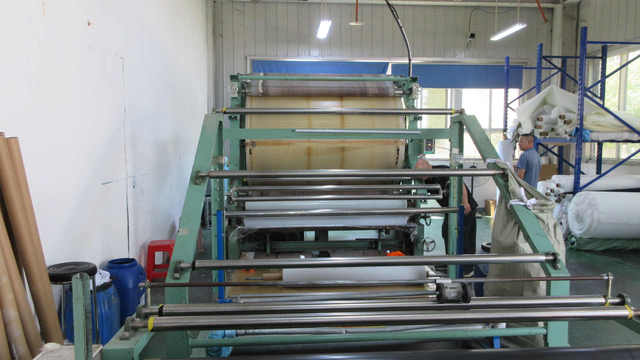
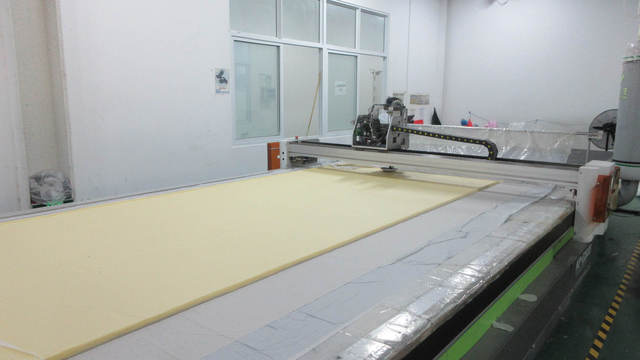
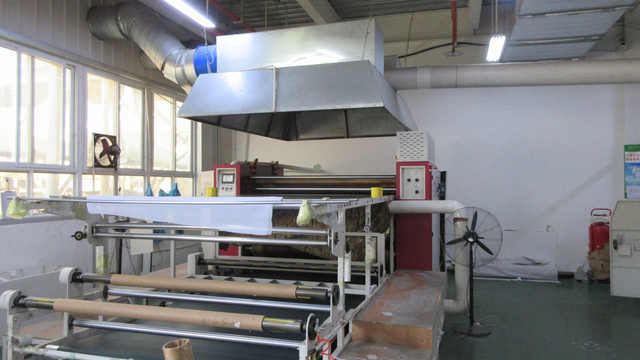
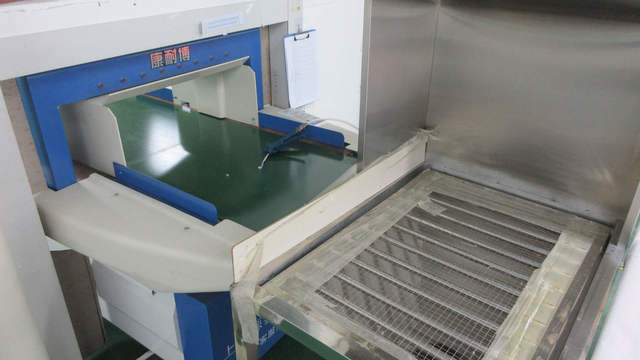
Sourcing custom plush toys requires compliance with strict safety standards. Standardized production procedures must prevent contamination, chemical exposure, and mechanical failure. Top manufacturers utilize dedicated testing pipelines to meet global safety expectations:
Plush toys must withstand play without presenting physical hazards. Key tests include tensile testing on all seams to prevent access to internal stuffing, torque/tension tests for eyes and attachments, and drop tests to verify the durability of hard parts.
Compliance with standards like EN71 Part 2 (EU) and ASTM F963 (US) flammability codes is required. Premium fabrics are selected to ensure a low flame spread rate, reducing flammability risks.
Materials used—from exterior fabrics to internal fillings and sewing threads—must be free of harmful chemical residues. Sourcing requires screen-testing raw materials for azo dyes, phthalates, flame retardants, and lead. OEKO-TEX Standard 100 certification provides an extra layer of material assurance for pediatric products.
To protect end consumers, high-quality factories run every product through high-frequency needle detectors. This system scans the finished plushies for broken sewing needle fragments or metallic debris before shipping.
Translating a creative design into a mass-produced, retail-ready custom plush toy involves structured development checkpoints:
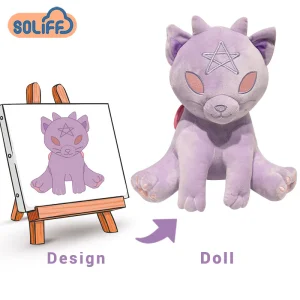
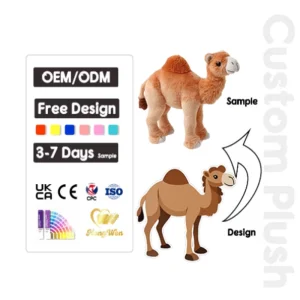
Clients provide character concepts, vector illustrations, or physical prototypes. Our pattern engineering team reviews these to optimize seam lines, material volume, and manufacturing feasibility.
We select suitable fabrics—such as soft velour, PV fleece, coral fleece, or RPET—based on the client's specifications for texture, durability, and cost. We also match color codes using Pantone guides.
Our sample team creates initial physical prototypes. These allow clients to evaluate the shape, weight, and features of the design, and request adjustments before approving production.
Once mass production is complete, all items go through final quality control, including metal detection and pull tests. We then package the goods according to the client's requirements, using custom retail hangtags, polybags, or display boxes.
Common questions from global sourcing managers, distributors, and brands.
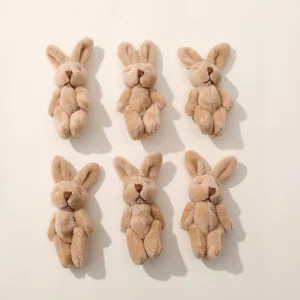
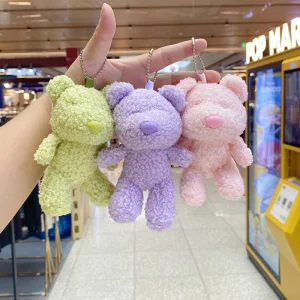
Explore our collectible keychains, customized mascots, and high-end limited-edition designs.
 STTY Toys