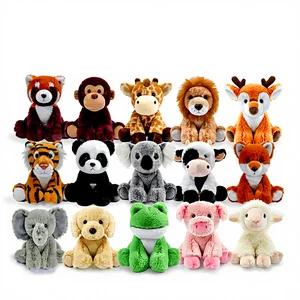
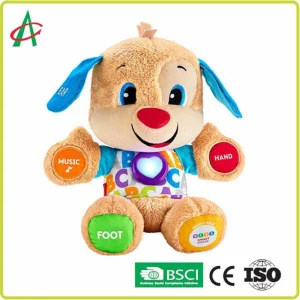
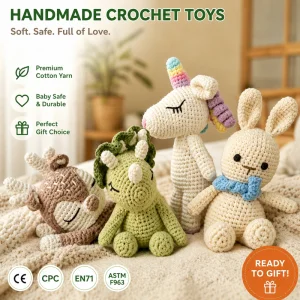
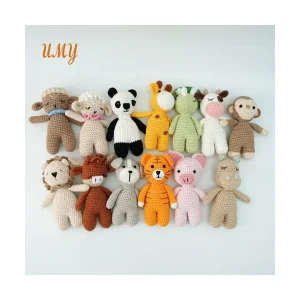
High-quality, compliant baby plush and interactive play products sourced directly from our certified manufacturing lines.
Analyzing the shift toward highly regulated, eco-conscious, and developmentally targeted infant play products in the global B2B procurement sector.
The global baby play toy industry operates under some of the most rigorous regulatory framework systems in B2B commerce. Standard materials must meet international benchmarks such as ASTM F963 (USA), EN71 (Europe), and CPC (Children's Product Certificate). High-tier factories incorporate strict chemical restriction lists (REACH) to guarantee the complete exclusion of phthalates, heavy metals, and flame retardants from touchpoints.
Today's consumer intent focuses intensely on baby products that promote active sensory play and early cognitive milestone achievements. Procurement lines are rapidly evolving from static stuffed animals to multisensory systems involving sound modules, contrasting visual shapes, and varied tactile surfaces (such as crochet, fleece, and organic canvas) designed for early infancy developmental stages.
The global macroeconomic shift has made manufacturing reliability a key differentiator. Global brands seek partners who balance agile product cycles with volume stability. Manufacturers that manage all phases in-house—from design blueprints and initial embroidery setup to shipping logistics—are securing the majority share of B2B toy partnerships.
Understanding how localized raw material ecosystems, specialized labor, and advanced technology combine to produce high-quality plush toys efficiently.
Dongguan, located in the heart of China’s Pearl River Delta, stands as the unmatched world capital for plush and educational toy production. This regional cluster offers unparalleled industrial integration. A factory can secure premium-grade short-pile plush, high-resilience PP cotton, custom IC sound chips, and eco-certified dye agents within a 20-mile radius. This dense supply chain ecosystem significantly reduces transit times and helps mitigate material cost fluctuations.
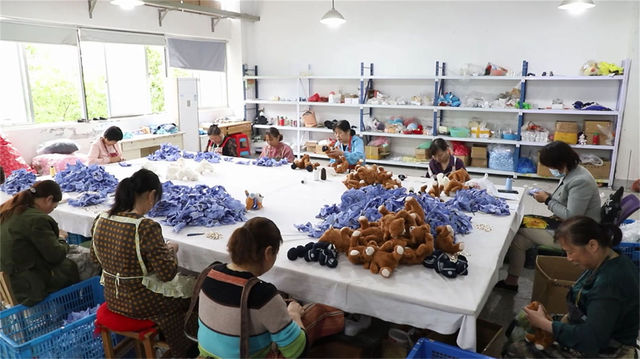
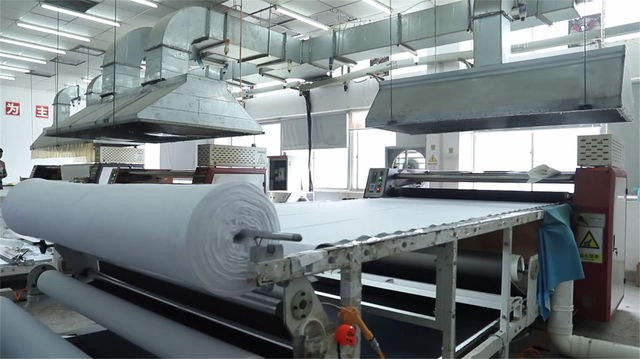
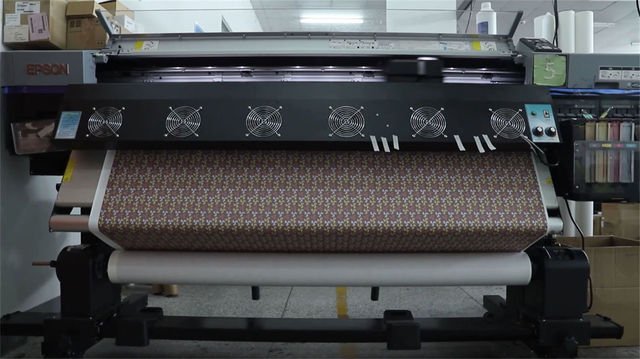
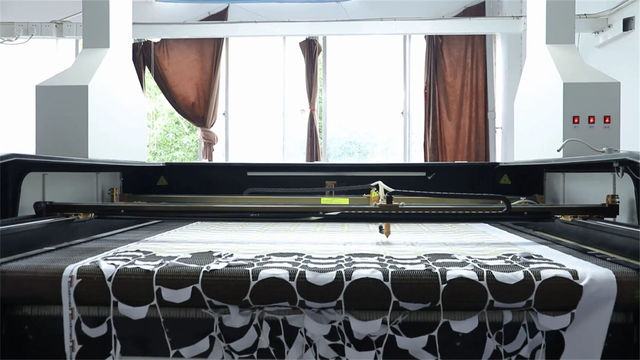
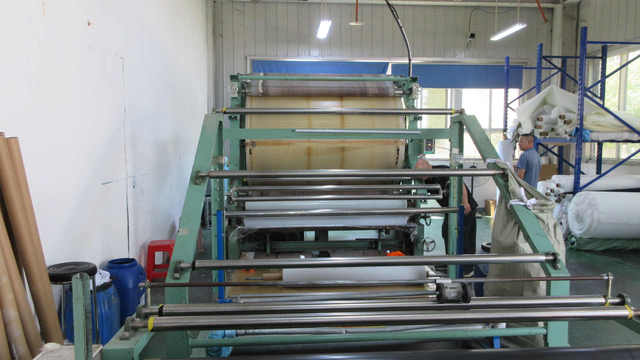
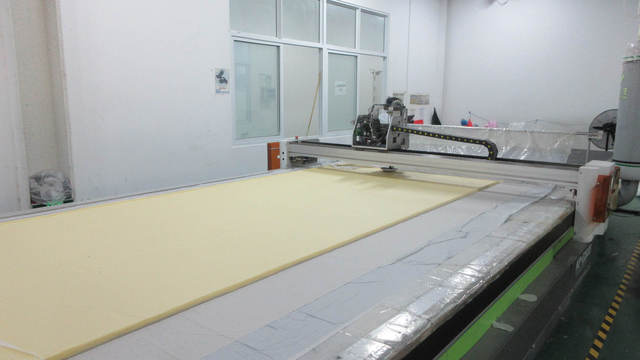
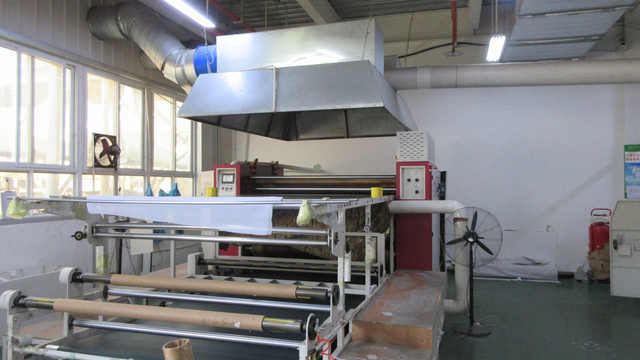
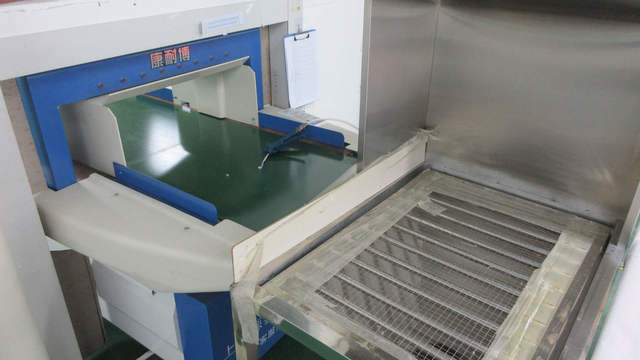
In this competitive landscape, Dongguan STTY Toys Co., Ltd. has emerged as a premier manufacturer, engineering baby-safe, retail-ready plush solutions for global brands. Our facility bridges the gap between hand-guided craftsmanship—essential for the detailed stitching and symmetry of plush faces—and advanced technology. We utilize automated fabric lasers, computerized multi-head embroidery systems, and metal-detection scanners to deliver consistent, bulk-manufactured products that meet international safety standards.
Dongguan STTY Toys Co., Ltd. is a professional China plush toy manufacturer specializing in custom stuffed animals, promotional plush toys, educational plush products, and private-label soft toy solutions for global customers. With years of experience in plush toy design, development, and manufacturing, we are committed to delivering high-quality products that combine creativity, safety, comfort, and market appeal.
Our extensive product portfolio includes stuffed animal toys, custom plush toys, character plush toys, mascot plush toys, baby plush toys, educational plush toys, promotional gifts, collectible plush toys, holiday-themed plush products, and personalized soft toys. Designed with attention to detail and crafted using premium materials, our plush toys are suitable for retail brands, toy distributors, gift companies, educational organizations, theme parks, and promotional campaigns.
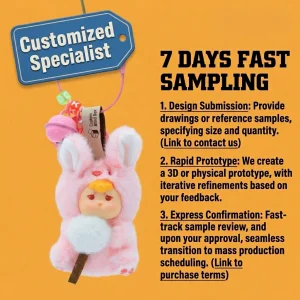
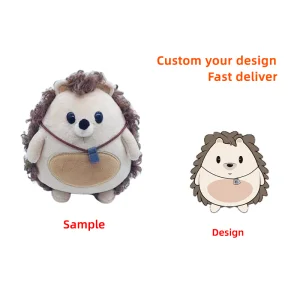
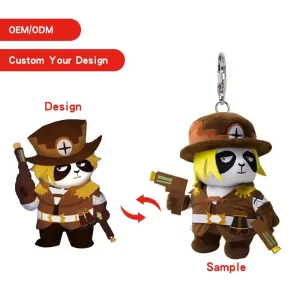
At STTY Toys, we understand that every brand has unique requirements. Our experienced design and engineering teams provide comprehensive OEM and ODM services, supporting customers from concept development and prototype creation to mass production and packaging. We work closely with clients to transform creative ideas into high-quality plush products that align with market trends and brand objectives.
Quality and safety are fundamental to our manufacturing process. We implement strict quality control procedures throughout production and use carefully selected materials to ensure product consistency, durability, and compliance with international safety standards. Our modern manufacturing facilities and skilled workforce enable us to efficiently manage projects of various sizes while maintaining reliable lead times.
Serving customers across North America, Europe, Southeast Asia, the Middle East, and other international markets, Dongguan STTY Toys Co., Ltd. has earned a reputation for dependable manufacturing, flexible customization capabilities, and excellent customer service. We are dedicated to becoming a trusted global partner for innovative plush toy solutions that bring creativity, comfort, and lasting value to consumers worldwide.
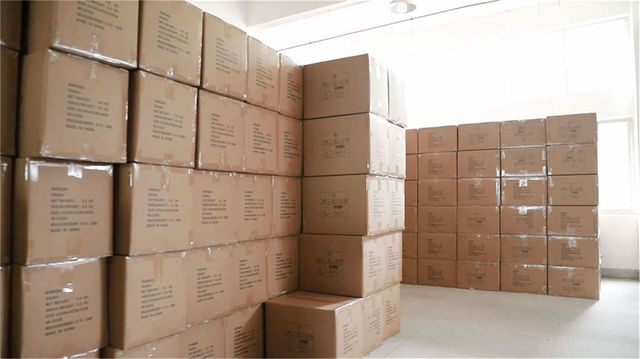
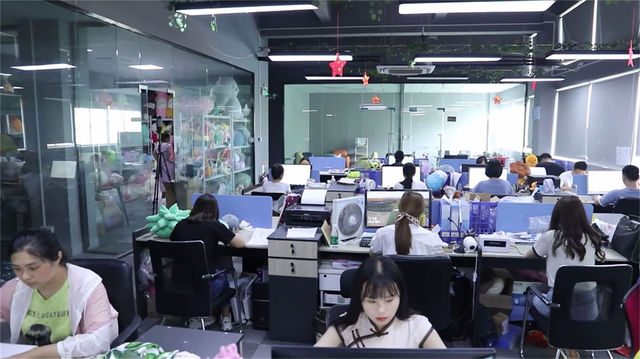
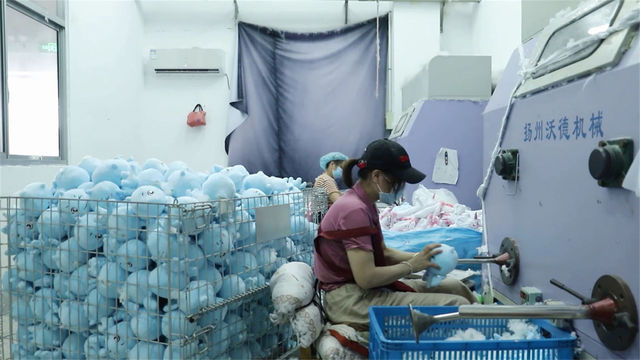
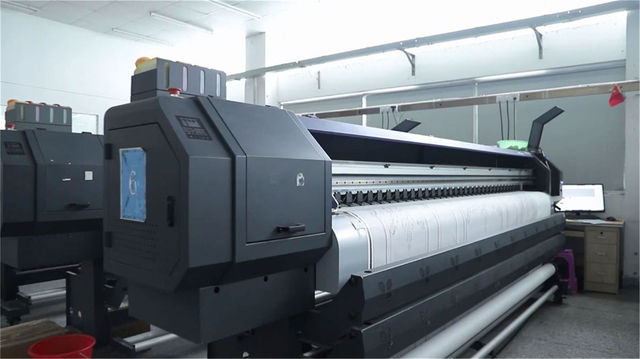
Take a look inside our clean-room sewing zones, raw material testing areas, and extensive design labs.
A systematic guide for sourcing directors to verify factory credentials, minimize supply chain risks, and ensure product quality.
A reputable factory should maintain up-to-date ISO 9001 certificates, along with audit reports from organizations like ICTI (International Council of Toy Industries) or BSCI. Sourcing teams should request original test reports from third-party institutions (such as SGS, Intertek, or BV) to verify that raw fabrics, threads, plastic eyes, and fillers meet regulatory standards.
Safety is a critical priority in plush toy manufacturing. Look for facilities that employ multi-stage inline metal detection. During this process, every completed stuffed item passes through a high-frequency conveyor-based metal detector to ensure no broken needles or metallic tools remain within the toys.
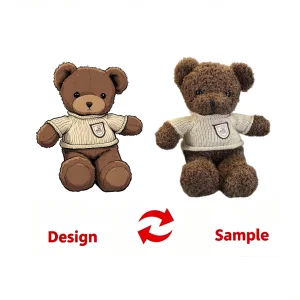
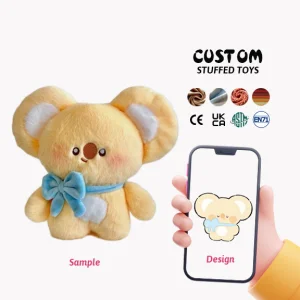
Top-tier manufacturers stand out through their ability to translate 2D conceptual artwork into structured 3D plush designs. Sourcing managers should evaluate a manufacturer's design capability by reviewing their library of existing mockups. This helps gauge their proficiency in material selection, structural integrity, and proportion mapping.
How evolving consumer preferences and technological shifts are driving changes in material science and toy design.
Eco-conscious sourcing is growing rapidly. Global brands are transitionally shifting toward toys constructed from RPET (recycled polyethylene terephthalate) yarns, organic cotton, and bamboo fibers. These materials help lower the overall carbon footprint of manufacturing and appeal directly to environmentally conscious consumers.
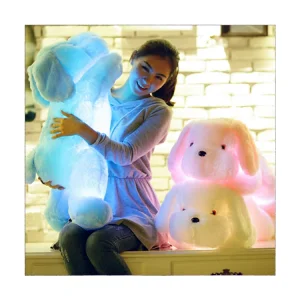
Integrating low-voltage, child-safe electronic components into plush toys is a growing trend. From soothing LED glows to interactive sound modules that play nursery songs, modern baby toys increasingly blend traditional textiles with gentle technology to support early sensory development.
The blind-box concept has expanded from youth collectibles into the infant and toddler segments. Brands are developing collectible characters and themed plush series, utilizing compact, lightweight designs that optimize retail counter space and shipping volume.
Expert answers to common questions about baby play toy manufacturing, safety compliance, and B2B sourcing.
Discover more of our top-selling custom products, designed for safety, durability, and retail appeal.
 STTY Toys