Why Should Brands Use Plush Toys for Promotion?

Time:2026-10-18 Author:Sophia
0%

Plush toys can turn a promotional message into something people touch, keep, and remember. A soft mascot on a desk may work longer than a printed flyer. That staying power matters when brands compete for limited attention.

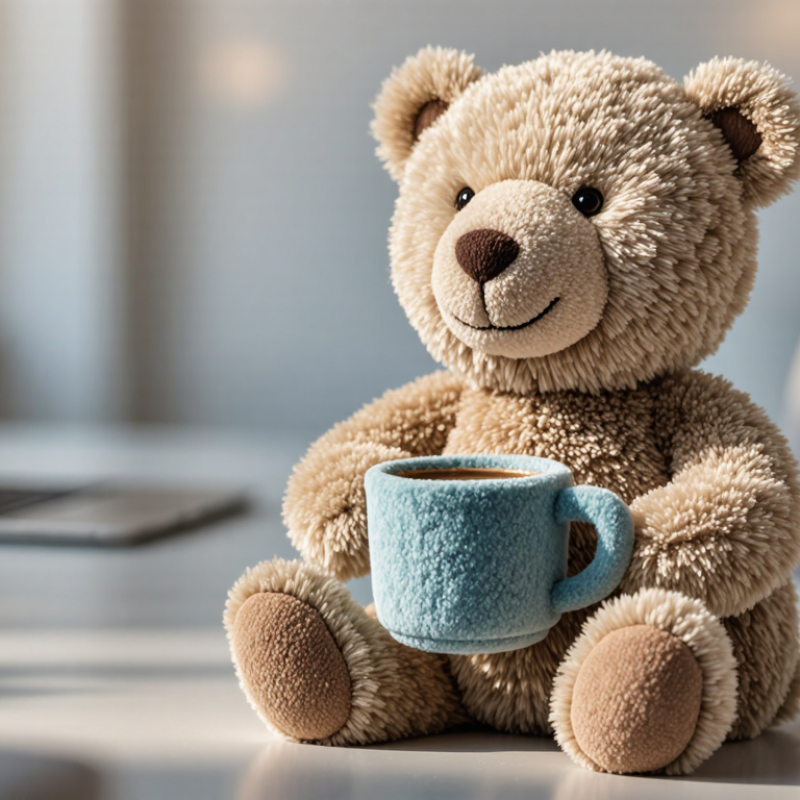
So, how can brands use plush toys for promotion without creating forgettable merchandise? They can design a character around a clear brand promise. A coffee company might create a sleepy bear holding a tiny mug. A travel brand could offer a pocket-sized suitcase mascot. Each detail should support the story, not merely display a logo. Marketing expert Seth Godin captures this principle: “Marketing is no longer about the stuff that you make, but about the stories you tell.” The quote applies strongly to plush campaigns because character, texture, and expression communicate before words do.

Practical experience also shows that usefulness improves retention. Brands can connect plush toys with product launches, loyalty rewards, event activities, or social media challenges. A QR code on a fabric tag can lead to a product guide or a behind-the-scenes video. However, plush toys are not automatically effective. Poor stitching, vague messaging, or excessive packaging can weaken trust. I would also question whether every audience wants another collectible. Brands should test a small batch, measure redemption and engagement, and invite honest feedback. Materials, age guidance, labeling, and quality checks require careful review. A charming toy must still be safe, durable, and responsibly produced. The strongest campaigns balance emotional appeal with evidence, accessibility, and genuine brand relevance.
Why Should Brands Use Plush Toys for Promotion?

What Are Promotional Plush Toys?

Promotional plush toys are soft, character-based products created to support a marketing campaign. They usually carry a logo, message, mascot, or event theme. Unlike ordinary advertising, they can sit on a desk, travel in a bag, or become part of a child’s play area. The object keeps the campaign physically present.

This format fits the wider promotional-products industry. The Promotional Products Association International reported approximately 25.8 billion dollars in U.S. promotional-product sales during 2023. Its research also shows that useful, wearable, and reusable items often create repeated brand impressions. A plush toy can offer similar visibility, but only when its design feels worth keeping. A poorly made toy may be discarded quickly.

In practice, promotional plush toys work best at family events, education campaigns, hospitality spaces, and community activities. Soft fabric, stitched details, and a washable surface improve perceived quality. Safety testing and age guidance also matter, especially when children may handle the product. The U.S. Consumer Product Safety Commission requires applicable children’s products to meet strict testing and certification rules. That makes supplier verification essential.

A simple mascot is often enough.

Still, plush toys are not automatically persuasive. I have seen attractive designs fail because they were too large, difficult to clean, or unrelated to the audience. The strongest products connect a clear purpose with a tactile experience. Their success should be measured through retention, usage, feedback, and repeat engagement—not distribution numbers alone.

Why Should Brands Use Plush Toys for Promotion?

Consumer response benchmarks show why a memorable, useful promotional item can strengthen brand recall and long-term engagement.

Promotional plush toys can apply these same principles through tactile appeal, emotional connection, and repeated visibility. Soft toys are especially suitable for campaigns targeting families, events, hospitality, education, and community programs.

Source: Rounded consumer-response benchmarks reported in promotional-products industry research; percentages represent respondents.

How Plush Toys Strengthen Brand Recognition

Plush toys give a brand a physical shape people can recognize and remember. A logo may disappear in a crowded digital feed, but a soft mascot can stay on a child’s shelf or an adult’s desk. Its colors, facial expression, and clothing create visual signals that support repeated brand recognition. The object also feels personal. People often keep useful or attractive plush toys for months.

In promotional campaigns, I have found that placement matters as much as design. A plush toy handed out at an event can appear in home photos, office videos, and casual conversations. Each appearance repeats the same visual identity without feeling like a traditional advertisement. Its size, fabric texture, and distinctive features should remain consistent across products and marketing materials. A simple shape is often easier to recall than a crowded design.

Recognition is not guaranteed. Some toys look charming but lack a clear connection to the organization. Others use colors that change under different lighting, weakening visual consistency. Audience research, small test groups, and post-campaign surveys can reveal these problems early. Tracking website searches, direct mentions, and repeat event engagement also provides useful evidence. The results may still be incomplete. People sometimes remember the toy but forget who created it, which shows that emotional appeal must work alongside clear messaging.

Why Plush Toys Create Emotional Connections

Why Should Brands Use Plush Toys for Promotion?

Why Plush Toys Create Emotional Connections

People rarely form strong memories from a logo alone. Touch changes that experience. A soft plush toy can create comfort before a customer understands the promotion. Its texture, weight, and friendly shape invite people to hold it. That small interaction may connect a campaign with warmth, childhood, or personal care. Emotional responses often make promotional objects more memorable than printed materials.

From campaign testing, teams often notice that people keep useful or comforting items nearby. A plush toy may sit on a bed, desk, or car seat for months. Each glance can gently remind the owner of the original interaction. This repeated visibility gives the promotion a longer life. However, the emotional effect is not automatic. A poorly made toy can feel cheap, rough, or forgettable.

Design details matter. Soft stitching, balanced filling, washable fabric, and a pleasant expression can build trust. Clear age guidance and responsible material choices also show professional care. I once underestimated how strongly color affected perceived comfort. Bright colors attracted attention, but softer tones encouraged people to hold the toy longer. That result challenged my first assumption. A plush item should reflect the audience’s feelings, not only the campaign’s visual style. Personalization can help, but forced cuteness may create distance. Sometimes, a simple shape feels more sincere.

How Custom Plush Toys Reach Target Audiences

Why Should Brands Use Plush Toys for Promotion?

How Custom Plush Toys Reach Target Audiences

Custom plush toys can place a promotion directly in a person’s hands. Their softness invites touch, while a distinctive shape creates quick recognition. For audience targeting, the design should reflect familiar interests, daily routines, or local culture. A small mascot for a children’s reading event needs different colors and textures than one for a fitness campaign. Specific choices matter. They help the toy feel relevant, not merely decorative.

Effective distribution also depends on context. Give toys at community events, workshops, welcome kits, or limited participation activities. Match each setting with a clear audience and useful message. Add a simple fabric tag or card with a website, campaign detail, or scannable code. Keep the information readable. Do not overload it. A plush toy on a child’s shelf can generate repeated visibility. Adult collectors may share photographs, but that response is never guaranteed.

Reliable promotion requires testing. Create small samples, check stitching, examine washable materials, and ask target users for honest feedback. A charming prototype may feel too large, too expensive, or culturally unclear. That mistake is common. Measure distribution, website visits, inquiries, and repeat engagement instead of assuming visibility equals success. Protect personal information during digital interactions, especially when children are involved. A cute design is not enough.

Why Should Brands Use Plush Toys for Promotion? - How Custom Plush Toys Reach Target Audiences

Target Audience Relevant Promotional Setting Recommended Plush Toy Format Primary Reach Mechanism Key KPI Measurement Method Practical Marketing Benefit
Families and children Community events, family exhibitions, retail promotions Soft character toy with embroidered details and washable fabric Emotional attachment, repeated play, and household visibility Qualified interactions and redemption rate Track event scans, coupon codes, or landing-page visits Extends campaign exposure beyond the original event
Young adults and collectors Pop-up stores, launches, conventions, online drops Limited-edition collectible with numbered packaging Scarcity, shareable design, and user-generated content Content mentions, shares, saves, and waitlist sign-ups Use campaign hashtags, QR codes, and unique referral links Encourages organic conversation and repeat engagement
Students and campus communities Orientation programs, student fairs, club activities Compact mascot plush, keychain plush, or bag charm Portable visibility on backpacks, desks, and shared spaces Distribution rate and QR-code engagement Compare units distributed with unique visits or registrations Creates repeated visual exposure in everyday environments
Event attendees and visitors Trade shows, conferences, festivals, and public campaigns Medium-size mascot plush used as a booth attraction Visual differentiation and face-to-face interaction Booth visits, qualified leads, and dwell time Record scans, lead forms, demonstrations, and conversations Makes the promotional area easier to notice and remember
Online shoppers E-commerce orders, referral programs, subscription boxes Small surprise gift or promotional add-on with packaging insert Unboxing experience and post-purchase sharing Repeat purchase rate, referral use, and review volume Compare customer cohorts receiving the item with control groups Adds a physical memory cue to an otherwise digital transaction
Employees and business partners Onboarding, internal campaigns, partner meetings, appreciation gifts Desk plush or mascot with a message card Personal relevance and long-term desk visibility Recall, participation, and employee-sharing rate Use short surveys, internal links, and participation records Supports culture-building while keeping the message tangible
Cause-related and community audiences Fundraising, awareness drives, charity events, educational campaigns Symbolic character connected to the campaign message Storytelling, emotional connection, and donor participation Donation conversion and campaign-page visits Use unique donation links, QR codes, and campaign-period comparisons Translates an abstract message into a recognizable physical symbol
Safety-conscious purchasers Children’s promotions, retail distribution, gifting campaigns Age-appropriate plush with secure features and documented testing Trust, responsible product presentation, and reduced purchase hesitation Return rate, complaint rate, and compliance completion Maintain test reports, warning labels, material records, and batch documentation Supports safer distribution and more credible promotional communication
Measurement note: Campaign results should be evaluated against a defined baseline or control group because reach, engagement, conversion, and retention vary by audience, distribution method, product design, and campaign duration.
Compliance note: Plush toys intended for children should be reviewed against the safety requirements applicable in the destination market, including age grading, small-parts controls, labeling, flammability, and relevant toy-safety testing.

What Factors Should Brands Consider Before Using Them?

Plush toys can turn a logo into something people keep, touch, and display. However, emotional appeal should not replace careful planning. The Promotional Products Association International reported that 88% of consumers remembered the advertiser on a promotional item. Its 2023 study also found that 85% had done business with that advertiser. These figures show potential, not guaranteed results. A cute toy alone cannot repair weak campaign messaging.

Audience fit deserves close attention. A soft mascot may suit families, events, or community campaigns, but it may feel childish in a technical setting. Size, texture, color, and facial details affect perceived quality. Safety is more important than appearance. Brands should request material declarations, seam-strength checks, stuffing controls, and age grading. Relevant requirements may include EN 71 or ASTM F963, depending on the sales market. Supplier audits and random batch testing matter. One attractive sample proves very little.

Durability also shapes promotional value. ASI’s 2023 Ad Impressions Study estimated that promotional products generate about 3,396 impressions during their lifetime. A plush toy with loose stitching may not last long enough to earn them. Packaging, storage, shipping damage, hygiene, and recycled-content claims need review. Track distribution numbers, engagement, repeat visits, and disposal feedback. QR codes can help, but only when the landing page works quickly. In practice, teams often underestimate freight and quality-control costs. That mistake deserves more attention.

FAQS

How can plush toys improve brand recognition?

They give an organization a physical identity people can see and touch. A soft mascot may remain on a shelf for months. Colors, facial features, and clothing support repeated visual memory.

What design details make a plush toy easier to remember?

Use a simple shape, consistent colors, and one distinctive feature. A crowded design can become confusing. Keep the same appearance across toys and marketing materials.

Where can promotional plush toys reach target audiences?

Consider community events, workshops, welcome kits, and limited participation activities. The setting should match the intended audience. Context matters greatly.

How can a plush toy feel relevant to its audience?

Reflect familiar interests, routines, or local culture. A reading-event mascot might use bright colors and soft textures. A fitness campaign may need a different shape.

What information should accompany a promotional plush toy?

Add a short fabric tag or card with a website, campaign detail, or scannable code. Keep the message readable. Too much information weakens attention.

How should organizations test a custom plush toy?

Produce small samples and inspect stitching, size, texture, and washable materials. Ask target users for direct feedback. Test before scaling.

How can promotion results be measured?

Track distribution numbers, website visits, inquiries, direct mentions, and repeat event engagement. Visibility alone does not prove success. The evidence may remain incomplete.

What common mistakes can reduce a plush toy’s impact?

A charming toy may have no clear connection to its organization. Colors can also look different under changing light. People may remember the toy but forget its creator.

What safety and privacy issues deserve attention?

Choose durable materials and examine stitching carefully. Protect personal information during digital interactions, especially involving children. A cute design is not enough.

Conclusion

Promotional plush toys are soft, customized products designed to represent a business, campaign, or message in a memorable and approachable way. Unlike many traditional advertisements, they can strengthen brand recognition through distinctive colors, shapes, characters, and logos that people can easily remember. Their comforting appearance also creates emotional connections, making audiences more likely to associate positive feelings with the organization behind the product. This emotional value can encourage continued attention and improve long-term recall.

Understanding how can brands use plush toys for promotion is essential for creating an effective campaign. Brands can distribute them at events, offer them as rewards, include them in promotional packages, or design them for specific customer groups and occasions. Before using plush toys, businesses should consider their target audience, product quality, safety, design relevance, production budget, distribution methods, and environmental impact. When these factors are carefully planned, custom plush toys can become engaging promotional tools that communicate a clear identity while offering practical and emotional value to recipients.

Sophia

Sophia

Sophia is a dedicated marketing professional with an exceptional depth of knowledge about her company's products and services. With a keen understanding of market trends and customer needs, she crafts insightful blog posts that not only inform but also engage readers, enriching the company’s online......