Storing plush toys can be a challenge. The aim is to keep them safe and dust-free. Knowing how to store plush toys safely is essential for their longevity. These beloved companions often hold sentimental value, and proper care can preserve their quality.
The right storage can prevent wear and tear. You can opt for clear bins to keep toys visible and protected. Avoid damp areas to prevent mold. Regular cleaning helps maintain their appearance. Remember, plush toys can absorb dust and odors, so consider using protective covers.
However, there may be moments of doubt. Are these methods truly effective? Do you really have the best practices in mind? It’s important to continue exploring new ideas. Learning how to store plush toys safely is a journey. Adapting your methods can lead to better results and ensure these cherished items remain in perfect condition.
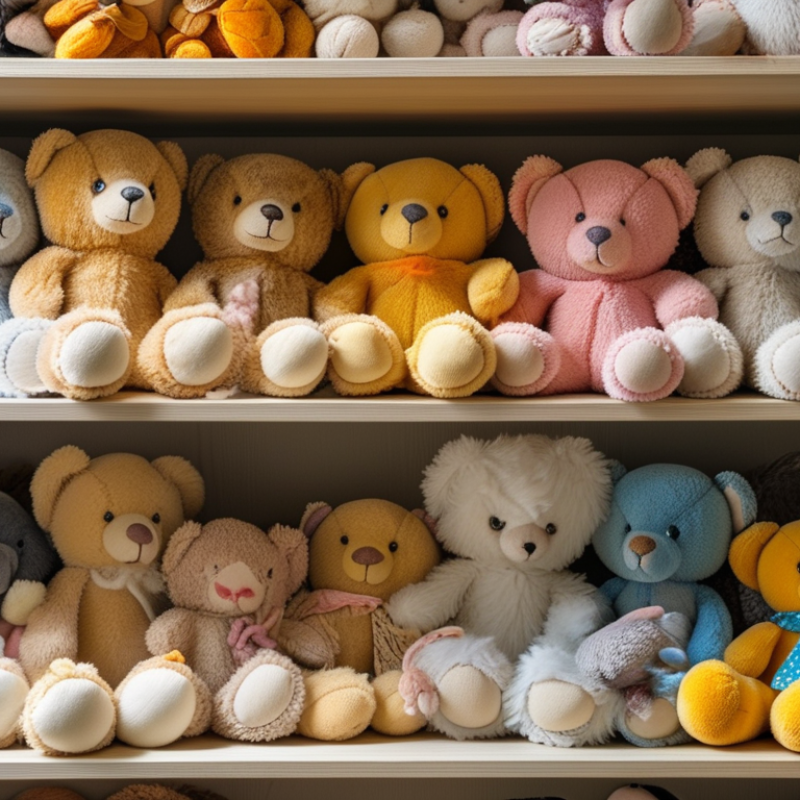
When it comes to storing plush toys, choosing the right storage container is crucial. Look for options made from breathable materials, such as cotton or canvas, to prevent moisture buildup. Plastic containers can trap humidity, leading to mold growth. A clear container allows you to see your collection easily. However, ensure it is sturdy enough to protect your toys.
Consider the size of your plush toys as well. Some containers are too small and can crush the toys inside. Alternatively, large containers can waste space. Opt for bags with zippers or bins with tight-fitting lids. This way, your toys stay protected while remaining easy to access. It's also important to select containers that fit your shelving or closet space. Unexpected dimensions can lead to frustration when trying to store them.
Keep in mind the location where you store the containers. Avoid areas with direct sunlight, as it can fade colors over time. Also, consider the temperature. Extreme heat or cold can damage the materials in your plush toys. Reflecting on these factors now can help preserve your cherished collection for years to come. Remember, protecting these toys requires consistent attention and care.
When it comes to storing plush toys, cleaning them properly is crucial. Dust and allergens can accumulate, making them less pleasant to handle. According to a report from the Environmental Protection Agency, indoor allergens can affect 30% of the population. Therefore, maintaining plush toys is more than just tidying up; it's about health.
Start by inspecting your plush toys for any signs of dirt or damage. Use a damp cloth and mild detergent to spot-clean as necessary. For plush toys that can withstand machine washing, place them in a pillowcase to minimize wear and tear. A study from the Textile Institute suggests that regular washing can significantly reduce dust mites, which thrive in soft furnishings.
Tips: Before preparing plush toys for storage, allow them to air dry completely to prevent mildew. Once dry, consider wrapping them in breathable fabric like cotton. Avoid plastic bags as they trap moisture. For long-term storage, keeping toys in a cool, dry place can help maintain their condition. Remember, good storage practices not only secure the toys but also ensure they remain safe for future play.
When storing plush toys, choosing the optimal location is crucial. Consider using a clean closet or a dedicated storage box. Both options shield them from dust while keeping them accessible. Ensure that the storage environment is dry to prevent mold. Avoid leaving toys in direct sunlight, as this can fade their colors.
Tips for keeping plush toys safe include using breathable fabric bags. These bags prevent dust accumulation while allowing air circulation. Remember to check for any signs of damage or wear regularly. Storing toys in a temperature-controlled area can also extend their lifespan.
Think about your space. You might have to get creative. Wall-mounted shelves can save floor space while displaying your favorite plush toys. It’s important to find a balance between visibility and protection. Keeping toys organized can also make clean-up easier. Evaluate your storage methods often. Ensure they meet your changing needs.
When it comes to storing plush toys, using protective covers is a key strategy for keeping them dust-free and safe. The American Cleaning Institute suggests that plush toys can accumulate dust and allergens, which may pose health risks, especially for children. According to a study published in Indoor Air journal, plush toys harbor dust mites which can lead to respiratory issues. Therefore, proper storage is essential.
Using breathable fabric covers protects against dust while allowing air circulation. Opt for materials like cotton or linen that are easy to wash. Remember to clean these covers periodically, ideally every 2-3 months, to minimize allergen buildup. Some parents opt for vacuum-sealed bags, but these should be used cautiously as improper sealing can trap moisture, leading to mildew.
Tip: Regularly inspect plush toys for signs of wear. If they show fraying or damage, it may be time to replace or repair them. Take a moment to think about where you store your toys. Keeping them in a damp or overly humid area can invite mildew too. Choose a dry, well-ventilated space to maintain your toys' integrity. Regular attention to cleanliness and storage practices can prolong the life of your plush companions.
Storing plush toys requires regular inspection and care. This ensures their longevity and keeps them clean. According to a report by the National Cleaning Association, about 80% of dust and allergens accumulate in stored items. Thus, neglecting care can lead to damaged toys and health issues.
Inspect plush toys every few months. Look for signs of wear, mildew, or pests. A thorough check helps you catch problems early. Clean toys with a damp cloth and mild detergent when needed. However, avoid soaking them to preserve their shape. Keeping toys in breathable containers reduces dust buildup.
Tips: Use airtight bins for long-term storage. Add silica gel packs to control humidity. Additionally, a regular rotation of displayed toys helps keep them in good condition. Remember, plush toys may need occasional repairs, especially if stitched areas are worn down. Failure to address these small issues now can lead to bigger problems later.
| Storage Method | Frequency of Inspection | Cleaning Method | Recommended Materials | Tips for Longevity |
|---|---|---|---|---|
| Airtight Containers | Every 6 months | Gentle vacuuming and spot cleaning | Plastic bins with lids | Keep in a cool, dry place |
| Fabric Bags | Every 3 months | Hand wash if necessary | Cotton or canvas bags | Avoid direct sunlight exposure |
| Shelving Units | Once a year | Light dusting with a microfiber cloth | Wood or metal shelves | Use soft barriers to prevent falling |
| Storage Boxes | Every 4 months | Spot cleaning and air drying | Cardboard or plastic boxes | Label boxes clearly for easy identification |
: Opt for breathable materials like cotton or canvas to prevent moisture buildup.
Use sturdy containers with zippers or tight-fitting lids to keep toys safe and accessible.
Cleaning removes dust and allergens, making toys healthier to handle and store.
Allow toys to air dry completely to prevent mildew before wrapping them.
Use breathable fabric covers like cotton or linen to protect against dust and allow air circulation.
Clean the covers every 2-3 months to minimize allergen buildup and maintain cleanliness.
Yes, but be cautious; improper sealing can trap moisture and promote mildew.
Avoid damp areas or places with direct sunlight, which can damage or fade toys.
Inspect them regularly; consider repairing or replacing any that are heavily damaged.
Extreme heat or cold can harm toy materials, so choose a climate-controlled environment.
To learn how to store plush toys safely, it is essential to follow a systematic approach. Start by choosing the right storage container that offers adequate protection against moisture and pests. Before packing them away, clean and maintain your plush toys to remove dust and any potential allergens. Optimal storage locations should prioritize safety and accessibility, ensuring that the toys are not only secure but also easy to retrieve when needed.
Additionally, using protective covers can keep your plush toys dust-free and safeguard them from other environmental factors. Regular inspection and care are crucial for ensuring the longevity of stored plush toys, allowing you to enjoy them for years to come. By adhering to these best practices, you can preserve the quality of your cherished plush collection.

STTY Toys