In a world where stress and anxiety are common, the question arises: how do plush toys provide emotional comfort? These soft, cuddly figures bring solace to many individuals across all ages. They often serve as sources of security, evoking feelings of nostalgia and warmth.
Research shows that the presence of plush toys can reduce feelings of loneliness. Children often bond with their stuffed friends, creating a support system during challenging times. Adults, too, may find comfort in these plush companions, helping to alleviate stress from daily life. While some may view this attachment as childish, it prompts reflection on the need for emotional support in all stages of life.
Plush toys embody not just play, but a deep emotional connection. They provide a safe outlet for expressing feelings that are sometimes hard to articulate. This illustrates how these cuddly figures can serve as more than mere toys, acting as a bridge to deeper emotional healing.
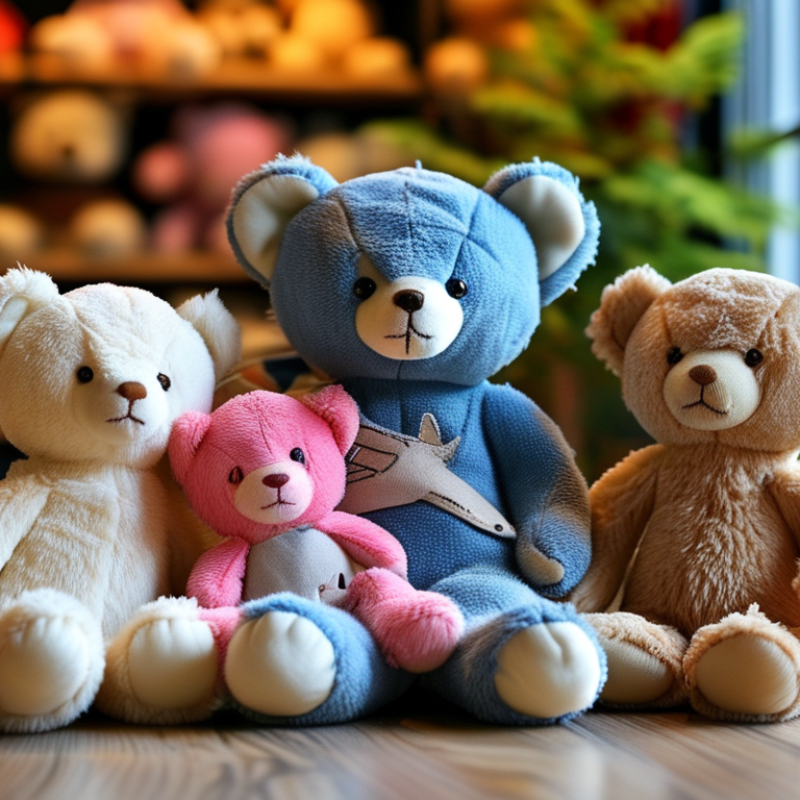
Plush toys are more than just soft, cuddly forms. They serve as emotional anchors for individuals across different life stages. For children, a plush toy often becomes a source of comfort during stressful moments. The texture and warmth provide a sense of safety. When a child hugs their favorite toy, it can alleviate fears, whether from a thunderstorm or a new school.
The emotional impact of plush toys is also relevant to adults. Many adults keep these toys from their childhood as symbols of nostalgia. They evoke positive memories and feelings of calm. Holding a plush toy during tough times can trigger feelings of security. The act of cuddling may lead to the release of oxytocin, the hormone related to bonding and comfort.
However, not everyone may find comfort in plush toys. Some may feel it’s a childish habit. This view can lead to a sense of isolation. Reflecting on personal attachments can reveal deeper emotional needs. Embracing such items can be a journey toward self-acceptance. A plush toy's role, thus, prompts an examination of our connections and emotional well-being.
Plush toys serve as a vital component of childhood development. Studies show that around 60% of children form strong attachment bonds with their stuffed animals. These bonds provide emotional security during crucial developmental stages. When children face new experiences, like starting school, plush toys act as comforting companions. They offer a sense of familiarity and safety, easing anxiety.
Playing with plush toys encourages imaginative play, which is essential for cognitive growth. A report from the American Academy of Pediatrics states that imaginative play enhances children's problem-solving skills. Furthermore, plush toys can be a source of emotional expression. Children often project their feelings onto their toys, enabling them to process complex emotions. This practice is particularly important as children learn to cope with negative feelings.
However, not all interaction leads to positive outcomes. Over-reliance on these toys can hinder social skills. Children may struggle to form real-life friendships if they deeply depend on their plush companions. Striking a healthy balance between playtime with toys and engaging with peers remains crucial. Awareness of this aspect can guide parents in fostering social development while allowing their children to enjoy the comfort plush toys provide.
Plush toys are often seen as children's companions, but their emotional benefits extend to teenagers and adults as well. Studies show that over 60% of adults report feeling comforted by soft toys during stressful times. These toys provide a sense of nostalgia and safety that can soothe anxiety and enhance emotional well-being. The tactile experience of hugging a plush toy releases oxytocin, a hormone associated with bonding and comfort.
For teenagers navigating the complexities of adolescence, plush toys can serve as portable comfort objects. A study published in the Journal of Positive Psychology highlights that individuals who engage with soft toys can experience a decrease in feelings of loneliness and an increase in happiness levels. The act of holding or cuddling can evoke pleasant memories and foster a sense of connection, even in social isolation.
Tips: Choose a plush toy that resonates with you personally. Look for ones that remind you of cherished memories or comforting experiences. Make it a habit to spend a few moments with your plush companion daily, especially during stressful times. This simple act can significantly impact your mood and emotional resilience. Remember, comfort objects are not a sign of weakness. They symbolize self-care and emotional support.
During stressful life events, plush toys can serve as unexpected sources of comfort. They often bring feelings of security and nostalgia. Holding a soft, cuddly toy can effectively soothe anxiety and fear. The texture and warmth of plush toys provide a tactile experience that calms the mind. Many people report feeling less alone when they hug their favorite plush companion.
These toys are not just for children. Adults also find solace in them. A plush toy can evoke childhood memories and simpler times. For an adult facing job loss or a breakup, this emotional connection is significant. It reminds them of love and care in tough times. However, relying too heavily on these objects may stall emotional growth, prompting individuals to reflect on their coping strategies.
In moments of distress, it's easy to overlook the deeper issues at play. Plush toys can mask feelings rather than address them. While they offer immediate relief, it’s important to recognize when professional help is needed. Ultimately, plush toys can be a stepping stone in the healing process, acting as a bridge to deeper emotions and recovery.
| Age Group | Common Stressors | Emotional Benefits | Coping Mechanisms |
|---|---|---|---|
| Children (3-12 years) | School pressures, family changes | Security, comfort, imaginative play | Hugging, storytelling, role-play |
| Teens (13-19 years) | Peer pressure, identity issues | Emotional release, solace | Meditation, journaling with toys |
| Adults (20-65 years) | Work stress, relationships | Nostalgia, relaxation | Stress relief, decoration |
| Seniors (65+ years) | Loneliness, loss of loved ones | Comfort, companionship | Cuddling, reminiscence therapy |
Plush toys play a significant role across various cultures, providing emotional comfort and companionship. They create a safe space for expressing feelings. Many people have fond memories of childhood toys that helped during tough times. These memories influence adults as they seek comfort in plush toys, highlighting their timeless appeal.
Tips for choosing the right plush toy: Look for one that resonates emotionally. A toy with a familiar look or texture can trigger positive memories. Color and design can also enhance emotional connections. Sometimes, even a vintage toy can bring solace.
The societal influence of plush toys is remarkable. In many cultures, they symbolize childhood innocence and warmth. They often serve as transitional objects, helping individuals cope with changes. Yet, there is a paradox: reliance on plush toys may hinder emotional growth for some. One must reflect on the balance between comfort and dependence.
: Plush toys play a vital role in childhood development, helping children form attachment bonds and providing emotional security.
They act as comforting companions, offering familiarity and safety during stressful transitions, like starting school.
Yes, imaginative play with plush toys enhances problem-solving skills and encourages cognitive development in children.
Children often project their feelings onto toys, enabling them to process complex emotions and cope with negativity.
Over-reliance on plush toys can hinder social skills and make it harder for children to form real-life friendships.
Yes, adults often find comfort in plush toys, associating them with nostalgia and emotional relief during tough times.
Excessive reliance on plush toys may mask underlying emotional issues, preventing personal growth and healing.
If plush toys are used to escape from deeper feelings, recognizing the need for professional support becomes crucial.
The tactile experience of hugging a plush toy can soothe anxiety and bring feelings of security in stressful situations.
Yes, finding a healthy balance allows children to enjoy comfort while still engaging with peers for social development.
Plush toys have long been cherished companions across generations, offering profound emotional comfort. The article explores how plush toys provide emotional comfort by delving into the psychological foundations of attachment and the role these comforting objects play in childhood development and emotional support. For children, plush toys serve as safe havens that aid in the exploration of emotions and social skills, while for teenagers and adults, these soft companions can enhance emotional well-being, providing solace during times of stress.
Furthermore, plush toys are increasingly recognized for their role in coping mechanisms during stressful life events, helping individuals process difficult emotions. The cultural and societal contexts surrounding plush toys also highlight their significance in emotional comfort, emphasizing how these beloved items transcend age barriers. Ultimately, understanding how plush toys provide emotional comfort illuminates their essential role in fostering resilience and emotional health throughout life.

STTY Toys