How are Plush Toys Made in 2026?

Time:2026-06-17 Author:Ethan
0%

In 2026, the art of creating plush toys has evolved significantly. The process raises many questions. One of the most common is: how are plush toys made? Understanding this process reveals a blend of creativity and technology. From initial designs to the final finished product, each step holds importance.

Today, manufacturers use advanced techniques to ensure quality and safety. However, not every toy meets the mark. Sometimes, companies rush production or ignore safety standards. This can lead to subpar products. It’s crucial to reflect on these practices to improve quality.

Moreover, consumer preferences play a role in how are plush toys made. Eco-friendly materials are becoming popular. Yet, not all companies prioritize sustainability. Some remain focused solely on profit. This inconsistency in production processes can affect reliability. Thus, it is essential to prioritize both ethics and quality in toy manufacturing.
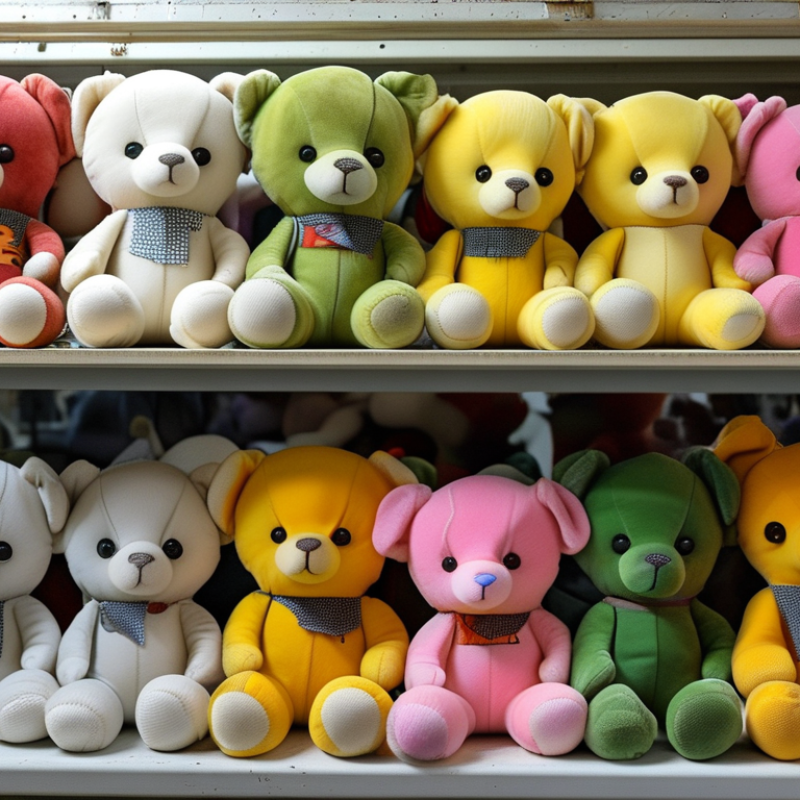
How are Plush Toys Made in 2026?

The Evolution of Plush Toy Production Techniques in 2026

In 2026, the production of plush toys has dramatically evolved, integrating advanced technology with traditional craftsmanship. Automated sewing machines enhance precision, allowing for complex designs that were once impossible. Every detail, from stitching to stuffing, now has a touch of innovation. Digital fabric printing brings vivid colors and intricate patterns to life, making plush toys more appealing to children and collectors.

However, the reliance on technology raises concerns about sustainability. Many manufacturers are exploring eco-friendly materials, such as recycled fabrics. This shift is vital as consumers demand more environmentally responsible products. Still, finding the balance between efficiency and sustainability presents challenges.

Tips:

  • Consider the quality and longevity of plush toys when choosing them.
  • Sustainable options are a plus.
  • Always check for non-toxic materials to ensure safety for children.
  • Reflect on the importance of craftsmanship; a handmade toy often carries a unique charm that machines cannot replicate.

Materials Used in Modern Plush Toy Manufacturing

In 2026, the art of plush toy manufacturing employs a variety of innovative materials. Soft fabrics, like organic cotton and bamboo, are popular due to their eco-friendly nature. These materials ensure safety for children, promoting responsible sourcing. Plush toys made with non-toxic dyes align with modern safety standards.

Manufacturers are also exploring renewable resources. Some use recycled plastics to create stuffing and fillings. This method not only reduces waste but also appeals to environmentally-conscious consumers. However, the balance between sustainability and cost remains a challenge.

Tips: Always check the labels. Ensure that toys are made from safe materials. Look for certifications that guarantee quality and safety. This can help with informed purchases.

In addition, some manufacturers are incorporating smart technology into plush toys. Soft speakers and sensors can enhance playtime. Yet, this brings concerns about data privacy. It’s essential for parents to stay informed about what’s inside these toys. Monitoring advancements in plush toy materials is crucial for making responsible choices.

The Role of Technology in Designing Plush Toys

In 2026, technology is transforming the design of plush toys. Advanced software enables designers to create intricate patterns quickly. 3D modeling tools allow for realistic visualizations. Designers can see how materials will interact without physical prototypes. It accelerates the design phase, leading to innovative shapes and textures.

One exciting trend involves integrating smart technology. Plush toys can now respond to touch or voice commands. This adds an interactive layer that captivates children. These 'smart plushies' often require careful consideration of safety and durability. Designers must think about how the electronics will function within soft materials.

Tips: Always prioritize safety when integrating tech into plush toys. Ensure electronics are securely embedded. Testing prototypes is crucial to avoid potential malfunctions. Additionally, seek feedback from parents and children. Their insights can guide improvements and enhance user experiences. Creating plush toys in 2026 means balancing innovation with practicality.

Sustainability Practices in Plush Toy Creation

In 2026, plush toy manufacturing is increasingly focused on sustainability. The industry has recognized the importance of eco-friendly materials. Reports estimate that around 65% of plush toys are now made from recycled fabrics and organic cotton. These materials reduce environmental impact and appeal to eco-conscious consumers.

The production process itself is being optimized for sustainability. Many manufacturers have adopted energy-efficient techniques. For instance, using solar energy has become a common practice. Studies show that factories utilizing renewable energy can lower their carbon footprint by up to 30%. This shift not only benefits the planet but also enhances brand reputation.

When choosing a plush toy, consider checking for certifications like Global Organic Textile Standard (GOTS). This ensures the toy meets strict environmental and social criteria.

It's essential to acknowledge that while progress is being made, challenges remain. The industry still grapples with waste management and sourcing sustainable materials consistently. Consumer demand for more eco-friendly options can drive further change. Staying informed about these developments is crucial.

Quality Control Measures in Plush Toy Production

In 2026, the production of plush toys emphasizes rigorous quality control measures. Factory workers conduct thorough inspections at each stage of manufacturing. This ensures that every toy meets safety and quality standards. Each plush toy is examined for stitching integrity, material softness, and color consistency. Defective items are carefully removed from the production line for further evaluation.

Tips: Always research production techniques. Understanding the whole process enhances knowledge of quality standards in plush toy manufacturing.

Testing is another critical step. Plush toys undergo various safety tests, including flammability and choking hazard assessments. These evaluations are vital to protect children. Many manufacturers employ third-party labs for unbiased testing. However, not all companies adhere to these practices, leading to quality discrepancies.

Tips: Look for companies that provide transparency in their testing processes. Ensure they share results to build trust in their products.

With constantly changing regulations, factories must stay updated. Older machines may not meet new standards, requiring upgrades. Reflection on production practices can lead to improved safety. Regular audits can help identify areas needing work.

Quality Control Measures in Plush Toy Production (2026)

FAQS

: What materials are commonly used in modern plush toys?

: Soft fabrics like organic cotton and bamboo are popular for their eco-friendly nature.

How do non-toxic dyes benefit plush toys?

Non-toxic dyes align with safety standards, ensuring the toys are safe for children.

What innovations are manufacturers exploring in plush toys?

Some are adding smart technology, like soft speakers and sensors, to enhance playtime.

Why is checking labels important when buying plush toys?

Labels indicate safe materials and certifications, helping consumers make informed decisions.

How much of the plush toy market uses recycled materials?

Approximately 65% of plush toys are now made from recycled fabrics and organic cotton.

What sustainable practices are being adopted in plush toy manufacturing?

Energy-efficient techniques, like using solar energy, help reduce carbon footprints.

What should consumers look for regarding plush toy certifications?

Look for certifications like Global Organic Textile Standard to ensure quality and safety.

Are there any ongoing challenges in the plush toy industry?

The industry still faces issues with waste management and consistent sustainable sourcing.

How can consumer demand influence the plush toy industry?

Increased demand for eco-friendly options can drive further changes and innovations.

What concerns arise with smart technology in plush toys?

Data privacy issues are significant, making it essential for parents to stay informed.

Conclusion

In 2026, the production of plush toys has undergone significant evolution, showcasing advanced techniques and innovative materials. Understanding how plush toys are made today reveals a blend of traditional craftsmanship and modern technology. Manufacturers increasingly utilize sustainable materials, reflecting a growing commitment to environmental responsibility. The integration of cutting-edge design technologies allows for more intricate and personalized plush toys, catering to diverse consumer preferences.

Quality control measures have also evolved, ensuring that safety and durability standards are consistently met. This comprehensive approach not only enhances the manufacturing process but also elevates the overall consumer experience. As the plush toy industry continues to innovate, the focus on sustainability, quality, and technological advancement shapes the future of how plush toys are made, making them more appealing and environmentally friendly than ever before.

Ethan

Ethan

Ethan is a seasoned marketing professional with a deep expertise in our company's innovative product line. With a passion for sharing knowledge and insights, he takes the lead in regularly updating our corporate blog, where he explores industry trends, product features, and effective marketing......