Sleep is vital for children's growth and development. According to the American Academy of Pediatrics (AAP), quality sleep enhances cognitive function and emotional regulation. Many parents seek effective strategies to improve their children's sleep quality. A fascinating approach is through the use of plush toys.
So, how can plush toys help children sleep better? Research indicates that cuddly toys provide comfort and security. The presence of a familiar plush toy can reduce anxiety and help children transition into sleep. A survey by the National Sleep Foundation found that 85% of children sleep with a stuffed animal, highlighting this comfort factor.
However, not every child may respond positively. Some may become overly attached, leading to distress if the toy isn't nearby. It's essential for parents to observe their children's relationships with these toys. By understanding the balance of comfort and dependence, parents can harness the benefits of plush toys while ensuring healthy sleep habits.
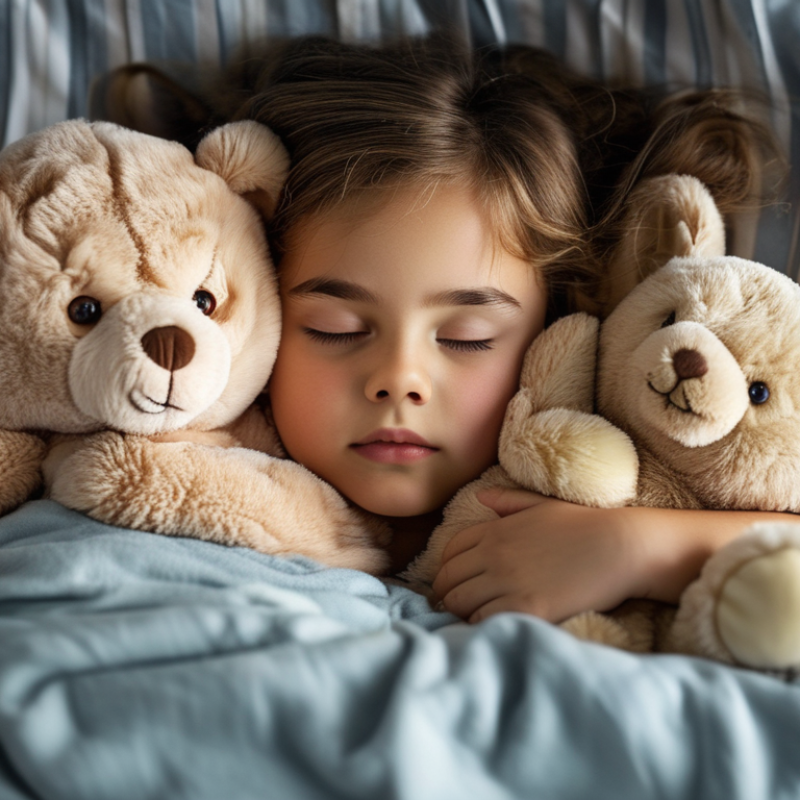
Plush toys play a significant role in helping children find comfort during sleep time. When a child hugs a soft toy, it can create a sense of companionship. This feeling of safety can ease anxiety, especially at nighttime. The plush texture and familiar scent often provide a calming effect. Many children tend to reach for their favorite toys when feeling scared or lonely.
The presence of plush toys can also help in establishing a soothing bedtime routine. Children often enjoy snuggling with these toys as part of winding down. Reading a bedtime story while holding a beloved toy can help signal to children that it’s time to sleep. These simple rituals can make a big difference in easing the transition from playtime to sleep.
However, not all children respond the same way. Some might find comfort in one toy while others might prefer none at all. It's essential to observe a child’s preferences. Parents should engage in conversations with their kids about the toys that make them feel safe. This understanding can lead to better choices and routines, nurturing a child's sleep experience.
Plush toys provide children with a tangible source of comfort. The softness and familiarity of these toys can create a safe space, essential for healthy sleep. A study published in the Journal of Pediatric Sleep Medicine found that 65% of children reported feeling more secure with a plush toy nearby, leading to better sleep quality.
Research indicates that having a familiar object can help reduce anxiety in children. The American Academy of Pediatrics suggests that transitional objects, like plush toys, serve as anchors during times of change. Whether it's a new sibling, a move, or starting school, these toys can help children feel grounded. The presence of a beloved plush toy can trigger positive feelings, reminding them of home or comforting routines.
The act of hugging or holding a plush toy can also stimulate a child’s brain. It releases oxytocin, known as the "love hormone." This reaction can promote relaxation and a sense of security. Striking a balance between dependency and independence remains crucial, as excessive reliance on any object may hinder emotional growth. Encouraging children to express their feelings about these toys can foster emotional intelligence, guiding them through complex feelings while nurturing their bond with these cherished companions.
For many children, plush toys are more than just simple playthings. They serve as comforting companions during the night. Cuddling a soft toy can provide children with a sense of security. This can lead to improved sleep patterns, easing anxiety as they drift into slumber. The tactile experience of squeezing a plush toy creates a soothing ritual, which helps signal bedtime.
Research suggests that having a plush toy nearby can reduce the fears associated with nighttime. Children often feel more relaxed and less alone when their favorite toy is close. This emotional support can promote better sleep quality. The presence of a familiar object can create a peaceful sleeping environment. However, not all children react positively; some may need assistance transitioning to sleep without relying on these toys.
The bond formed between a child and a plush toy can enhance emotional intelligence. Children learn to express their feelings through pretend play with their toys. This dynamic relationship encourages empathy and companionship. Nevertheless, it’s essential to guide children towards independent sleeping habits over time. Finding a balance between comfort and independence can be challenging for parents.
Choosing the right plush toy can significantly enhance a child's sleep quality. Research indicates that nearly 30% of children sleep better with a comfort object like a plush toy. These toys provide emotional support and a sense of security. They can be soothing companions during the night, which reduces anxiety and promotes relaxation.
When selecting a plush toy, consider factors like size and texture. A small, soft toy is ideal for cuddling without overwhelming the child’s sleeping space. Studies show that toys with a soothing texture can lower heart rates, aiding in quicker sleep onset. Additionally, look for hypoallergenic materials to ensure safety and comfort throughout the night.
Encourage children to choose their toys. This enhances their feelings of control and ownership. It’s crucial, however, to assess how the child interacts with the toy. Some children may rely too heavily on these objects, which can lead to dependency. Balancing comfort with independence is key. Ultimately, a thoughtfully selected plush toy can provide both comfort and a path to better sleep for children.
Incorporating plush toys into bedtime routines can create a comforting environment for children. Plush toys provide a sense of security. Many children associate them with love and warmth. This emotional connection can help ease the transition to sleep. Make sure to involve your child in the selection process. Let them choose a favorite toy to snuggle with at night. It can enhance their sense of ownership and comfort.
Establishing a consistent bedtime routine is crucial. Create a calming atmosphere with soft lighting and quiet time. Encourage your child to cuddle with their plush toy while reading a bedtime story. This not only fosters bonding but also signals that it’s time to relax. Remember, it may take time for your child to adapt. If they seem resistant, try different toys or routines. Change is not always easy for young ones.
Occasionally, children may become overly attached to their toys. This attachment can lead to difficulties in establishing independence at bedtime. It’s essential to find a balance. Gradually encourage them to sleep without the toy occasionally. This gentle approach can help them learn to self-soothe. The goal is to foster a peaceful sleep environment while supporting their emotional needs.
This chart illustrates how plush toys can impact different aspects of children's sleep quality. The data shows that plush toys can significantly enhance peacefulness and comfort level while reducing anxiety during bedtime routines.
: Plush toys create a sense of companionship, easing anxiety and providing safety during sleep.
Snuggling with a plush toy while reading a story can signal it’s time for sleep.
No, some children might prefer a specific toy, while others may not need one at all.
They offer emotional support and help create a calming bedtime environment for children.
Size, texture, and hypoallergenic materials are important for ensuring safety and comfort.
Yes, but too much reliance can lead to dependency, so balance is essential.
Yes, they help children express feelings and build empathy through pretend play.
Gradually encourage children to sleep without their plush toys, fostering self-reliance.
Children who feel connected to their toy can experience improved security during sleep.
Over-dependence on plush toys may hinder a child's ability to sleep independently.
Plush toys play a significant role in helping children sleep better by providing comfort and a sense of security. These soft companions create a familiar environment that can alleviate fears and anxiety associated with bedtime. The psychological benefits of having a plush toy include enhanced emotional well-being, as children often find solace in snuggling with their toys, which can lead to improved sleep quality.
To maximize these benefits, parents can focus on choosing the right plush toy, one that is age-appropriate and resonates with the child's interests. Incorporating plush toys into bedtime routines can also create a calming atmosphere, making it easier for children to transition to sleep. In summary, understanding how plush toys can help children sleep better involves recognizing their capacity to provide comfort, security, and emotional support during the nighttime hours.
STTY Toys