In recent years, the safety of plush toys for children has become a prominent concern in China. Parents want to know specifically what makes a plush toy safe for kids. According to a 2022 report by the Chinese National Consumer Association, incidents related to toy safety have increased by 15% from the previous year. This statistic highlights the urgency of understanding material quality and design safety.
Safety standards are critical when choosing plush toys. Non-toxic materials, secure stitching, and safety certifications are essential. The International Organization for Standardization (ISO) sets several guidelines that manufacturers should follow. These standards help reduce risks associated with choking hazards and chemical exposure. Despite these guidelines, many toys still do not meet safety requirements, raising questions about industry compliance.
Moreover, many parents may overlook the importance of regular inspections of plush toys. Worn-out toys can pose threats. Parents need to be vigilant and proactive. While numerous toys meet safety standards, not all are equally safe. It’s crucial to ask, what makes a plush toy safe for kids? Understanding and applying safety standards can protect children and promote their well-being.
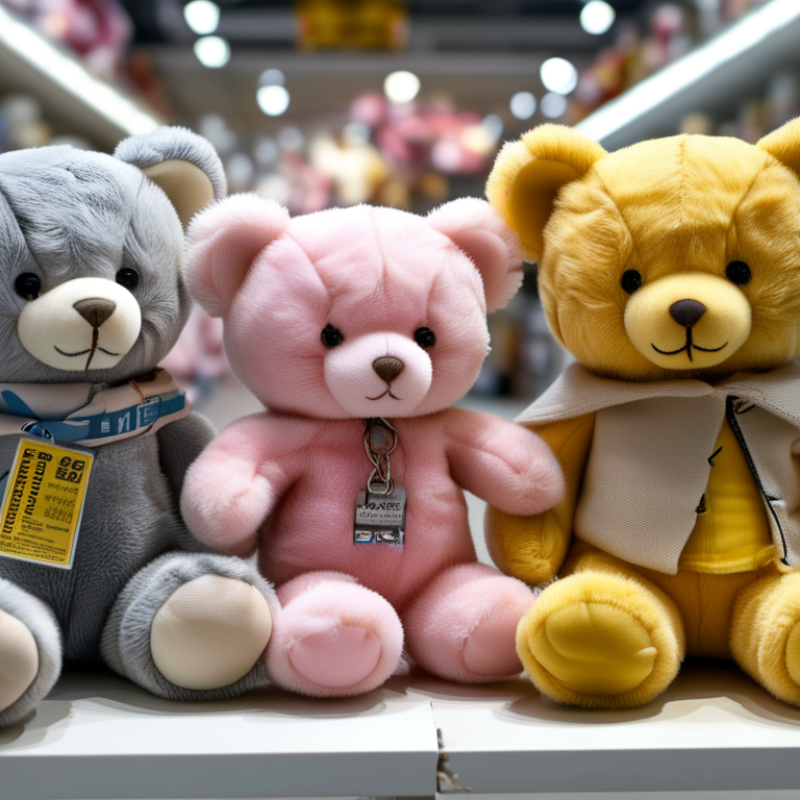
When considering the safety of plush toys in China, it’s crucial to understand the specific safety standards that apply. These regulations are designed to protect children from harmful substances often found in materials. For instance, plush toys are required to be free from toxic chemicals, such as lead and phthalates. Manufacturers must conduct rigorous testing to ensure compliance. It’s not always clear which standards are being followed, creating confusion for consumers.
Materials used in plush toys must be soft and hypoallergenic. Polyester and cotton are common choices, but not all brands provide transparent information about their sourcing. Consumers should check for safety labels or certificates that indicate compliance with local regulations. Many parents may overlook these details, risking their children's health. Additionally, the durability of plush toys matters greatly. Toys that easily shed or fray can become choking hazards. As a result, regular inspection for wear and tear is essential.
Despite improvements in safety standards, challenges remain. Some toys may still not meet expectations due to oversight or lack of enforcement. The variety of safety standards across provinces can also lead to variability in safety. Parents must take an active role in researching and selecting toys. Engaging in discussions about safety with manufacturers can push for better practices. The effort put into ensuring safe play can significantly impact a child's enjoyment and well-being.
: Common fabrics include cotton, polyester, and fleece. The quality of these materials can vary greatly.
Safety certifications indicate that the toys meet health standards. Many parents overlook this critical aspect.
Traditional cotton is safe, but synthetic fibers may pose health risks, including lead exposure.
Parents should check labels and ask questions about material sources before purchase.
It requires manufacturers to meet safety standards regarding chemical composition and flammability.
Yes, overly decorative items may pose choking hazards for young children.
Not all suppliers understand safety requirements, leading to potential delays and risks.
Regular inspections are necessary, but some toys can slip through the regulatory cracks.
Parents should be cautious of toys that appear safe but lack transparency in their materials.
Often, cheaper options do not meet safety standards, risking children's health.
When considering what makes a plush toy safe for kids in China, understanding the safety standards is paramount. Plush toys must be manufactured from non-toxic materials that are safe for children, minimizing the risk of exposure to harmful substances. Common hazards include choking risks from small parts and the potential use of toxic chemicals in manufacturing, both of which are critical concerns for parents and manufacturers alike.
Moreover, compliance with China’s National Standards is essential for ensuring safety in plush toy production. This regulatory framework mandates rigorous safety inspections and certifications for imported plush toys, ensuring they meet established safety criteria. By adhering to these safety measures, manufacturers and importers can provide parents with peace of mind, knowing they are purchasing toys that are both enjoyable and safe for their children.

 STTY Toys