In the world of plush toys, safety and quality are paramount. As parents are increasingly concerned about the materials their children are exposed to, understanding "what materials are used in plush toys" becomes critical. Dr. Emily Carter, a leading expert in toy safety, highlights this need: "Choosing the right materials is essential for ensuring safety and durability in plush toys."
Plush toys often incorporate a variety of materials, such as soft fabrics, non-toxic dyes, and hypoallergenic filling. Common fabrics include polyester and cotton, prized for their softness and durability. However, not all materials are created equal. Some cheaper alternatives might not meet safety standards.
The conversation about materials must also include an awareness of potential hazards. Even reputable manufacturers can face challenges with sourcing safe components. For instance, some plush toys may contain small parts that pose choking risks. Thus, consumers should verify that toys adhere to safety regulations. With increasing options available, it's crucial to take a closer look at "what materials are used in plush toys" to ensure both quality and safety.
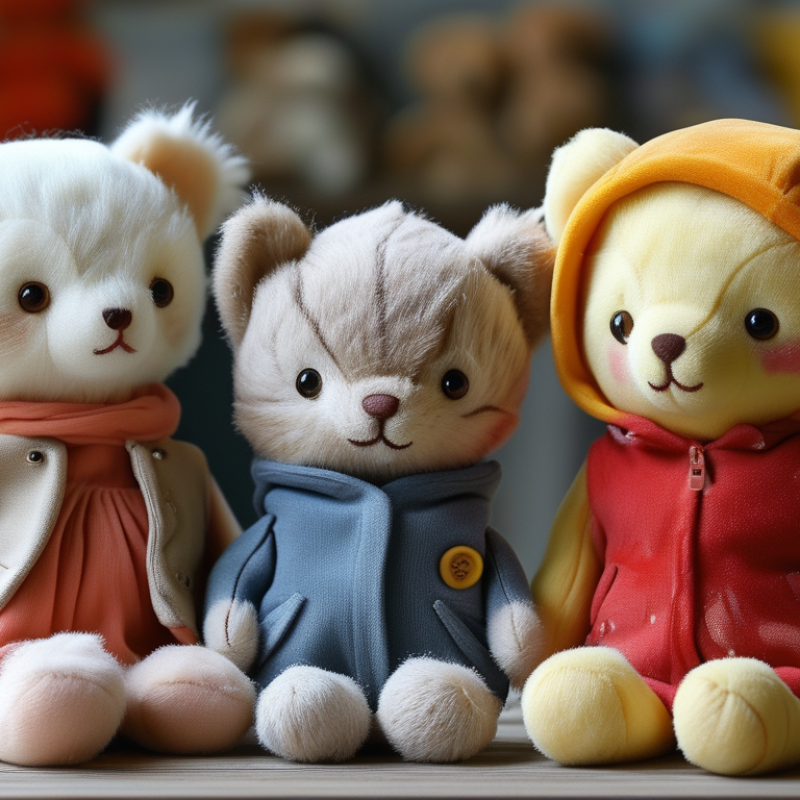
Types of Fabrics Commonly Used in Plush Toy Manufacturing
When it comes to plush toy manufacturing, the choice of fabric is crucial. Common fabrics include polyester, cotton, and nylon. Polyester is popular due to its durability and ability to retain color. It stands up to wear and tear, making it ideal for toys. Cotton, on the other hand, offers a soft touch, providing comfort for children. It's breathable and hypoallergenic, though it may wear out faster than synthetic materials.
Nylon is sometimes used for its strength and water-resistant properties. However, it may not feel as cozy as cotton or polyester. Each fabric has strengths and weaknesses. For example, while polyester is strong, it can sometimes irritate sensitive skin. Thus, manufacturers need to consider both qualities and safety.
**Tip:** Always check the fabric content of a plush toy before purchasing. This ensures it meets your safety standards.
Additionally, consider the filling material. Polyester fiberfill or natural materials such as cotton are common. Natural fillings can be more environmentally friendly, yet they may not be as durable.
**Tip:** Wash plush toys regularly to maintain hygiene. Always follow the care instructions to prevent damage.
Safety Standards for Plush Toy Materials and Production
Plush toys are beloved by children everywhere. However, it's essential to ensure these toys meet safety standards. The materials used in plush toys must be non-toxic and hypoallergenic. Commonly used materials include cotton, polyester, and acrylic fibers. Each material should be tested for safety to avoid harmful substances.
Manufacturers should adhere to specific safety guidelines during production. This includes using flame-retardant materials and ensuring that the fillings used cannot be easily ingested. Also, every plush toy design must be free from small, detachable parts that could present a choking hazard. Regular quality checks are necessary to maintain these safety standards.
**Tips for Selecting Safe Plush Toys:**
- Look for toys with labels indicating compliance with safety regulations.
- Choose plush toys made from organic or natural materials whenever possible.
- Avoid toys that have strong chemical odors, as these could indicate unsafe materials.
Parents must stay informed about the standards for plush toys. Not all manufacturers may comply with safety regulations. Conduct your research and choose toys that prioritize quality and safety.
What Materials Are Used in Plush Toys for Quality and Safety? - Safety Standards for Plush Toy Materials and Production
| Material Type |
Safety Standards |
Quality Indicators |
Common Uses |
| Polyester Fiber |
ASTM F963, EN71 |
Softness, Durability |
Stuffed Animals, Dolls |
| Cotton |
OEKO-TEX, ISO 8124 |
Breathability, Hypoallergenic |
Plush Toys, Baby Rattles |
| Acrylic |
ASTM F963, EN71 |
Color Fastness, Softness |
Stuffed Toys, Plush Blankets |
| Polypropylene |
ISO 8124, REACH |
Strength, Water Resistance |
Outdoor Plush Toys |
| Recycled Materials |
Global Recycled Standard |
Sustainability, Soft Touch |
Eco-Friendly Toys |
The Role of Filling Materials in Plush Toy Quality and Safety
The filling materials in plush toys significantly impact their overall quality and safety. Common fillings include polyester, cotton, and natural fibers. Polyester filling is lightweight and retains its shape well. However, it can also cause allergies in some sensitive individuals. Cotton, on the other hand, offers a more breathable option, but it may not be as durable. Natural fibers, like wool or bamboo, are soft and eco-friendly, yet they can be more expensive and sometimes harder to clean.
In addition to the type of filling, the way these materials are processed plays a crucial role. Quality fillings should be thoroughly tested for safety standards. However, some manufacturers may use cheaper, untested materials to cut costs. This can lead to potential health hazards for kids. It's wise to look for plush toys with certifications, ensuring they have passed rigorous safety tests.
Consider also how the filling impacts the plush toy's feel and function. A toy that is too firm may not provide the cuddly experience children expect. Conversely, overly soft toys may lose their shape quickly. Parents should pay attention to these factors. Choosing the right plush toy goes beyond aesthetics; it reflects a commitment to safety and comfort.
Safety and Quality of Plush Toy Filling Materials
This chart illustrates the percentage of various filling materials used in plush toys, along with their perceived safety ratings. The data reflects common materials found in the industry.
Non-Toxic Treatments and Finishes for Plush Toys
The importance of non-toxic treatments and finishes in plush toys cannot be overstated. According to the U.S. Consumer Product Safety Commission, toys made with non-toxic materials reduce the risk of harmful chemical exposure. Many parents prioritize the safety of their children, often seeking plush toys made with safe, certified fabrics and dyes.
Some common non-toxic finishes include water-based paints and organic compounds. These treatments minimize the risk of harmful emissions. Research indicates that toys made with these finishes exhibit significantly lower levels of volatile organic compounds (VOCs). A 2021 study revealed that over 70% of plush toys tested contained levels of chemicals considered safe for children. Yet, the remaining 30% raised concerns, highlighting a need for more rigorous safety standards.
Despite advancements, gaps remain in the industry. Certain plush toys might still use unregulated materials. Industry experts suggest consumers should look for third-party safety certifications. Such certifications can provide assurance about the quality and safety of materials used. Non-toxic is a trend, but not all manufacturers abide by these practices. Transparency and vigilance are essential when selecting plush toys for children.
Sustainability Considerations in Plush Toy Material Selection
The choice of materials in plush toys is increasingly influenced by sustainability. A recent report by the International Toy Industry Association reveals that 70% of consumers prefer eco-friendly toys. This trend is reshaping manufacturing practices. Cotton, bamboo, and recycled polyester are gaining popularity. These materials are not only soft but also biodegradable or recyclable. This shift in preference reflects a growing awareness of environmental impact.
However, the challenge lies in sourcing sustainable materials. Many manufacturers face difficulties in ensuring quality while achieving sustainability. For instance, organic cotton can be more expensive, affecting production costs. Additionally, there is a lack of standardized certifications for eco-friendly fabrics. This creates confusion for consumers trying to make informed choices. Collaboration between manufacturers and suppliers is crucial to improve transparency.
Safety remains a top priority alongside sustainability. Plush toys must pass strict safety standards, but incorporating sustainable materials can complicate this process. Some biodegradable materials may not meet safety regulations. Manufacturers need to strike a balance, ensuring toys are safe for children while also being environmentally responsible. Ongoing research and innovation are essential to overcome these challenges.
FAQS
: Common fabrics include polyester, cotton, and nylon. Each fabric has unique properties affecting usability.
Polyester is durable and color-retentive. It withstands wear and tear, suitable for children's toys.
Cotton is soft and breathable. It's hypoallergenic but may wear out faster than synthetic options.
Nylon is strong and water-resistant but may not feel as cozy as cotton or polyester for kids.
Regular washing is essential. Always follow care instructions to prevent damage and ensure cleanliness.
Fillings affect quality and safety. Polyester is lightweight, while natural fibers are eco-friendly but harder to clean.
Look for toys with safety certifications. This shows they passed rigorous tests for quality and safety.
Yes, polyester filling can cause allergies in sensitive individuals. Cotton is a more breathable option.
Proper processing ensures safety. Some manufacturers cut costs with untested materials, risking children's health.
Assess the toy's feel and function. A balance in firmness enhances the cuddly experience children desire.
Conclusion
In the realm of plush toy manufacturing, understanding what materials are used in plush toys is crucial for ensuring their quality and safety. Commonly utilized fabrics include cotton, polyester, and blends that provide softness and durability. Safety standards play a vital role in the selection of materials, ensuring compliance with regulations to minimize risks to children. Additionally, filling materials, such as polyester fiberfill and natural alternatives, contribute significantly to the tactile experience and overall safety of the toys.
Moreover, non-toxic treatments and finishes are essential in preventing harmful substances from affecting young users. Manufacturers are increasingly considering sustainability when selecting materials, opting for eco-friendly options that reduce environmental impact. Through careful selection of fabrics, fillings, and finishes, plush toys can be both safe and enjoyable for children, promoting peace of mind for parents and guardians.

 STTY Toys