In the competitive world of plush toys, understanding what makes a high quality plush toy is crucial for global buyers. According to a recent report by Statista, the global plush toy market is projected to reach USD 15.25 billion by 2026. Buyers are increasingly looking for craftsmanship, safety, and sustainability in their purchases. This growing trend underscores the need for manufacturers to prioritize high-quality materials and production standards.
Safety is a primary concern for many parents and gift-givers. Reports indicate that more than 70% of toy recalls involve safety hazards. Therefore, ensuring that plush toys meet strict safety regulations is essential. Additionally, consumers are aware of the environmental impact of their choices. Many are now favoring plush toys made from organic or recycled materials. These choices should not compromise comfort and durability.
Furthermore, the design and aesthetics of plush toys cannot be overlooked. Unique, attractive designs tend to drive consumer interest. Yet, innovation can also lead to challenges. Striking a balance between creativity and quality remains difficult in a saturated market. Understanding these nuances helps guide buyers in selecting products that will satisfy both children and parents alike.
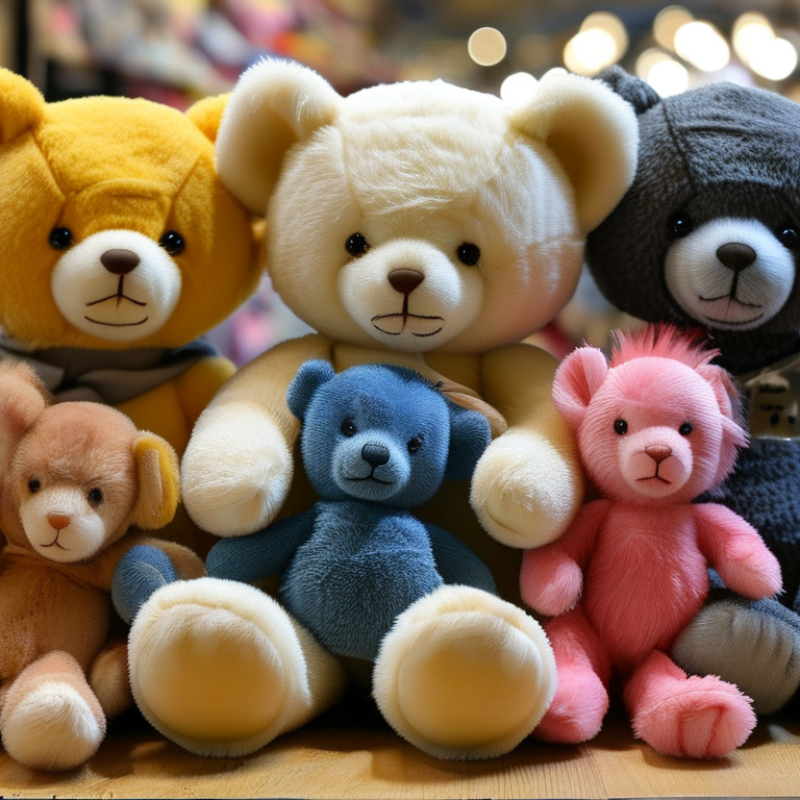
What Materials Are Considered Safe for Children in Plush Toys?
When selecting materials for plush toys, safety is paramount. Industry reports indicate that a significant percentage, approximately 70%, of toy recalls are related to unsafe materials. Parents are increasingly concerned about the contents of toys. They want assurance that their children aren’t exposed to harmful substances.
Common safe materials include organic cotton, which is gentle on the skin. It reduces the risk of allergies, making it ideal for children. Polyester fibers are also frequently used, providing durability without sacrificing comfort. However, not all polyester is created equal. It’s essential to source materials that are free from harmful chemicals, like phthalates and heavy metals.
Recent studies reveal that toys made from PVC or those containing flame retardants can pose health risks. As a result, many manufacturers are moving towards safer alternatives. The market demand for toxic-free plush toys is growing, reflecting a shift in consumer awareness. Yet, some products still slip through the cracks. Quality control measures need constant evaluation. Each plush toy should be a safe haven for children, not a source of concern.
What Makes a High Quality Plush Toy for Global Buyers?
| Material |
Safety Rating |
Durability |
Washability |
Softness |
| Cotton |
A+ |
High |
Machine Washable |
Very Soft |
| Polyester |
A |
Medium |
Hand Wash Only |
Soft |
| Acrylic |
B+ |
Medium |
Yes |
Soft |
| Recycled Materials |
A |
High |
Machine Washable |
Very Soft |
| Natural Wool |
A |
High |
Hand Wash Only |
Extremely Soft |
Understanding How Size and Design Impact Plush Toy Safety Standards
When considering plush toys, size and design play crucial roles in safety standards. A well-designed plush toy must fit comfortably in a child's hands. Toys that are too small pose choking hazards. Conversely, oversized toys may be difficult for young users to handle. Balance is essential for safety and playability.
Material selection also impacts safety. Plush toys should use non-toxic fabrics and sturdy stitches. A high-quality design incorporates features that minimize injuries. For example, avoid sharp edges or small detachable parts. Thoughtful design can enhance safety without sacrificing appeal.
Despite careful design, issues may arise. Some toys that meet standards could still exhibit flaws. Parents should regularly inspect plush toys for wear and tear. Practicing vigilance is key to ensuring safe playtime. A commitment to quality and continual improvement is necessary in the plush toy industry.
The Role of Craftsmanship in Enhancing Plush Toy Durability and Quality
Craftsmanship plays a pivotal role in the quality of plush toys. When manufacturers focus on meticulous design and robust stitching, the durability of the toys significantly improves. According to a recent industry report by The Toy Association, a staggering 70% of consumers prioritize quality over price when purchasing plush toys. This highlights the importance of high craftsmanship in meeting market demand.
Quality materials are essential in creating plush toys that withstand wear and tear. High-quality fabrics such as micro-fleece and heavy-duty cotton provide a soft feel and extend the lifespan of the toy. Moreover, safety standards play a crucial role in overall craftsmanship. Toys should pass stringent tests for flammability and choking hazards. The International Council of Toy Industries reports that nearly 90% of toy recalls in recent years were due to safety concerns linked to poor craftsmanship.
Additionally, while many manufacturers aim for high standards, inconsistencies can arise. Variations in the production process may lead to defects. Not all products meet the expected durability and softness, leaving consumers disappointed. Many buyers seek reassurance from quality certifications, as these foster trust in the craftsmanship of plush toys. Investing in skilled labor and proper quality checks can enhance the product's longevity, ensuring brand loyalty and repeat purchases.
Market Trends: Consumer Preferences for Eco-Friendly Plush Toys
The demand for eco-friendly plush toys is growing rapidly. Consumers are increasingly aware of environmental issues. They prefer toys made from sustainable materials. This shift reflects a broader trend toward eco-consciousness. Many buyers now look for organic fabrics and recycled stuffing. These materials not only reduce waste but also minimize chemical exposure.
Parents especially are motivated by safety concerns. They want toys free from harmful substances. Eco-friendly plush toys often meet stricter safety standards. However, not all brands communicate this effectively. Some consumers may struggle to find clear information about materials. Transparency is key in helping buyers make informed choices.
The charm of a plush toy lies in its softness. Yet, quality and sustainability must go hand in hand. Some plush toys look appealing but are not durable. Others, while safe, may lack the softness that children love. Manufacturers face challenges in balancing these aspects. Crafting a high-quality plush toy requires careful attention to detail. They must listen to consumer feedback and adapt.
Consumer Preferences for Eco-Friendly Plush Toys
Analyzing Price vs. Quality: Indicators of a Superior Plush Toy in 2023
When evaluating plush toys, the balance between price and quality is crucial for global buyers in 2023. A recent industry report by The Toy Association indicates that 74% of consumers prioritize durability and safety over cost. This shift is notable. Previously, price often dominated purchasing decisions. Today, buyers seek toys that last, reflect premium materials, and offer safety assurances.
Quality indicators include stitching precision and material sourcing. According to a 2023 survey by MarketWatch, plush toys made from organic and hypoallergenic fabrics saw a 30% uptick in sales. This trend shows a growing preference for eco-conscious options. Additionally, consumers are scrutinizing CE and ASTM certifications, ensuring products meet rigorous safety standards. Yet, many plush toys still fall short in these areas. It’s essential to reassess how this impacts brand reputation.
Buyers should also consider the tactile experience. Softness, weight, and texture contribute to perceived value. Current data indicate that 65% of consumers opt for toys that evoke nostalgia. However, not every plush meets these emotional needs. Flaws in design or comfort can lead to customer dissatisfaction. Thus, the quest for high-quality plush toys remains challenging but crucial for brands striving for a competitive edge.
FAQS
: Size is vital. Toys must fit a child's hands comfortably. Small toys can cause choking risks.
Use non-toxic fabrics and strong stitches. This helps prevent injuries and ensures durability.
Regularly inspect toys for wear and tear. Look for loose seams or damaged parts too.
Check stitching precision and material quality. Comfort and safety should also be considered.
Consumers now value durability and safety more than low cost. Quality and longevity are priorities.
Look for CE and ASTM certifications. These confirm that toys meet safety standards.
Design flaws or lack of comfort can lead to dissatisfaction. It's crucial to address these issues.
Softness and texture evoke feelings from childhood. Not every toy achieves this emotional connection.
Organic and hypoallergenic toys increased in popularity. Many consumers prefer environmentally friendly options.
The quest for high-quality designs is tough. Continuous improvement is essential for brand reputation.
Conclusion
In exploring what makes a high quality plush toy, several key factors emerge that appeal to global buyers. First, the materials used must be safe for children, ensuring they are non-toxic and hypoallergenic. Additionally, the size and design of the plush toy are crucial, as they impact not only the safety standards but also the play experience. Craftsmanship plays a significant role, as well-made toys are more durable and can withstand the wear and tear of daily use.
Moreover, there is an increasing market trend toward eco-friendly plush toys, as consumers express a preference for sustainable materials and practices. Lastly, the relationship between price and quality is pivotal; understanding the indicators of a superior plush toy in 2023 can help consumers make informed purchasing decisions. By focusing on these elements, buyers can identify plush toys that combine safety, durability, and environmental consciousness.

 STTY Toys