What Factors Affect Plush Toy Durability in China?

Time:2026-10-03 Author:Oliver
0%

Plush toys often look durable on a showroom shelf. Their real performance appears after repeated hugs, washing, and rough handling. Understanding what factors affect plush toy durability helps buyers evaluate Chinese manufacturing quality more carefully.

Li Wei, a plush-toy quality engineer who has worked with Chinese OEM factories, explains, “Durability begins with small decisions, especially fabric weight, seam strength, and stuffing recovery.” His observation reflects common factory experience. A dense polyester fabric usually resists abrasion better than a thin, loosely knitted surface. However, soft fabric can still fail when stitching is weak. Seam allowance, stitch density, thread quality, and reinforcement points all matter. Ears, tails, and embroidered details often receive the most pulling pressure.

The stuffing also affects long-term shape. Low-resilience fiber may flatten after repeated compression. Uneven filling can create lumpy areas around the head or limbs. Washing adds another test. Colorfast dyes, stable fabrics, and secure embroidery reduce fading and loose components. Humidity during storage can create unpleasant odors or encourage material deterioration, especially when packaging lacks ventilation.

China’s plush-toy supply chain offers advanced equipment and experienced production teams. Yet quality can vary between factories and even between production batches. A sample may pass inspection while later units show weaker seams. That possibility deserves attention. Factory audits, material records, wash testing, abrasion checks, and random inspections provide stronger evidence than appearance alone.

The answer is not simple. Toy design, materials, workmanship, maintenance, and use conditions interact. Even a carefully made plush toy can wear faster than expected. That is why durability should be measured, not assumed.
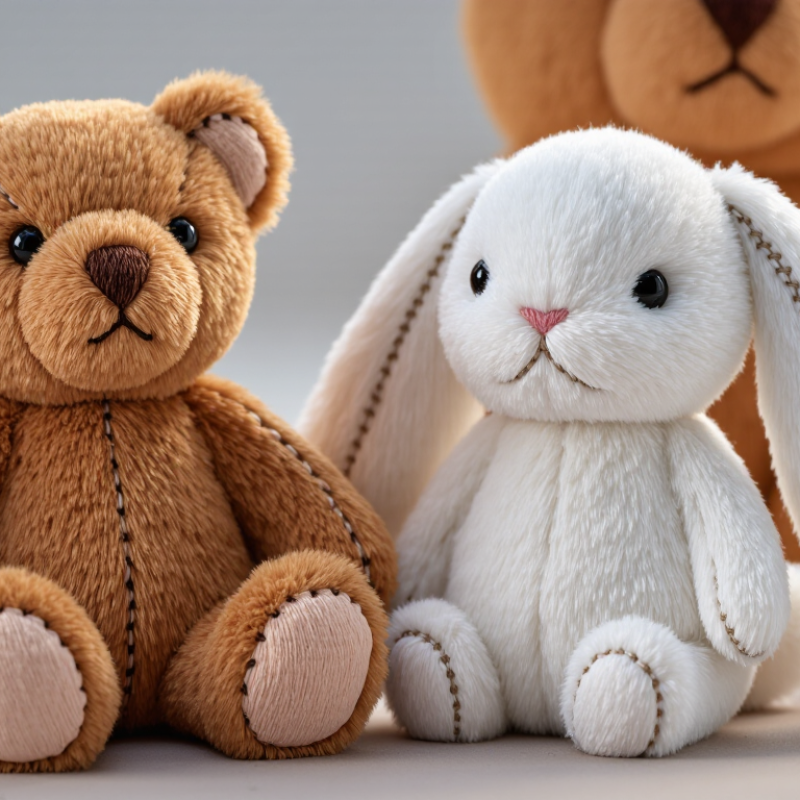
What Factors Affect Plush Toy Durability in China?

Material Quality and Fabric Selection

What Factors Affect Plush Toy Durability in China?
Material Quality and Fabric Selection

Material selection often determines how long a plush toy remains attractive and safe. In Chinese factories, polyester plush is widely used because it resists shrinking and dries quickly. However, fiber density matters more than a soft surface alone. A thin fabric may feel pleasant but develop bald patches after repeated rubbing.

I inspect the fabric near ears, paws, and seams because these areas receive constant handling. Dense, evenly knitted fibers usually withstand brushing better. Colorfastness also deserves attention. A damp white cloth can reveal unstable dye before production moves forward. The fabric should not release strong odors or shed loose fibers. Small defects become obvious after washing.

Stuffing quality affects both shape and comfort. Clean, resilient filling should recover after compression and remain evenly distributed. Recycled content is not automatically poor, but its cleanliness and consistency require verification. Stitch density should match the fabric’s stretch. Tight stitches can tear weak cloth, while loose stitches may open during play. This is easy to overlook. In practice, material samples can perform differently from bulk shipments. That gap requires documented testing, supplier records, and repeated inspection rather than trust alone. A better fabric choice may cost more, yet replacing worn toys creates greater waste and customer disappointment.

Design Features That Influence Plush Toy Strength

Plush toy durability begins with the pattern, not the final inspection. Wider seam allowances give fabric more support near the edges. Curved seams also need careful shaping. Sharp corners can concentrate tension and split during play. A sample may look attractive, yet its construction can remain weak.

Stitch design matters greatly. Dense, even stitches usually hold better than loose decorative lines. Reinforced points are useful around ears, arms, and tail attachments. Embroidered facial details often reduce risks linked to detachable components. However, excessive stitching can create perforations in delicate fabric. The balance is easy to miss.

Fabric choice changes performance too. Short-pile fabrics often resist abrasion better, while long fibers may hide early damage. A stable backing fabric can improve tear resistance without making the toy feel rigid.

Stuffing density affects strength and shape retention. Overfilled bodies place pressure on seams and may cause distortion after washing. Underfilled areas can collapse around attachment points. During quality checks in Chinese production facilities, practical tests should include pulling, rubbing, seam inspection, and repeated washing when relevant. Inspectors should record weak locations, not only pass or fail results. Prototype testing helps, but it cannot predict every child’s use pattern. A small design revision may be needed after testing. That is normal. Reliable production also depends on consistent cutting, stitching tension, and worker training. A strong drawing cannot correct careless assembly.

Manufacturing Processes and Quality Control in China

What Factors Affect Plush Toy Durability in China?

Manufacturing Processes and Quality Control in China

Plush toy durability in China starts with material selection, not final inspection. Factories typically assess fabric strength, seam slippage, colorfastness, and stuffing recovery. Polyester plush may feel soft, yet weak backing can tear after repeated handling. Skilled operators control stitch length and seam allowance around ears, limbs, and necks. These areas receive the most stress.

Quality control should continue across the production line. Incoming materials need batch sampling before cutting begins. During sewing, inspectors check skipped stitches, loose threads, uneven filling, and hidden gaps. Finished toys require seam pull tests, torque tests, abrasion checks, and wash simulations. ISO 8124 and China’s GB 6675 series provide important safety references. The EU Safety Gate 2023 report identified toys as 13% of dangerous-product notifications. That figure measures safety alerts, not durability, but it shows why documented testing matters.

Factories often use AQL sampling for shipment decisions. However, sampling cannot reveal every weak seam. One defective toy may pass unnoticed. This is a real limitation. Better suppliers combine laboratory testing with hourly line inspections and retained samples. Production records should link defects to workers, machines, fabric batches, and corrective actions. Some facilities still rely too heavily on visual checks. A toy can look perfect and fail after ten minutes of rough play. Practical durability testing must imitate children’s pulling, twisting, dragging, and washing habits.

Use, Care, and Environmental Conditions

Plush Toy Durability in China: Use, Care, and Environmental Conditions

Plush toy durability in China depends on daily handling, cleaning habits, and local climate. A frequently hugged toy faces seam stress, fabric abrasion, and compressed filling. Children may pull ears, tails, or embroidered details. These small actions gradually weaken stitching. The 2023 Circularity Gap Report estimates that only 7.2% of the global economy is circular. Longer product use can reduce replacement demand, although this figure is not specific to plush toys. That limitation matters.

China’s humid southern regions can encourage mildew when toys remain damp. Northern cities may expose toys to dry air, dust, and stronger indoor heating. Direct sunlight can fade dyed fabrics and weaken some fibers. Washing also creates risk. Hot water, strong detergents, and aggressive spinning may distort the shell. AATCC TM61, an accelerated laundering method, shows why repeated washing needs controlled conditions. It does not perfectly predict children’s real-world use. That is an important weakness. UNEP’s 2023 textile report links textiles with 2–8% of global greenhouse-gas emissions, so extending toy life has environmental value.

Tips: Check seams monthly, especially around limbs and openings. Spot-clean first with mild detergent and cool water. Press out moisture with a towel. Air-dry completely in shade. Avoid bleach, tumble drying, and sealed storage while damp. Rotate heavily used toys when possible. Even careful owners miss hidden moisture sometimes.

Safety Standards, Testing, and Durability Assessment

Plush toy durability in China depends on more than fabric quality. Safety standards, testing methods, and production control reveal how a toy may perform after months of use. China’s GB 6675 toy safety standards guide checks for materials, stitching, small parts, and mechanical risks. Requirements can change, so manufacturers should confirm the applicable version before production.

A practical assessment starts with the seams. Inspectors may pull ears, arms, ribbons, and embroidered features with controlled force. Drop tests can expose weak joints, while abrasion testing shows whether fur becomes thin after repeated contact. Colorfastness tests are useful when children handle the toy with damp hands. Material screening also checks substances that may migrate from printed surfaces, coatings, or plastic components.

Factory experience matters here. A reliable team keeps sample records, test conditions, corrective actions, and batch traceability. It should compare new results with earlier failures, not simply file reports. We often examine stitching inside the toy, where rushed work is easy to miss. Small changes in thread tension can create large differences in seam strength.

A laboratory report helps, but it is not the whole truth. Testing one sample cannot represent every production batch. Sampling plans need review. Human inspection remains necessary, although it is not perfectly consistent. Repeated testing, clear specifications, and honest factory communication provide stronger evidence of durability and safety.

FAQS

Which fabric usually supports better plush toy durability?

Polyester plush is common because it resists shrinking and dries quickly. Fiber density matters more than surface softness. Thin fabric may develop bald patches after rubbing.

Where should fabric quality receive the closest inspection?

Check the ears, paws, and seams first. These areas receive frequent handling. Dense, even fibers usually resist brushing better. Small flaws grow quickly.

How can unstable fabric dye be detected?

Rub the fabric with a damp white cloth. Color transfer suggests unstable dye. Wash testing can reveal additional problems.

What stuffing characteristics help a plush toy keep its shape?

Clean, resilient filling should recover after compression. It should remain evenly distributed inside the body. Recycled filling can work, but cleanliness needs verification.

How does stitch density affect toy strength?

Stitch density should match the fabric’s stretch. Tight stitches can tear weak cloth. Loose stitches may open during play. The balance is easy to miss.

Which design details can reduce seam failures?

Wider seam allowances support fabric near edges. Curved seams need careful shaping. Reinforced points help around ears, arms, and tails. Sharp corners create stress.

Are embroidered facial details safer for durability?

Embroidered details can reduce risks from detachable parts. However, excessive stitching may perforate delicate fabric. More stitching is not always better.

What practical tests should factories perform?

Tests can include pulling, rubbing, seam checks, and repeated washing when relevant. Inspectors should record weak locations, not only pass or fail. Prototypes help, but they cannot predict every child’s use pattern.

Why can bulk shipments differ from approved samples?

Material samples may perform differently from bulk shipments. Production records and repeated inspections help identify this gap. Trust alone is insufficient. This is not perfect.

Conclusion

Understanding what factors affect plush toy durability in China requires looking at the entire product lifecycle, from material selection to everyday use. High-quality fabrics, strong stitching, resilient filling, and suitable accessories provide a solid foundation. Thoughtful design also matters, as reinforced seams, secure joints, balanced construction, and reduced stress points can help a plush toy withstand repeated handling. During manufacturing, accurate cutting, consistent sewing, careful assembly, and effective quality control reduce defects and improve long-term strength.

Durability is also influenced by how a toy is used, cleaned, stored, and exposed to moisture, heat, sunlight, or friction. Clear care instructions can help preserve its fabric, shape, and surface details. Safety testing and durability assessments, including seam strength, attachment security, colorfastness, and repeated-use simulations, offer practical evidence of product performance. By combining dependable materials, robust design, controlled production, proper care, and systematic testing, manufacturers can create plush toys that remain attractive, functional, and reliable over time.

Oliver

Oliver

Oliver is a seasoned marketing professional with a wealth of expertise in driving brand awareness and engagement. With a deep understanding of our company's product offerings, he consistently delivers high-quality content that enriches our professional blog. His insights not only shed light on......