What Is the Best Way to Select Plush Toys for Retail?

Time:2026-10-08 Author:Henry
0%

Selecting plush toys for a retail store is more than choosing the cutest designs. A soft bear may attract attention, yet weak stitching, unclear labeling, or poor shelf visibility can quickly damage customer trust. Retail buyers must balance safety, durability, appearance, supplier reliability, and realistic profit margins. This guide explains how to select plush toys for retail businesses with practical checks that support confident purchasing decisions.

Begin with the customer, not the catalog. Consider the store’s age groups, price range, seasonal demand, and available display space. A small boutique may need compact animals with premium fabrics, while a family shop may prefer colorful toys with broad appeal. Inspect seams, embroidery, stuffing recovery, fabric softness, and odor. Hold the sample in your hands. That simple action reveals details photographs often hide.

Ask suppliers for clear product specifications, testing records, material information, packaging details, and consistent production samples. Review minimum order quantities and delivery schedules carefully. One attractive sample proves very little. Customer feedback should also guide later orders, especially comments about shedding, loose parts, or difficult cleaning. Sometimes the best seller is not the most fashionable toy. It may be the plain rabbit placed at eye level. That can be surprising.

A reliable selection process should include small test orders before larger commitments. Track sales speed, returns, customer questions, and display performance. Reconsider designs that look impressive but remain untouched. No method is perfect. Trends change, and buyer judgment can be wrong. Still, careful observation, documented checks, and honest supplier communication create a stronger foundation for retail success.
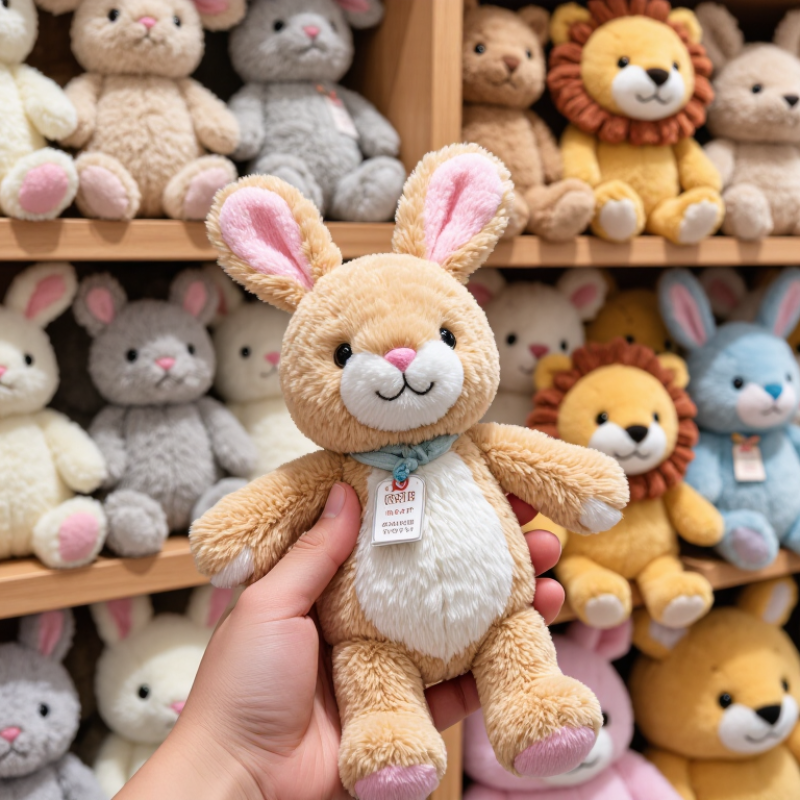
What Is the Best Way to Select Plush Toys for Retail?

Define the Retail Purpose and Target Customer for Plush Toys

Selecting plush toys for retail begins with a clear purpose. A gift shop may need charming, easy-to-carry animals for birthdays. A children’s store may need washable toys for daily handling. Seasonal retailers might prefer limited colors, themed shapes, and compact packaging. The purpose affects size, fabric, price, display space, and expected purchase frequency.

Define the target customer in practical detail. Consider age, gifting habits, household income, and shopping occasion. Parents often examine stitching, softness, cleanability, and age guidance before design appeal. Teenagers may prefer expressive characters, unusual textures, or room-friendly sizes. Gift buyers usually need an attractive product that feels personal without requiring much explanation. Ask customers directly, then compare their comments with sales records and return reasons. Small details matter.

Test samples in the actual store environment. Place one plush toy at a child’s eye level and another near the gift counter. Observe which one shoppers touch, carry, or ignore. Check seams, filling consistency, loose fibers, odor, and label clarity. Request material information and documented safety testing from suppliers. I once favored a beautiful oversized toy, but its packaging consumed too much shelf space. That mistake changed the buying criteria. Appearance still matters, but retail purpose must lead. Keep questioning whether the toy serves the customer or only attracts the buyer’s attention.

Set Safety, Quality, and Material Requirements

Selecting plush toys for retail starts with clear safety, quality, and material requirements. Define age ranges before reviewing samples, because younger users need closer attention to loose parts and accessible seams. Ask suppliers for current test reports, material declarations, and traceable production records. Documents matter, but they are not enough. Inspect the actual sample.

Check embroidered features, firmly attached eyes, secure stitching, and stuffing that does not escape when seams are gently stressed. Avoid unexplained odors, uneven filling, rough labels, and color transfer after a damp-cloth test. For fabric, specify fiber content, dye performance, surface softness, and resistance to shedding. Verify that fillings are clean and evenly distributed. If plastic components exist, review their composition and attachment strength. Small magnets and detachable decorations deserve extra caution.

Quality should survive ordinary retail handling, not only a perfect warehouse inspection. Drop samples, compress them, and repeat relevant opening movements. Record failures with photographs, dates, and batch details. A checklist helps. It can also create false confidence. A strong seam may still fail when nearby fabric frays after repeated rubbing. Review the surrounding material, not just the obvious join. Set acceptance limits before ordering, and reject samples that cannot meet them consistently. Leave room for improvement; attractive plush toys can hide weak construction.

Best Way to Select Plush Toys for Retail

Suggested retail selection weighting based on core toy-safety, quality-control, and material-evaluation priorities. Safety and compliance should be checked first.

Compare Suppliers, Certifications, and Production Capabilities

What Is the Best Way to Select Plush Toys for Retail?

Compare Suppliers, Certifications, and Production Capabilities

Selecting plush toys requires more than comparing prices. A reliable supplier should provide clear material details, sample approval, and consistent communication. Ask about fabric composition, stuffing, stitching strength, colorfastness, and washable finishes. Request a sample before placing a large order. Small defects often appear around the eyes, seams, or embroidered details.

Certifications need careful checking. Confirm the certificate number, testing laboratory, product scope, and issue date. Common references may include EN 71, ASTM F963, or CPSIA requirements, depending on the target market. A certificate for one toy does not automatically cover every design. Testing should match the actual materials, accessories, and age range. This point is easy to miss.

Production capability also affects retail reliability. Compare minimum order quantities, sample lead times, monthly capacity, and quality-control procedures. Ask whether the factory manages cutting, sewing, stuffing, embroidery, packing, and final inspection internally. Review photos of production areas, but do not rely on photos alone. A factory visit or live video inspection offers stronger evidence. In purchasing work, a low quote can seem attractive, yet weak traceability may create expensive delays. I once underestimated packaging checks, and damaged cartons reduced the value of otherwise good products. Build a comparison sheet, record unanswered questions, and revisit your supplier choice after sample testing.

Evaluate Costs, Order Quantities, and Retail Profit Margins

What Is the Best Way to Select Plush Toys for Retail?

Selecting plush toys for retail requires more than choosing attractive colors and soft fabrics. Start with the landed cost, including the unit price, packaging, freight, inspection, and import-related charges. A toy priced at $4 may cost $5.20 after these expenses. Small differences can seriously reduce your margin.

Order quantity also needs practical testing. A low minimum order quantity reduces risk, but the unit price may rise. A larger order can improve pricing, yet slow-moving stock ties up cash and shelf space. I usually compare three quantities and calculate the break-even point for each one. Keep a reserve for defects, damaged packaging, and seasonal demand changes.

Stock is not profit until it sells.

Retailers should set prices from the target gross margin, not guesswork. If the total landed cost is $5.20 and the target margin is 55%, the retail price should be about $11.56.

This calculation excludes rent, staff wages, payment fees, and promotions, so the real profit will be lower. My early forecasts often looked too optimistic because I underestimated storage and discounting. Review sales weekly, record actual costs, and adjust future orders instead of defending a weak estimate. Safety checks, durable stitching, and accurate product information also protect long-term trust.

Test Products and Choose the Best Plush Toy Assortment

Retail buyers should test plush toys before building a complete assortment. Photos cannot show fabric softness, filling consistency, or stitching strength. Order several samples from different production batches when possible. Place them on a real shelf and observe their size, colors, and visual balance.

Handle each toy repeatedly. Check seams, loose threads, odors, embroidery, and the firmness of attached parts. Review material documentation and age guidance carefully. A sample may feel excellent but lose shape after washing or frequent handling. I once preferred a bright design that attracted attention, yet its fur collected dust too quickly. That mistake changed my testing process.

Tips: Create a simple scorecard for softness, durability, appearance, packaging, and customer appeal. Ask staff or selected shoppers to touch the samples. Record honest comments, including negative ones. Test several price points, not only the cheapest option. Keep one sample aside for later comparison.

Choose an assortment with clear variety, not random differences. Combine small impulse toys with larger display pieces. Include gentle colors, vivid designs, and different textures. Avoid ordering too many similar shapes, even when one sample performs well. Track which toys receive attention during a short store trial. Sales data helps, but staff observations add useful context. Some decisions will still be uncertain. Review them after the first reorder.

FAQS

How should retailers define the purpose of a plush toy?

Match the toy to the store, customer, and shopping occasion. Gift shops may need compact animals for birthdays. Children’s stores may prioritize washable fabrics and durable seams. Seasonal stores might choose themed shapes and limited colors. Purpose affects size, price, packaging, and display space.

Who is the target customer?

Consider age, income, gifting habits, and purchase situations. Parents often inspect stitching, softness, cleaning instructions, and age guidance. Teenagers may prefer expressive characters or unusual textures. Gift buyers usually want something personal and easy to understand. Ask customers directly.

How can a retailer test samples effectively?

Place samples in real store positions. Try one at child’s eye level and another beside the gift counter. Watch which toy shoppers touch, carry, or ignore. Check whether packaging blocks nearby products. I once chose an attractive oversized toy. It used too much shelf space.

What safety details should retailers inspect?

Review attached eyes, embroidered features, secure seams, and contained stuffing. Pay special attention to loose parts, detachable decorations, and small magnetic components. Request current test reports and material declarations. Documents help, but physical inspection remains necessary.

How can retailers judge fabric and filling quality?

Check fiber information, softness, shedding, and color transfer. Rub the surface gently and use a damp cloth on colored fabric. Look for rough labels, uneven filling, loose fibers, or unexplained odor. The toy should feel consistent across its body.

How should plush toys be tested for ordinary handling?

Drop samples, compress them, and repeat common opening movements. Gently stress seams and photograph every failure. Record dates, batches, and affected areas. Inspect nearby fabric, not only the seam. A checklist can help, but it can also create false confidence.

How should retailers calculate the real product cost?

Include the unit price, packaging, freight, inspection, and other purchasing charges. A toy priced at four dollars may reach $5.20 before retail sale. Small cost changes can weaken the margin. Stock is not profit until it sells.

How should retailers choose order quantities and retail prices?

Compare at least three quantities and calculate the break-even point. Smaller orders reduce risk but may increase unit costs. Larger orders can trap cash in slow-moving stock. Set prices from the target gross margin. Review sales weekly and adjust weak forecasts. My early estimates were too optimistic.

Conclusion

Selecting the right plush toys for a retail business begins with a clear understanding of the store’s purpose and target customers. Consider the age range, interests, spending habits, and shopping occasions of your audience, then define an assortment that matches your retail environment. When deciding how to select plush toys for retail businesses, prioritize soft, durable, and easy-to-clean materials, along with reliable stitching, secure features, and appropriate safety documentation. These standards help ensure that the products are suitable for their intended customers and consistent with store expectations.

Next, compare suppliers based on communication, production capacity, customization options, quality control, certifications, lead times, and minimum order quantities. Calculate the complete product cost, including shipping, packaging, storage, and potential returns, before setting a price and estimating profit margins. Request samples to evaluate appearance, softness, durability, construction, and packaging. Finally, test a balanced assortment of sizes, styles, colors, and price points, review customer feedback, and adjust future orders according to sales performance and seasonal demand.

Henry

Henry

Henry is a dedicated marketing professional with a profound expertise in the company's offerings. With years of experience in the industry, he possesses an impressive understanding of the market dynamics and consumer behaviors that drive success. Henry is committed to sharing his insights through......