10 Best Tips on How to Start a Plush Toy Collection?

Time:2026-09-18 Author:Sophia
0%

Learning how to start a plush toy collection can feel exciting, but it also requires thoughtful planning. A soft toy may remind you of childhood, a favorite film, or a memorable trip. However, collecting without clear limits can quickly create crowded shelves and unnecessary spending.

My early mistake was buying every cute plush I saw. Some pieces looked charming in stores but felt unimportant later. A better collection usually has a theme, such as woodland animals, classic characters, handmade designs, or travel souvenirs. Set a realistic budget before shopping, and record each purchase with its price, source, date, and condition. This simple habit improves organization and helps identify duplicate items.

Quality matters more than quantity. Examine stitching, fabric, labels, seams, and odors before purchasing secondhand toys. Keep plush items away from direct sunlight, moisture, pets, and dusty floors. Wash or clean them only according to the maker’s care instructions. For valuable or sentimental pieces, avoid aggressive cleaning methods that could damage fabrics or embroidery.

Reliable sellers, official brand information, collector communities, and museum resources can support better decisions. Still, online opinions are not always accurate. Check details carefully, especially when judging age, rarity, or authenticity. Your collection does not need to look perfect.

Leave room for change.

The following tips explore practical ways to choose, budget for, display, protect, and enjoy plush toys responsibly. More importantly, they encourage a collection that reflects your personality rather than temporary buying pressure.
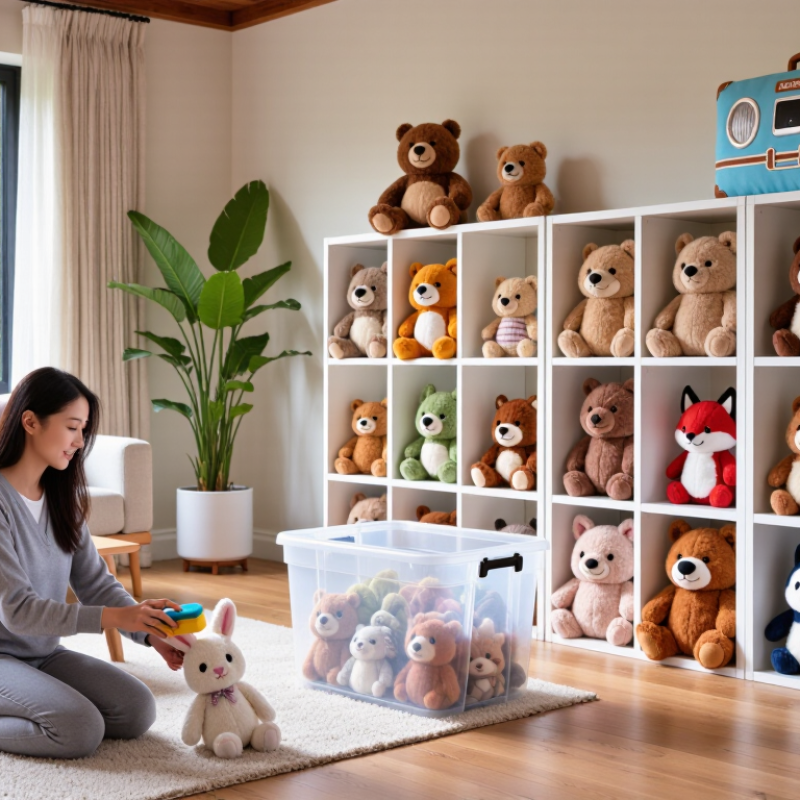
10 Best Tips on How to Start a Plush Toy Collection?

Define Your Collection’s Theme, Purpose, and Personal Limits

Before buying your first plush toy, define what your collection should mean to you.

A clear theme prevents random purchases from filling every shelf. You might choose forest animals, handmade textures, seasonal characters, or toys linked to childhood memories. Keep the theme flexible enough for discovery. Too much control can remove the fun.

Tip: Write one sentence describing your collection’s purpose. Mine might be, “I collect soft animal figures that make my reading corner feel calm.” This sentence becomes a useful filter when a tempting toy appears online or in a shop.

Ask about materials, stitching, size, and care instructions. Reliable sellers should provide clear product details. I once ignored measurements and bought a piece that overwhelmed my display cabinet. That mistake still shapes my choices.

Set personal limits before your collection grows.

Decide how much space, money, and maintenance you can manage each month. Measure one shelf, then leave some empty room for safe handling and visual balance.

A simple spreadsheet can record the toy’s name, purchase date, cost, condition, and cleaning needs. Keep receipts when possible.

Also consider your emotional limit. Collecting should feel comforting, not like an obligation to complete every variation.

My own rule is imperfect: I pause for seven days before buying an expensive or unusually large piece. Sometimes I still change my mind. That pause helps.

Research Plush Toy Types, Brands, Materials, and Rarity

Starting a plush toy collection becomes easier when research replaces impulse buying. I begin by comparing toy types, such as character plushies, animals, handmade figures, and miniature keychain designs. Each type has different display needs, prices, and cleaning risks. A large stuffed animal may need shelf space, while a tiny plush can disappear in a drawer. Study brand history, production dates, artist information, and official size charts before purchasing. Brand reputation matters, but popularity alone does not prove quality. Check stitching around the eyes, seams, tags, and filling. Loose threads and uneven embroidery can reveal weak construction. They happen.

Materials deserve equal attention. Cotton, polyester fibers, wool blends, and synthetic fur feel different and react differently to washing. Read care labels carefully, especially when a plush has glued details or delicate accessories. For sensitive collectors, low-shed fabric and washable surfaces may be practical choices. Rarity requires skepticism. A limited production claim is meaningful only when supported by release records, numbered tags, or reliable seller documentation. Compare several listings, photograph condition, and ask whether damage has been repaired. Sun fading, odors, missing tags, and compressed stuffing can lower value, even when a toy looks charming. I once overvalued a scarce-looking piece because I trusted a dramatic description. That mistake changed my method. Now I record purchase dates, prices, material details, and condition notes in a simple catalog. Research is imperfect, but careful records make future decisions more honest.

10 Best Tips on How to Start a Plush Toy Collection? — Research Plush Toy Types, Brands, Materials, and Rarity

# Plush Toy Type Typical Materials Common Size Range Rarity Indicators Condition to Check Collection Tip
1 Classic Animal Plush Polyester fiber fill, plush polyester fabric, embroidered or plastic details 15–45 cm Unusual colorways, discontinued designs, dated labels, limited production Check seams, stuffing firmness, stains, odors, loose eyes, and label condition Begin with one animal theme to create a focused collection.
2 Character Plush Synthetic textile outer fabric, polyester stuffing, printed or embroidered features 12–50 cm Early releases, event exclusives, regional editions, complete accessories Verify that clothing, tags, accessories, and facial details are complete Record the character name, release year, size, and original accessories.
3 Miniature Plush Polyester fabric, cotton or polyester fill, small plastic or embroidered details 5–15 cm Blind-box variants, rare color versions, complete series, low distribution Inspect tiny parts, paint wear, flattened filling, and storage dust Use compartment boxes to prevent small plush toys from being damaged or lost.
4 Large or Oversized Plush High-volume polyester fill, plush fabric, reinforced seams 50–150 cm or more Early versions, unusual dimensions, discontinued designs, excellent condition Look for sagging, seam stress, compression, moisture damage, and fading Measure storage space before buying and avoid direct sunlight.
5 Handmade or Artisan Plush Cotton, wool, linen, recycled textiles, wool or polyester stuffing 10–40 cm One-of-a-kind construction, signed documentation, small production batch Check stitching quality, fabric stability, repairs, and maker documentation Keep purchase records and photographs that document provenance.
6 Vintage Plush Cotton, rayon, wool, synthetic fibers, kapok, or polyester fill depending on age 15–60 cm Age, historical context, original label, scarce survival, documented ownership Watch for brittle fabric, insect damage, odor, discoloration, and unsafe repairs Research the estimated production period before attempting cleaning.
7 Bean-Filled Plush Polyester or cotton shell with plastic pellets or other weighted filling 10–30 cm Early versions, unusual fillings, discontinued patterns, intact labels Check for leaking pellets, weak seams, moisture, and uneven filling Store flat and keep away from pets and young children if small parts are exposed.
8 Sound or Interactive Plush Polyester fabric, fiber fill, electronic module, batteries, and plastic components 20–45 cm Working original mechanism, uncommon function, complete battery compartment Test safely, inspect battery corrosion, and confirm that wiring is enclosed Remove batteries during long-term storage to reduce corrosion risk.
9 Eco-Focused Plush Organic cotton, recycled polyester, natural fibers, or plant-based dyes 15–40 cm Verified material claims, transparent production records, limited handmade runs Review care instructions, dye stability, fiber composition, and certification details Save material labels and documentation rather than relying on marketing claims alone.
10 Limited-Edition Plush Usually polyester plush, synthetic or natural fill, sewn or numbered tags 15–50 cm Stated production quantity, numbered certificate, event release, short availability Confirm numbering, certificate match, original packaging, and authenticity evidence Compare multiple records and photos before paying a premium for rarity.
Collector’s Checklist: Define a theme, set a budget, research materials and production history, inspect condition carefully, document each purchase, and store plush toys in a cool, dry place away from direct sunlight.

Create a Budget and Choose Reliable Places to Buy

Create a Budget and Choose Reliable Places to Buy

A plush toy collection grows quickly when every soft face feels irresistible. Set a monthly budget before browsing, and keep a small amount for shipping, storage boxes, and cleaning supplies. I once ignored these extra costs and spent more than planned. My shelves filled faster than my savings.

Divide your budget into clear categories: everyday purchases, rare finds, and repairs. A simple note on your phone can record each price, purchase date, and condition. Leave room for mistakes. Some toys may look valuable online but have little demand later. Compare several listings, check recent sale prices, and avoid buying only because an item seems scarce.

Choose sellers with clear photographs, detailed descriptions, contact information, and visible return policies. Established toy stores, specialist collectors’ shops, and marketplaces with buyer protection are safer choices. Read customer feedback carefully, especially comments about packaging and accurate descriptions. Ask about odors, stains, loose stitching, and storage conditions before paying. Reliable sellers answer specific questions without pressure.

Inspect the toy when it arrives. Check seams, fabric texture, tags, and any safety information. Keep receipts and save listing photographs in case the item differs from its description. Local collectible fairs can be useful because you can examine softness, size, and wear directly. Still, excitement can weaken judgment. Take a short pause before buying, even when the toy feels perfect.

Inspect, Authenticate, and Record Each Plush Toy

A serious plush toy collection begins with careful inspection, not impulse buying. I examine stitching, fabric tension, seams, stuffing, eyes, and labels under bright natural light. Look closely. Loose threads can show age, poor storage, or later repairs. I also check for damp smells, fading, stains, and flattened filling. These details affect condition and value, but they can also reveal how the toy was handled.

Authentication requires patience and evidence. I compare construction details with reliable archival photographs, production references, and seller documentation. A matching label helps, but it is never conclusive by itself. I look for consistent materials, measurements, tag placement, and period-appropriate manufacturing methods. When something feels uncertain, I record it as unverified rather than making a confident guess. That choice protects both my budget and the collection’s credibility.

Every toy receives a simple record. I note the date acquired, purchase source, price, condition, measurements, identifying marks, and unanswered questions. Clear photos show the front, back, labels, seams, and any damage. I save them with consistent file names. My records are not perfect. I once forgot to photograph a small repair and later struggled to remember its location. Now I update notes immediately, while observations remain fresh. Digital backups and acid-free storage cards reduce confusion during future checks.

Organize, Clean, Store, and Expand Your Collection Carefully

Start a plush toy collection with a simple inventory, not an overflowing shelf. Record each toy’s name, size, material, purchase date, and condition. A spreadsheet works well. Circana reported that global toy sales reached about $108.7 billion across 12 countries in 2023, despite a seven percent decline from the previous year. This market scale explains the variety available, but it also encourages careless buying. Set a monthly limit. Leave space for future favorites.

Clean gently and inspect every toy before storage. Check seams, loose threads, stains, and damaged filling. Follow the care label, and test a hidden area before using any cleaner. For surface dust, use a soft brush or low-suction vacuum with a thin cloth barrier. Machine washing can distort delicate shapes. It has happened to me. Air-dry toys completely, preferably away from direct sunlight, because trapped moisture may cause odors or mold. The U.S. Consumer Product Safety Commission advises consumers to follow product-care instructions and inspect children’s products for damage.

Store plush toys upright in breathable fabric bins or open shelving. Avoid sealed plastic bags for long periods. Keep them away from damp floors, heaters, and strong sunlight. Use acid-free tissue around older or sentimental pieces, and avoid compressing embroidered details. The International Organization for Standardization identifies ISO 8124 as a key toy-safety standard, but collectors still need practical judgment. Photograph valuable pieces and review the inventory every six months. Some items may no longer fit your collection. That is worth admitting. Donate or exchange carefully, while keeping provenance notes for unusual or handmade toys.

10 Best Tips for Starting a Plush Toy Collection

A practical care schedule for organizing, cleaning, storing, and expanding a plush toy collection.

These intervals are practical collection-care guidelines: dust display pieces monthly, inspect seams and accessories every three months, wash washable toys about twice a year or when visibly soiled, and review storage conditions annually. Always follow the care label and use gentle cleaning methods for delicate materials.

FAQS

How can I choose a clear theme for my plush toy collection?

Choose forest animals, handmade textures, seasonal figures, or childhood memories. Keep the theme flexible. A strict theme can remove the fun. Write one sentence describing your collection’s purpose.

What should I consider before buying a plush toy?

Check the materials, stitching, size, and care instructions. Measure your shelf before purchasing. I once ignored measurements and bought an oversized toy. It dominated my cabinet.

How much space should I reserve?

Measure one shelf and leave empty room around each toy. Extra space helps with handling, cleaning, and visual balance. Crowded shelves look stressful. Your plan may still change.

How can I control spending?

Set a monthly budget before browsing. Include shipping, storage boxes, and cleaning supplies. Divide spending into everyday purchases, unusual finds, and repairs. Keep some money available for mistakes.

What records should I keep for my collection?

Use a phone note or simple spreadsheet. Record each toy’s name, purchase date, cost, condition, and cleaning needs. Keep receipts when possible. Small records prevent confusing purchases later.

How can I identify a reliable seller?

Look for clear photographs, detailed descriptions, contact information, and return policies. Read comments about packaging and accurate descriptions. Ask about odors, stains, loose stitching, and storage conditions. Avoid sellers who pressure you.

Should I trust an item described as rare?

Compare several listings and recent sale prices. Scarcity does not always mean strong demand. An expensive toy may later have little market interest. I have misjudged this before.

What should I do when a toy arrives?

Inspect the seams, fabric texture, tags, and safety information. Compare the toy with the saved listing photographs. Keep the packaging and receipt until everything seems correct. Check carefully.

How can I avoid impulse purchases?

Pause before buying an expensive or unusually large piece. A seven-day waiting rule can reveal changing feelings. The rule is imperfect. Sometimes I still change my mind.

How can collecting remain enjoyable?

Set limits for money, space, maintenance, and emotional energy. You do not need every variation. Collecting should feel comforting, not like an unfinished task. Leave room for discovery.

Conclusion

Starting a plush toy collection can be a fun and meaningful hobby when approached with a clear plan. Learning how to start a plush toy collection begins with choosing a theme, defining your purpose, and setting personal limits for space, time, and spending. Explore different plush toy types, materials, sizes, designs, and levels of rarity to discover what truly interests you. Creating a realistic budget and purchasing from reliable sellers can help you avoid unnecessary expenses and make thoughtful choices.

Before adding each item, inspect its condition, stitching, labels, cleanliness, and overall quality. Keep simple records with details such as the purchase date, price, source, and any unique features. As your collection grows, organize it by theme, size, color, or style. Clean and store each plush toy carefully to protect it from dust, moisture, sunlight, and damage. Expanding slowly and intentionally will keep the collection enjoyable, manageable, and personally valuable.

Sophia

Sophia

Sophia is a dedicated marketing professional with an exceptional depth of knowledge about her company's products and services. With a keen understanding of market trends and customer needs, she crafts insightful blog posts that not only inform but also engage readers, enriching the company’s online......