Buying a plush toy often feels simple: choose a soft face, bright color, and friendly shape. Yet small decisions can affect safety, comfort, durability, and value. Hands-on product checks often reveal recurring problems. Buyers may trust photographs too quickly. They may ignore loose threads, weak seams, harsh odors, or unclear care instructions. What appears fluffy on a screen can feel rough in a child’s hands. It can also flatten after one wash. A useful question is: what are common mistakes when buying plush toys? The answer begins with checking more than appearance.
A dependable buying process examines fabric composition, stitching, filling, size, weight, and age guidance. Press the seams gently. Look closely. Check whether the eyes are secure and the facial details are embroidered, especially for younger children. Reliable sellers should provide clear specifications, realistic photographs, manufacturer information, and practical cleaning directions. Reviews can help, but they are not proof. One easy-to-miss detail is color maintenance. Pale fabric may show fingerprints quickly, despite being described as “easy-care.” That oversight can change the ownership experience. Buyers should also consider allergies, storage space, and the toy’s intended use. A collectible plush may not suit daily play. A large toy may overwhelm a small bed. Careful comparison prevents avoidable disappointment, although no checklist catches everything. Even experienced shoppers sometimes focus on an adorable design and overlook long-term care. That is worth remembering.
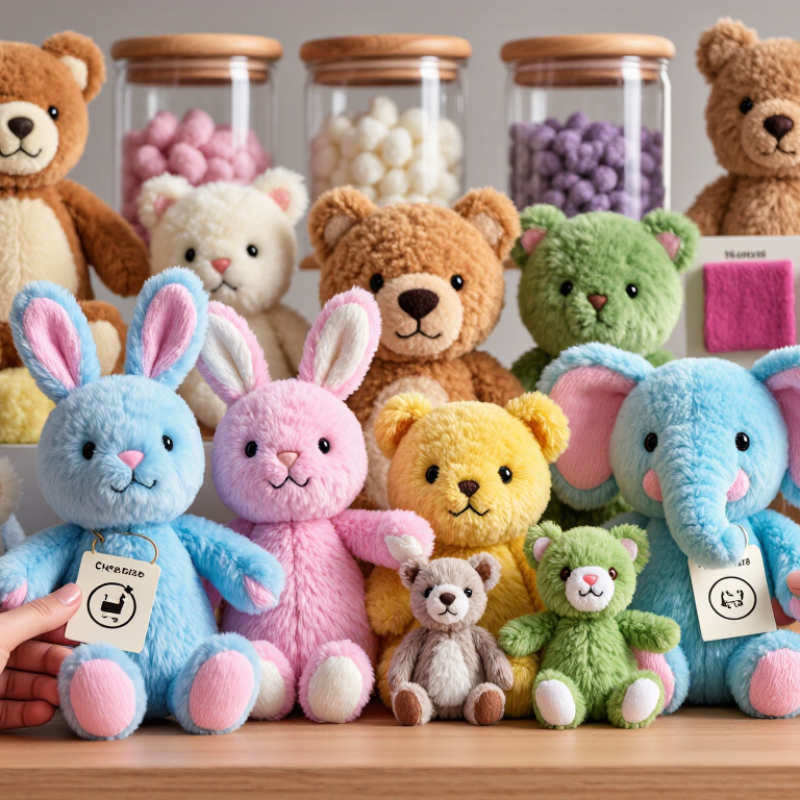
Before buying a plush toy, define its intended use and recipient clearly. A nursery decoration has different needs from a daily playmate. For an infant, avoid loose parts, long ribbons, and easily detached features. Check the recommended age, stitching, fabric, and filling carefully. Older children may prefer a larger toy for hugging, while a younger child may need something light and easy to hold. The toy’s size also matters in a small bed or crowded playroom. Too large can become awkward. I once chose a beautifully soft toy without checking its cleaning instructions. It looked perfect, but hand washing became inconvenient.
Think about the recipient’s habits, sensitivities, and living space. A child with allergies may need clearly stated material information and a washable surface. A child who dislikes strong textures may prefer short, smooth fabric instead of rough fur. For travel, choose a compact toy that fits inside a backpack and dries reasonably quickly. For emotional comfort, a familiar shape and gentle expression may be more valuable than elaborate details. Read care labels and product information from reliable sellers, then inspect the seams when the toy arrives. A small flaw can worsen after repeated use. I sometimes focus too much on appearance. That is worth reconsidering. A thoughtful purchase starts with the child’s real routine, not the toy’s photograph.
When buying plush toys, start with materials, not the printed face. In hands-on checks, I look for loose fibers, sharp odors, and stuffing that shifts under gentle pressure. Choose fabric with a clear fiber description and washing instructions. “Non-toxic” alone is not enough evidence. Ask whether the seller can provide material or laboratory test information. ASTM F963 and EN 71 are widely used toy-safety frameworks, but compliance claims should match the product and market. A soft toy can still hide hard plastic inside.
Construction deserves a slow inspection. Pull ears, eyes, ribbons, and seams lightly. Nothing should detach or open. Check embroidery closely; stitched features are generally preferable to small attached parts for very young children. The U.S. Consumer Product Safety Commission reported 145,500 toy-related emergency-department injuries among children under 14 in 2022, plus 11 reported deaths. That figure covers many toy types, not plush toys alone, yet it shows why age guidance matters. For children under three, avoid small detachable pieces and long cords. Read the age label, then consider the child’s actual habits. A careful toddler may still chew every corner. Wash the toy before use when instructions allow, and recheck seams after washing. I used to trust a perfect finish too quickly. That was a mistake. Safety checks need repetition, not confidence.
When buying a plush toy, compare its size with the child’s space and daily habits. A large toy may look impressive, but it can crowd a small bed or become difficult to wash. Measure the shelf, backpack, or sleeping area before ordering. Check the stated dimensions, not just the product photo. Photos often make toys appear larger than they are. In my experience, a medium toy is easier to carry and cuddle. However, that is not always true for older children.
Features deserve the same careful comparison. Look for secure eyes, even stitching, washable fabric, and filling that keeps its shape. A zipper can help with cleaning, but it may feel uncomfortable during sleep. Embroidery is often softer than hard attached parts. Check care instructions and age guidance from the seller. I once ignored a loose thread because the toy felt soft. That was careless. Small details can affect comfort and durability.
Quality should be judged by construction, not softness alone. Gently press seams and inspect corners, ears, and attachment points. Reliable sellers should provide clear materials, measurements, care guidance, and contact information. Price needs context. Compare similar sizes and features, then consider how often the toy will be used. A cheaper item may cost more if its stuffing flattens quickly. An expensive toy is not automatically better. Keep the receipt and review your choice after a few weeks; my own comparisons have sometimes favored the less attractive option.
| Toy Type | Approx. Size | Approx. Weight | Recommended Age | Key Features | Outer Material | Construction Quality | Care Requirements | Typical Price Range | Buying Check |
|---|---|---|---|---|---|---|---|---|---|
| Small Basic Animal Plush | 20–25 cm tall | 120–180 g | 3 years and up | Lightweight design, embroidered facial details, soft polyester filling | Short polyester plush | ★★★★☆ Secure seams and firmly attached parts |
Surface wash; air dry recommended | US$8–15 | Good value Check that eyes and nose are embroidered rather than glued |
| Medium Cuddling Bear | 35–45 cm tall | 350–550 g | 3 years and up | Longer arms, huggable body, reinforced paw stitching | Long polyester plush | ★★★★☆ Dense filling with moderate softness |
Machine wash on a gentle cycle if care label permits | US$18–32 | Balanced choice Press the body to check for uneven filling or hard internal pieces |
| Large Decorative Plush | 60–90 cm tall | 1.2–2.5 kg | 3 years and up | Oversized shape, decorative appeal, supportive inner filling | Polyester plush with fiber filling | ★★★☆☆ Large seams require careful inspection |
Spot clean only; difficult to dry completely | US$40–75 | Check storage space Measure the available area before buying |
| Musical or Sound Plush | 25–35 cm tall | 250–450 g | 3 years and up | Sound module, replaceable batteries, press-activated feature | Polyester plush with electronic compartment | ★★★☆☆ Quality depends on battery-cover security |
Surface clean only; keep electronics dry | US$20–40 | Inspect battery access Look for a screw-secured battery compartment and clear volume level |
| Weighted Comfort Plush | 30–40 cm long | 700–1,200 g | 3 years and up | Weighted insert, calming tactile surface, compact shape | Short plush with glass-bead or pellet insert | ★★★★☆ Requires double-stitched inner pouch |
Spot clean only; do not immerse unless specifically approved | US$25–45 | Check filling security Avoid loose pellets, exposed seams, or damaged inner compartments |
| Organic-Fabric Plush | 22–30 cm tall | 180–300 g | 3 years and up | Natural-fiber outer fabric, simple embroidered details, low-noise design | Organic cotton or cotton-blend fabric | ★★★★☆ Strong stitching with a slightly less fluffy texture |
Gentle wash; may shrink if exposed to high heat | US$22–38 | Good for sensitive users Check the fabric composition and washing instructions |
| Collectible Display Plush | 15–25 cm tall | 100–220 g | 12 years and up | Detailed embroidery, unusual shape, display-oriented design | Polyester plush with decorative accessories | ★★★★☆ Fine details may be delicate |
Dust with a soft brush; avoid frequent washing | US$20–60 | Not ideal for rough play Check accessory attachment and colorfastness |
Prices are typical retail ranges in the United States for comparable generic plush toys and may vary by size, materials, features, and seasonal promotions. Always review the care label, age recommendation, safety information, and stitching before purchase.
How to Avoid Common Mistakes When Buying Plush Toys?
A reliable seller should provide clear contact details, return conditions, and customer support. Check several recent reviews, not only the highest ratings. Look for comments about stitching, delivery packaging, and responses to complaints. A seller who avoids specific questions may be difficult to trust. I have learned that polished photos prove very little. Some details can look convincing online but feel disappointing in person.
Tips: Ask for close photos of seams, tags, and fabric texture. Compare the product description with the images. Check whether the seller explains the toy’s recommended age, materials, care instructions, and safety information. Labels should be firmly attached and easy to read. Missing details are worth questioning. However, a printed label alone does not prove authenticity. Product information should remain consistent across the listing, packaging, and seller’s answers.
Authentic products usually have traceable manufacturer details and accurate packaging. Be cautious when prices seem unusually low or descriptions contain copied wording. Confirm whether the item is new, handmade, or pre-owned. These categories can have different quality expectations. I sometimes overvalue attractive designs and forget practical checks, which is an easy mistake. Before paying, save the listing and seller’s replies. This creates a useful record if the delivered toy differs from its description.
Use this six-point verification checklist before purchasing. Each point represents one objective safety, labeling, seller, or authenticity check.
How to use it: Confirm the recommended age, read all warnings, check manufacturer or importer information, look for traceability details such as a batch or product identifier, review the seller’s history and return policy, and compare the item with official product information to reduce the risk of buying an unsafe or counterfeit toy.
When buying a plush toy, inspect its cleaning instructions before admiring its softness. A removable, machine-washable cover can make regular care much easier. Check whether the filling may clump after washing. Avoid toys with glued decorations if they need frequent cleaning. Small parts can loosen over time. I once assumed a “washable” label meant the entire toy was safe for a washing machine. That was a mistake. Some labels only recommend surface cleaning.
Read the return policy carefully before placing an order. Check the return period, packaging requirements, and any hygiene-related restrictions. A toy may need to remain unused and in original condition. Keep the receipt, order confirmation, and clear photographs of the product. They can support your request if stitching arrives loose or colors differ from the description. Do not rely only on a short product summary. Ask customer service about unclear cleaning instructions. Written answers are easier to review later.
Tips: Use a mesh laundry bag for suitable toys. Air-dry them completely. Damp stuffing can develop an unpleasant smell. A soft brush can remove dust between washes. Store plush toys away from direct sunlight, especially near warm windows. Rotate favorite toys instead of washing them constantly. Inspect seams, eyes, and ribbons every few weeks. I sometimes forget this check, but small damage becomes harder to repair when ignored.
Choose a lightweight toy without loose parts, long ribbons, or easily detached features. Check the recommended age, stitching, fabric, and filling. Inspect it regularly.
Measure the child’s bed, shelf, or backpack before buying. A very large toy may crowd the room. A medium size is often easier to carry and cuddle.
Look for clearly stated material information and a washable surface. Short, smooth fabric may feel better than rough fur. Consider the child’s habits carefully.
Inspect seams, corners, ears, eyes, and attachment points. Secure stitching matters more than softness alone. Press the seams gently. Small flaws can worsen.
Compare measurements, filling, fabric, care instructions, and age guidance. Embroidery may feel softer than hard attached parts. A zipper can help cleaning but disturb sleep.
Compare toys with similar sizes and features. Consider how often the toy will be used. A cheaper toy may flatten quickly. An expensive toy is not automatically better.
Read the care label before admiring the softness. Confirm whether the whole toy is washable or only surface-cleanable. Removable covers can simplify regular care. I once misunderstood this.
Check the return period, packaging rules, and hygiene restrictions. Keep the receipt, order confirmation, and product photographs. Ask questions in writing when instructions seem unclear.
Use a mesh laundry bag when suitable. Air-dry the toy completely. Damp filling can smell unpleasant. Brush away dust between washes. Check seams, eyes, and ribbons every few weeks. I sometimes forget. That deserves reconsideration.
Buying a plush toy is easier when you know what to evaluate before making a purchase. First, consider who will receive it and how it will be used, such as for comfort, decoration, play, or collecting. Then examine the materials, stitching, filling, seams, and small attached parts to ensure the toy is suitable for the recipient’s age. Size, softness, interactive features, overall quality, and price should also be compared carefully instead of choosing based only on appearance.
If you are wondering, “what are common mistakes when buying plush toys,” overlooking seller reliability, unclear labels, or questionable product authenticity are important concerns. It is also wise to check washing instructions, possible maintenance requirements, return conditions, and how well the toy may remain appealing over time. A thoughtful purchase balances safety, durability, practicality, and value, helping you select a plush toy that is enjoyable, easy to care for, and appropriate for its intended recipient.

STTY Toys