2026 Best Plush Toys How Can They Support Early Learning?

Time:2026-09-08 Author:Mason
0%

Choosing a plush toy in 2026 involves more than finding the softest animal on a shelf. The best options can become gentle learning partners during everyday play. Parents may ask, “how can plush toys support early learning?” The answer begins with interaction, not decoration. A child can name a bear, describe its color, or invent a bedtime story. These small moments build vocabulary, memory, and confidence.

Play creates useful repetition. A child might count three felt buttons, match animal sounds, or arrange toys by size. Through pretend feeding, children explore care, routines, emotions, and simple problem-solving. A washable plush toy with embroidered features may also support safer, longer use. Adults should check stitching, labels, loose parts, and age guidance before choosing one. Product quality matters.

So does adult involvement.

Research-informed early learning practices emphasize responsive conversation and play-based exploration. A caregiver can pause and ask, “What happens next?” or “How does the puppy feel?” Such questions encourage language and emotional awareness without turning play into a lesson. Teachers may use plush characters during storytelling, role-play, and transitions. These activities can help some children feel more secure in unfamiliar settings.

Still, plush toys are not magical teaching tools. They cannot replace books, real conversations, outdoor movement, or hands-on materials. Some children may ignore a carefully selected toy. That is normal. The strongest choice reflects the child’s interests, sensory preferences, culture, and stage of development. This guide examines the 2026 best plush toys through practical learning value, safety, durability, and meaningful play. The goal is useful guidance, not inflated promises.
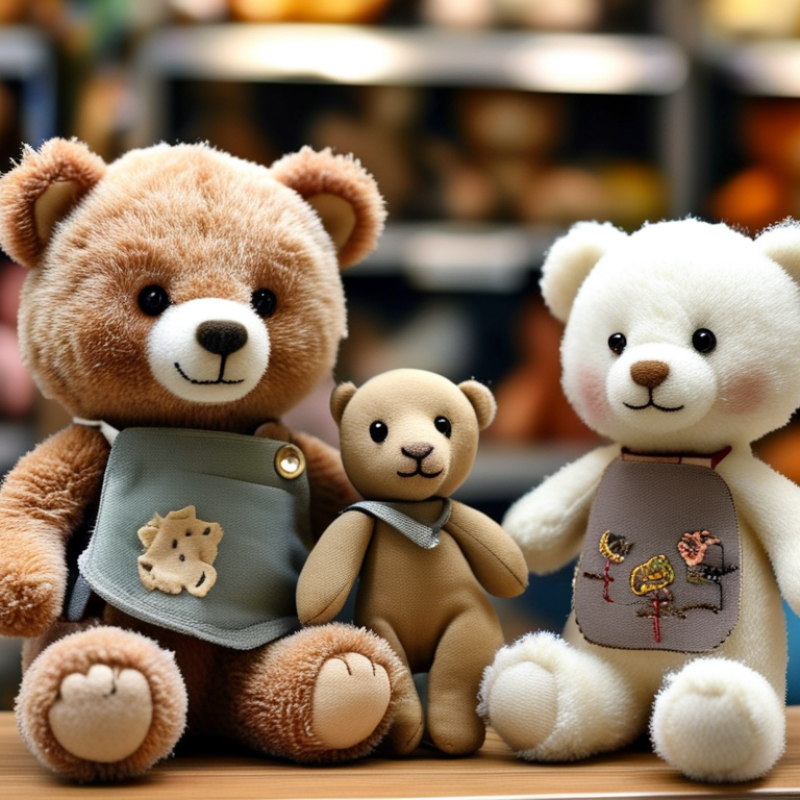
2026 Best Plush Toys How Can They Support Early Learning?

What Are Plush Toys and Why Do They Matter in Early Learning?

Plush toys are soft, stuffed play objects shaped like animals, people, or friendly characters. They usually contain fabric, filling, and stitched details. Their value is not limited to softness. A child may hug a plush rabbit after a difficult separation, then use it in a pretend bedtime story.

Early learning grows through responsive interaction. The Harvard Center on Developing Child reports that more than one million neural connections form every second during the early years. A plush toy can invite naming, turn-taking, storytelling, and emotional language. “The bear feels worried” gives a child a safe way to discuss fear. The 2018 American Academy of Pediatrics clinical report also links play with language, self-regulation, and social development. Yet the toy alone does little. An attentive adult makes the learning richer.

Evidence needs careful handling. The Lancet’s 2016 early childhood development series estimated that 250 million children under five in low- and middle-income countries risked not reaching their developmental potential. Plush toys cannot solve poverty, limited childcare, or weak learning environments. They may support small, repeated moments of connection. A caregiver can ask, “What should your puppy do next?” Then pause. Children need time to answer, not constant instruction. Some plush toys become passive comfort objects, and that is not failure. Comfort matters too, though its educational effect is difficult to measure. Safety still requires checking stitching, loose parts, washable materials, and age guidance.

How Plush Toys Support Language, Social, and Emotional Development

2026 Best Plush Toys: How Can They Support Early Learning?

Plush toys can become gentle conversation partners during early learning. A child may name a toy, describe its soft ears, or invent a short story. These moments build vocabulary, sentence structure, and listening skills. Educators can ask open questions, such as, “How does the bear feel?” or “What should happen next?” Children also practise social language by taking turns, sharing roles, and solving pretend problems together.

Small scenes matter.

Emotional learning can feel less demanding through play. A child may comfort a toy after a “fall” and explore words like worried, calm, or proud. This kind of role-play may help children recognise feelings, though it does not replace attentive adult support. In early-learning settings, adults can model empathy: “The rabbit looks lonely. Shall we invite it?” Keep it simple.

Tips:

Choose washable, age-appropriate plush toys without loose parts. Rotate a few toys instead of offering a crowded basket. Give children time to lead the story, even when their ideas seem unusual. Add feeling words naturally, rather than turning play into a lesson. Observe who speaks, who stays quiet, and who needs an invitation. I have found that some children talk more freely through a toy, but not every child enjoys pretend play. That difference deserves respect.

Which Learning Skills Can Children Practice Through Plush Toy Play?

Plush toys can turn ordinary play into a small learning laboratory. In classroom observations, I have seen children give a toy a name, voice, and problem to solve. This supports language growth because children practice new words and build short conversations. They also rehearse emotional skills. A child may comfort a frightened toy, explain a mistake, or ask for help. These actions make empathy visible and easier to discuss.

Pretend play can strengthen sequencing and memory. Children might feed the toy, pack its bag, and prepare it for bed. They learn that events often follow an order. Counting becomes more meaningful when they share three pretend cookies or sort toys by size. Handling soft toys also encourages gentle gripping, carrying, dressing, and buttoning. These movements support coordination. Still, play is not automatically educational. I sometimes plan too many questions, and the child loses interest. A quieter response may work better.

Tips: Choose toys with different textures, sizes, and expressions. Ask open questions, such as “What could happen next?” Pause before correcting the story. Let the child lead. Add simple picture cards for sequencing or emotion words. Keep activities brief and flexible. Check seams, loose parts, and cleaning instructions regularly. Use age-appropriate toys and supervise younger children. Even a favorite toy may not engage every child, so observe their cues and adjust the activity.

2026 Best Plush Toys How Can They Support Early Learning? - Which Learning Skills Can Children Practice Through Plush Toy Play?

Plush toy play can support learning when adults provide age-appropriate materials, model interaction, and allow children to lead the activity. It complements, rather than replaces, direct teaching and active play.
Learning Skill How Plush Toy Play Supports Practice Example Child-Led Activity Typical Developmental Focus Observable Learning Behaviors Helpful Adult Prompt
Language and Vocabulary Children can name the toy, describe actions, repeat words, and create simple conversations. Invite the child to describe what the plush toy is doing, eating, wearing, or feeling. Infancy to preschool Uses new words, combines words into phrases, answers simple questions, or tells part of a story. “What is your toy doing now?”
Imaginative Play Pretend scenarios allow children to represent real-life experiences and invent fictional situations. Set up a pretend home, clinic, classroom, shop, or travel scene with the plush toy. Toddlerhood to early childhood Assigns roles, uses objects symbolically, changes the storyline, and sustains pretend play. “What should happen next in the story?”
Social-Emotional Learning Children can explore feelings, caregiving, comfort, cooperation, and different points of view in a low-pressure setting. Ask the child to comfort a worried plush toy or act out sharing and taking turns. Toddlerhood to preschool Labels emotions, shows empathy, offers comfort, practices turn-taking, or identifies a solution to a social problem. “How might the toy be feeling, and what could help?”
Fine-Motor Coordination Handling, dressing, fastening, feeding, and arranging a plush toy can involve controlled hand and finger movements. Use large, age-appropriate accessories such as simple fabric clothing, blankets, or containers. Toddlerhood to early childhood Grasps and releases objects, coordinates both hands, manages simple movements, and improves control. “Can you show me how to wrap the toy safely?”
Gross-Motor Skills Movement games with a plush toy encourage reaching, carrying, balancing, bending, and whole-body coordination. Carry the toy along a safe indoor obstacle path or place it in different locations to encourage movement. Infancy to early childhood Walks, squats, reaches, throws or rolls safely, and adjusts body position during play. “Can you move carefully and bring the toy to the cushion?”
Early Mathematics Plush toys can make counting, comparison, sorting, sequencing, and positional language meaningful. Count toys, compare sizes, place the toy under or beside objects, and arrange a simple sequence. Preschool and early school years Counts objects, recognizes more and fewer, uses position words, sorts by features, or identifies simple patterns. “Which toy is bigger, and where should it go next?”
Memory and Sequencing Repeated routines and short stories help children remember events and place them in order. Act out a three-step routine such as wake up, eat, and go outside, then ask the child to repeat it. Toddlerhood to early school years Recalls details, follows multi-step directions, retells events, and predicts the next step. “What did the toy do first, and what happened after that?”
Problem-Solving Pretend challenges encourage children to plan, test ideas, make choices, and revise actions. Ask how the plush toy can cross a cushion bridge, reach a shelf, or prepare for a pretend trip. Preschool to early school years Suggests strategies, tests alternatives, explains choices, and persists after an unsuccessful attempt. “What could the toy try if that plan does not work?”
Self-Regulation Predictable plush-toy routines can give children opportunities to practice waiting, calming down, and following simple rules. Use the toy in a quiet-time routine involving slow breathing, listening, or taking turns. Toddlerhood to early school years Waits briefly, follows play rules, transitions between activities, and uses a practiced calming strategy. “Let us pause together and help the toy take a slow breath.”
Listening and Following Directions Children can practice understanding action words, positional words, and short sequences through playful instructions. Give one-step or two-step directions, such as placing the toy on a chair and covering it with a blanket. Toddlerhood to preschool Listens, completes requested actions, understands basic concepts, and asks for clarification when needed. “Can you put the toy beside the book, then bring me the blanket?”
Safety and Independence Care routines can help children discuss gentle handling, clean-up habits, personal boundaries, and safe choices. Practice storing the toy, checking for hazards, washing hands before pretend feeding, and using gentle touch. Toddlerhood to early childhood Follows simple safety rules, cleans up materials, handles toys gently, and seeks adult help when needed. “Is this safe for the toy, and what should we do before we begin?”

How to Choose Safe and Age-Appropriate Plush Toys for Learning

Choosing a plush toy for early learning begins with safety, not color or novelty. Soft is not enough. Check the recommended age on the label, because infants may mouth toys and explore by pulling. Avoid toys with detachable eyes, buttons, ribbons, beads, or long loose threads. Seams should feel firm, with no stuffing exposed. A washable surface matters after floor play, meals, and curious hands.

Age-appropriate design should match a child’s abilities and learning goals. For babies, choose lightweight toys with embroidered features, gentle textures, and easy-to-grip shapes. For toddlers, simple animal sounds, pockets, or contrasting textures can support language, sorting, and sensory exploration. For preschoolers, a plush character can invite storytelling, counting, role-play, and emotional vocabulary. Keep features clear rather than overloaded. Too many sounds may distract instead of teach.

A caregiver’s observation is more useful than a product promise. Watch the first play session. Can the child hold it safely, understand it, and use it without frustration? Inspect the toy regularly after washing or rough play. Replace it if stitching opens, filling clumps, or parts loosen. Caregivers often find that children learn more from a plain plush toy during shared conversation than from a highly interactive one. That deserves reflection. Supervision remains important, especially for babies and children who still mouth objects. Choose materials with clear care instructions, and do not assume “non-toxic” means suitable for every child’s sensitivity.

2026 Best Plush Toys: How Can They Support Early Learning?

How to choose safe and age-appropriate plush toys for learning

The chart uses a practical five-item selection checklist. “Safety priorities” include features such as securely sewn parts, no detachable small components, durable seams, washable materials, and appropriate adult supervision. “Learning priorities” include opportunities for sensory exploration, naming, turn-taking, emotional expression, storytelling, and imaginative play.

Checklist scores are planning values, not developmental test results. Always follow the toy’s age label, inspect it regularly, and avoid plush toys with loose or detachable parts for children under three.

How Parents and Educators Can Use Plush Toys in Daily Activities

Plush toys can turn ordinary routines into gentle learning moments. During breakfast, a child can “feed” the toy and name each food. An adult might ask, “What should Teddy try next?” This encourages vocabulary, turn-taking, and simple decision-making without a worksheet. At story time, children can act out weather, feelings, or a three-step sequence. The best choice has secure stitching, clear expressions, and a size children can carry. Keep it soft, washable, and suitable for the child’s age. Safety comes before creativity.

Tips: Use one toy for several purposes. Invite children to hold, dress, sort, and describe it. Place it beside a picture book, then ask the child to retell one scene. During cleanup, let the toy “help” count blocks into a basket. Educators can record new words or social behaviors after play. Parents can repeat the same routine at home. Short, repeated practice often feels more natural than a formal lesson.

Do not force pretend play. Some children prefer watching first, and that choice matters. Plush play is not a complete learning program. It may also distract children or encourage overly dependent play. Adults should observe, adjust questions, and leave room for real conversation. In practice, a toy may work wonderfully one day and fail the next. That small pause can reveal what the child actually understands.

FAQS

: How can plush toys support early language development?

: Children can name a toy, describe its soft ears, and invent short stories. Adults can ask, “What should happen next?” Keep questions open and simple.

Can plush toys help children practise social skills?

Yes. Children can take turns, share roles, and solve pretend problems together. One child may be the doctor. Another may comfort the toy.

How do plush toys support emotional learning?

A child might comfort a toy after a pretend fall. This can introduce words like worried, calm, and proud. It is helpful, but not enough alone.

Should adults lead plush-toy play?

Adults can model empathy without controlling the story. Try saying, “The rabbit looks lonely. Shall we invite it?” Let children lead sometimes. Their ideas may seem unusual.

What makes a plush toy safe for babies?

Choose lightweight toys with embroidered features and easy-to-grip shapes. Avoid loose eyes, buttons, ribbons, beads, and long threads. Supervision remains important.

How should plush toys match different ages?

Babies may benefit from gentle textures and simple shapes. Toddlers may explore pockets, sounds, or contrasting textures. Preschoolers can use toys for counting, storytelling, and role-play.

Why does washability matter?

Toys may touch floors, food, and curious hands. A washable surface supports cleaner daily play. Follow the care instructions carefully.

When should a plush toy be replaced?

Inspect it after washing or rough play. Replace it if stitching opens, filling clumps, or parts loosen. Soft does not always mean safe.

Do highly interactive plush toys teach better?

Not necessarily. A plain toy may encourage longer conversations and richer imagination. Too many sounds can distract children. I may be wrong for every child.

What should caregivers observe during play?

Notice who speaks, who stays quiet, and who needs an invitation. Some children talk more freely through a toy. Others dislike pretend play. That difference deserves respect.

Conclusion

Plush toys are soft, familiar play companions that can make early learning feel enjoyable and natural. But how can plush toys support early learning? Through imaginative play, children can practice new words, create simple stories, and develop listening and communication skills. Pretend play with a plush character also encourages children to explore emotions, understand different perspectives, and build social skills such as sharing, caring, cooperation, and turn-taking. At the same time, children can strengthen memory, creativity, problem-solving, and fine motor skills by dressing, arranging, sorting, or caring for their toys.

To support learning effectively, parents and educators should choose plush toys that are safe, washable, durable, and suitable for a child’s age, with secure features and no easily removable small parts. Plush toys can be included in daily activities such as storytelling, counting games, role-play, bedtime conversations, and lessons about feelings or routines. With thoughtful guidance, these simple toys can become valuable tools for language, emotional, social, and cognitive development.

Mason

Mason

Mason is a seasoned marketing professional with a deep expertise in the company's offerings and a passion for driving brand awareness. With a strong background in digital marketing strategies, he has an innate ability to connect with diverse audiences and effectively communicate product benefits.......